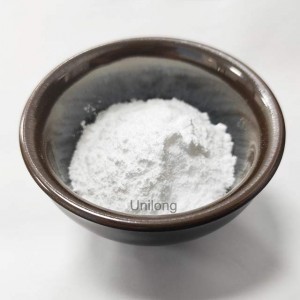
Unilong
14 Years Production Experience
Own 2 Chemicals Plants
Passed ISO 9001:2015 Quality System

Sulforhodamine B CAS 3520-42-1

Industrial Acid Dye / Export Supply

Acid Red 52 / Sulforhodamine B

CAS 3520-42-1 · C.I. 45100

Acid Red 52 (CAS 3520-42-1), also known as Sulforhodamine B or Acid Rhodamine B, is a water-soluble xanthene acid dye for industrial textile coloration, fabric printing, leather finishing and selected water-based colorant systems. It is valued for its bright pinkish-red to bluish-red shade in compatible processes. Unilong offers a sourcing and export enquiry route for industrial customers purchasing Acid Red 52 by required color strength, shade standard, packaging and order volume. For wool, silk, nylon or specialty coloration projects, tell us the intended material and commercial specification so we can discuss an appropriate bulk supply offer.

Color IndexC.I. Acid Red 52
FormWater-soluble acid dye
Key ApplicationsWool · Silk · Nylon · Leather
Bulk PackagingBag / Fiber Drum (industry formats)

Request a Quote


Product Detail

Download

Product Tags

Acid Red 52 Product Overview

Acid Red 52 is identified by Colour Index 45100 and is traded under names including Acid Rhodamine B and Sulforhodamine B. Unlike an insoluble pigment, this acid dye dissolves in water and develops its shade within a compatible dyeing or liquid-colorant system. This makes it relevant to aqueous dyeing and compatible liquid colorant systems. Its appeal is its vivid red-pink color rather than exceptional resistance to sunlight. For an industrial order, the decisive product characteristics are color strength, shade relative to the agreed standard, solubility, moisture and insoluble matter. These characteristics provide a practical basis for comparing commercial grades and planning repeat production.

Product Identity and Industrial Specifications

Product information Details
Commercial name Acid Red 52
Other names Sulforhodamine B; Acid Rhodamine B; Acid Rhodamine Red B
CAS number 3520-42-1
Colour Index C.I. Acid Red 52; C.I. 45100
Dye family Xanthene acid dye
Molecular formula C27H29N2NaO7S2
Molecular weight 580.65 g/mol
Common commercial appearance Dark red to brownish-red powder; grade dependent
Solubility Water-soluble
Color character Bright pinkish-red / bluish-red in suitable systems
Primary industrial uses Textile dyeing and printing; leather coloration; selected inks and liquid colorants
Common bulk packing formats 25 kg bags or fiber drums; final offer by grade

Industrial grades are commonly described by relative color strength against a trade reference. Published specifications also include moisture, insoluble matter and fineness limits. Stating the required shade, strength class and relevant quality limits gives bulk suppliers a clear commercial specification without confusing dye strength with chemical purity.

Acid Red 52 Industrial Applications


Wool Yarn and Wool Fabric Dyeing

Acid Red 52 is used in acid-dyeing systems to obtain bright red-pink shades on wool yarns and woven or knitted wool fabrics. The final tone is influenced by bath acidity, temperature, dye concentration and the auxiliaries used by the dye house. For repeat production, a consistent strength standard helps reproduce the approved shade across different dye lots. It is particularly relevant to wool products where vivid coloration takes priority over demanding long-term sunlight exposure.


Silk Dyeing and Direct Fabric Printing

Acid Red 52 is suitable for selected silk dyeing and direct-printing processes that call for a strong, clear pinkish-red color. Its water-soluble character supports preparation of compatible printing or dyeing liquors. Silk grade, processing conditions and finishing treatment affect shade depth, leveling and the finished fabric's fastness. This makes shade consistency and process-compatible dye strength important when buying for a recurring silk product line.


Nylon and Polyamide Fiber Dyeing

Acid Red 52 can provide bright coloration in suitable acid-dyeing processes for nylon and other compatible polyamide textiles. Shade development depends on polyamide type, dye-bath chemistry and the planned temperature profile. Production teams working with yarn, fabric or finished synthetic textiles can select the required trade strength around an established shade reference. The grade is best considered for color targets whose fastness requirements match its documented performance.


Wool and Polyamide Blend Coloration

Blended wool-polyamide fabrics are another documented application for Acid Red 52. Different fibers can absorb and display a dye differently, so the required appearance may depend on blend ratio and dyeing conditions. A repeatable dye strength is useful for manufacturers supplying the same fabric shade across seasonal orders. The production goal is balanced coloration of the intended blend, not merely a color match in a separate water solution.


Leather Dyeing and Finishing

Selected leather coloring processes use Acid Red 52 where a bright red or pinkish-red shade is required. Leather type, penetration behavior, finishing layers and other colorants influence the final appearance. For leather articles, the required shade must be considered together with rubbing, migration and lightfastness demands. This application is most appropriate where the chosen finishing system can deliver the specified performance.


Water-Based Inks and Specialty Colorants

Acid Red 52 also appears in industrial dye portfolios for selected ink and water-based colorant applications. Its value in these systems comes from dissolved red coloration rather than pigment-like opacity. Formulators working with printing fluids, marker-type products or other compatible aqueous formulations focus on dissolution, insoluble residue, filtration and color uniformity. These uses require a grade matched to the vehicle and end-product performance rather than a textile strength designation alone.


Industrial Liquid Product Coloration

The water-soluble red dye is also listed for coloration in certain industrial liquid products, including cleaning formulations. In these products, shade intensity and uniform distribution help produce a recognizable finished appearance at a controlled addition level. Other ingredients, solution conditions and storage stability influence color retention. This is a formulation-specific application, not a claim of suitability for every cleaner or regulated consumer product.


Technical Properties and Processing Considerations

For industrial use, Acid Red 52 is selected by its dye behavior in a real manufacturing system. The most useful technical considerations are straightforward:

  • Dyeing medium: Water-soluble acid dye used in compatible aqueous dye baths and soluble-colorant formulations.
  • Shade direction: Bright red-pink to bluish-red, with final color varying by fiber, concentration and processing conditions.
  • Bath conditions: Textile dyeing commonly uses acidic conditions; the exact temperature, auxiliaries and acidity belong to the production recipe.
  • Color matching: A consistent standard shade and relative strength are central to batch-to-batch reproduction.
  • Solubility and residue: Clean dissolution and controlled insoluble matter matter for even dye distribution and filtration-sensitive processes.
  • Fastness profile: Published industrial references show limited lightfastness in some dyeing systems, making end-use performance important.
  • Blended materials: Wool, silk and nylon do not always develop identical shade depths under the same processing conditions.

These properties are most useful when combined with a clearly defined color standard and the intended substrate. They also explain why industrial dye strength, color appearance and fastness information deserve more attention on a purchasing page than unrelated optical measurements.

Quality Control and Consistent Dye Supply

A practical Acid Red 52 quality specification focuses on the characteristics that affect production results:

  • Identity and shade: C.I. identity, powder appearance and color compared with the agreed reference.
  • Relative color strength: A trade-grade measurement used to maintain consistent tinting performance.
  • Moisture: Relevant to dry product handling, weighing and storage consistency.
  • Water-insoluble matter: Important for complete preparation of dye liquors and reducing unwanted residue.
  • Fineness: May be specified where powder dispersion and handling are important.
  • Textile fastness: Washing, water, perspiration and lightfastness as applicable to the fabric and finishing process.
  • Batch presentation: Consistent packing identification and product-grade information for repeat orders.

Published industrial specifications for this dye include control of moisture, insoluble matter and fineness, alongside color strength. For a textile business, those measurements connect directly to shade reproduction, bath preparation and material handling. For a soluble-colorant formulation, cleanliness of the color solution may be a greater priority than textile strength classification. Unilong can coordinate grade-specific commercial and quality information as part of an industrial supply enquiry.

Packaging, Storage and Bulk Orders

Common industry bulk formats: 25 kg/bag and 25 kg/fiber drum or carton. These formats are published by industrial Acid Red 52 suppliers and also appear in Unilong's existing product information; final packaging is specified with the commercial offer.

  • Order type: Industrial dye orders based on required grade, strength and purchasing volume.
  • Packaging: Bag or drum configurations appropriate for dry dye handling and the requested shipment.
  • Storage: Keep containers tightly closed in a dry storage area and protect from unnecessary moisture and light exposure.
  • Handling: Prevent dust release and follow the SDS supplied for the grade and shipment.
  • Shipping: Export packing and transport details can be coordinated for the order and destination market.

For regular textile production, a single agreed shade and commercial strength provide a clearer purchasing basis than comparing different supplier labels without their corresponding standards. Bulk discussions can include order frequency, destination and the packaging format used at the customer's facility.

Why Source Acid Red 52 from Unilong?

Unilong has worked in fine chemicals since 2008, combining chemical sourcing, quality-management resources and international supply coordination. We support industrial purchasing projects that need a clear product identity, consistent commercial specifications and practical arrangements for bulk delivery. For Acid Red 52 enquiries, we focus on the specified application, target shade or color strength, packing format and order volume rather than offering one generic grade for every process.

Our wider sourcing network and export team help coordinate chemical purchasing and shipment requirements for the markets we serve. You can learn more about the business on our About Us page.

Acid Red 52 Frequently Asked Questions

Does “400% strength” mean 400% purity?

No. A strength percentage such as 400% is a supplier's relative coloring-strength designation against a defined standard, not chemical purity. Industrial orders should specify the reference shade and trade-strength basis used for comparison. The value cannot be treated as an interchangeable assay or HPLC purity figure.

Is Acid Red 52 suitable for outdoor textiles?

Acid Red 52 is chosen primarily for its vivid shade. Published industrial fastness tables indicate limited lightfastness for certain grades and textile processes, so it is generally not the first choice for goods requiring high resistance to prolonged sunlight. More durable applications may call for another dye system.

Can Acid Red 52 be used in both dyeing and direct printing?

Yes. Industrial suppliers document wool, silk and polyamide dyeing as well as direct printing on suitable fabrics. Dyeing and printing use different color preparation, application and finishing conditions, so commercial strength and shade should correspond to the process used for the final product.

Can Acid Red 52 replace a red pigment in an ink?

Not automatically. Acid Red 52 is a soluble dye, while pigment-based inks contain dispersed insoluble color particles. Their opacity, migration, filtration and durability characteristics can differ significantly. It is a candidate for compatible dye-based colorant systems, not a direct substitution for every pigment formulation.

What details are useful for a bulk Acid Red 52 quotation?

Send the required CAS or Colour Index identity, intended industrial use, color strength or shade standard, approximate order quantity, packaging preference and destination. For textile programs, naming the target fiber and dyeing or printing method helps establish the relevant commercial grade and supply requirements.

Request Acid Red 52 for Industrial Supply

Unilong welcomes industrial enquiries for Acid Red 52 / Sulforhodamine B (CAS 3520-42-1). Share your application, required dye strength or shade standard, order volume and preferred packing format. We can discuss the appropriate commercial offering and shipping arrangements for your project. Contact Unilong for product and quotation details.

Request a Quotation


  • Previous:
  • Next:

  • Write your message here and send it to us