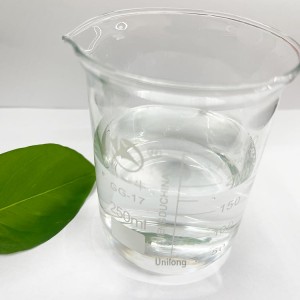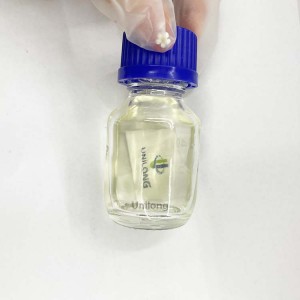

Potassium Cetyl Phosphate Supplier | CAS 17026-85-6


Potassium Cetyl Phosphate Overview
Potassium Cetyl Phosphate is used as an emulsifying ingredient in oil-in-water cosmetic systems, where water forms the continuous phase and an oil phase must remain evenly distributed. For formulation teams, the ingredient is relevant when developing creams, lotions, sun-care emulsions or certain color cosmetic bases. It may be evaluated in different emulsifier combinations, including primary-emulsifier and co-emulsifier approaches, depending on the particular grade and formulation. The performance of a finished emulsion is not determined by the INCI name alone: oil composition, other emulsifiers, stabilizers, manufacturing conditions and the target product texture all matter. Buyers should therefore assess both the material specification and the results of formulation trials before selecting a commercial supply source.
Potassium Cetyl Phosphate Specifications
The information below identifies the raw material and its established cosmetic function. For purchasing approval, a specification should also distinguish the actual supplied grade, physical form and agreed quality criteria. These details must be established for the material being quoted rather than copied from a different supplier's product. If you have an existing formulation or an approved reference grade, include its required parameters in your enquiry so the proposed supply can be reviewed against the correct acceptance criteria.
| Specification Item | Information |
|---|---|
| Product Name | Potassium Cetyl Phosphate |
| INCI Name | Potassium Cetyl Phosphate |
| CAS | 17026-85-6 |
| Primary Function | Anionic oil-in-water emulsifier |
| Intended Application Field | Cosmetic and personal care formulation development |
O/W Emulsification and Formulation Benefits
Anionic Oil-in-Water Emulsification
In an O/W emulsion, the emulsifier system helps form and maintain oil droplets dispersed in a continuous water phase. Potassium Cetyl Phosphate contributes an anionic emulsifying function at the oil–water interface. Formulators may investigate it as part of the main emulsifier system or as a supporting co-emulsifier, depending on what is required to achieve the desired emulsion structure. Selection should start with the oil phase, the target viscosity and the rest of the emulsifier and thickener package. A material that performs well in one base should not automatically be treated as a direct replacement in another, even when the ingredient lists use the same INCI name.
Emulsion Stability and Texture Development
Creams and lotions must retain an acceptable appearance and texture through manufacturing, filling and storage. Emulsion stability can change with oil loading, the polarity of emollients, added salts, pH, processing conditions and interactions with thickening agents. Potassium Cetyl Phosphate is one option that formulators can evaluate when developing an O/W structure, but no single emulsifier guarantees the stability of a finished cosmetic product. A practical evaluation compares fresh-batch appearance, droplet or phase behavior, viscosity and changes after relevant storage tests. Sensory goals also matter: a fluid facial lotion and a rich cream may need different supporting ingredients even when they use the same named emulsifier.
Potassium Cetyl Phosphate Applications in Cosmetics
Sunscreen and Sun Care Formulations
Sun-care products can be challenging O/W emulsions because the oil phase may contain several organic UV filters, emollients and film-forming ingredients. These components can affect the emulsifier balance and the final product's viscosity and stability. Potassium Cetyl Phosphate is used in sun-care emulsifier development and can be considered when selecting a system for sunscreen creams or lotions. Its purpose in these products is emulsification: it is not itself a UV filter, and its use does not establish any specific SPF or water-resistance result. When evaluating a sample, formulation teams should consider the intended UV-filter combination, oil-phase loading, pH, thickener system and compatibility with other components. Stability testing of the completed formulation is essential before a production decision. Buyers requesting a sun-care grade should identify the type of sunscreen base and any specification limits needed by their formulation team.
Facial Creams, Moisturizers and Body Lotions
Facial creams, moisturizers and body lotions share the need for a consistent oil-in-water structure, yet their texture and processing requirements can vary significantly. A light lotion may need a pourable, low-viscosity base, whereas a richer cream is designed to hold its structure during filling and use. Potassium Cetyl Phosphate can be evaluated within an emulsifier system for these skincare applications. Formulators should consider the choice of emollients, oil-phase proportion, fatty alcohols, polymers and other supporting emulsifiers when assessing the resulting texture. Storage performance and appearance should be checked in the actual formula instead of inferred from the raw material's general function. For OEM/ODM teams considering a change of emulsifier supplier, a controlled side-by-side trial against the current approved base is a more useful starting point than comparing ingredient names alone.
Foundation and Color Cosmetic Emulsions
Foundation and tinted skincare products may combine an oil-in-water emulsion with pigments, dispersants, film-forming agents and viscosity modifiers. In such systems, emulsion stability and pigment dispersion must both be considered. Potassium Cetyl Phosphate is a possible emulsifier-system ingredient for selected foundation and color cosmetic applications; suitability depends on the actual pigment system and the other ingredients present. During development, formulators can compare color uniformity, phase separation, viscosity and changes in appearance following storage. Pigment surface treatment, oil polarity and the processing sequence can influence the outcome, so an existing recipe should not be switched to a new emulsifier without testing. When discussing a raw-material enquiry, it is useful to specify whether the target product is an ordinary O/W foundation, a tinted cream or another emulsion format requiring particular handling properties.
Formulation Guidelines for Potassium Cetyl Phosphate
Primary Emulsifier or Co-Emulsifier?
Potassium Cetyl Phosphate may be assessed as a primary emulsifier or as a co-emulsifier in a broader system. Neither role is determined by a universal dosage or a simple rule about oil-phase size. The decision depends on the purchased grade, the supporting surfactants or fatty alcohols, the oil phase and the required sensory and stability profile. Begin with the technical requirements of the finished formulation, then compare trial batches built around different emulsifier combinations. Published recommendations for another manufacturer's proprietary grade should not be treated as a fixed starting level for all Potassium Cetyl Phosphate materials.
Processing and Ingredient Compatibility
The processing route can affect the structure of an emulsion as much as the ingredient selection. When screening Potassium Cetyl Phosphate, check its behavior with the chosen oil phase, other surfactants, thickeners, electrolytes and any UV filters or pigments. Record the heating, addition, mixing and cooling sequence in laboratory trials so that formulation changes can be compared fairly. Any processing temperature, dispersion procedure or usage rate should be selected on the basis of the actual grade and validated in the intended formula. Avoid assuming that another supplier's procedure applies unchanged to a newly sourced material.
Testing Before Production Scale-Up
A useful comparison includes a reference batch alongside the trial formulation. Look for changes in appearance, viscosity, phase separation and performance after the storage conditions relevant to the finished product. If pigments or UV filters are involved, review their dispersion and the stability of the complete system. Once the laboratory result is acceptable, confirm that the process remains suitable during a pilot run. This approach helps procurement and R&D teams make the same decision on a shared technical basis rather than choosing a material from its INCI name or purchase price alone.
Packaging, Storage and Bulk Supply
For a commercial purchase, the packaging arrangement, order quantity, delivery terms and handling requirements should be matched to the exact product grade being supplied. These details are not interchangeable across suppliers or physical forms. When requesting a quotation, state your intended annual consumption, approximate quantity per order, destination and any packing restrictions at your facility. For a sample-stage project, indicate the amount needed for formulation trials and whether a later pilot or production order is planned. Buyers should also confirm the labeling, storage and transport instructions that apply to the offered material before accepting a shipment. Clear volume and destination information helps make a quotation relevant to an actual purchasing plan, rather than a generic list price.
Quality Review and Sample Evaluation
Raw-material qualification should connect the product identity to the buyer's own acceptance criteria. Before purchase, define any required appearance, assay, or other specification limits and identify the documentation your internal review process needs. If a batch COA, SDS, TDS or other record is necessary, include that requirement in the enquiry and confirm its availability for the material being offered. Formulation samples should be evaluated in the intended application under repeatable test conditions. A satisfactory bench result can then support a more informed discussion about order quantities and commercial supply.
Potassium Cetyl Phosphate FAQ
What Should Buyers Check When Comparing Potassium Cetyl Phosphate Suppliers?
Start with the INCI and CAS identification, then compare the actual product grade, physical form, agreed specification limits and intended application. Two offers using the same ingredient name may not have identical product characteristics. Confirm your documentation requirements and the commercial terms for the specific material under consideration.
Can Potassium Cetyl Phosphate Be Used in Sunscreen Formulations?
It is an established O/W emulsifier option in sun-care formulation development. However, performance depends on the UV-filter system, oil phase and other ingredients. It does not act as a UV filter itself. Formulators should test finished-product stability and determine SPF and other sunscreen claims through appropriate finished-product testing.
Does the Same INCI Name Guarantee Equivalent Emulsifier Performance?
No. The same INCI name identifies an ingredient type, but not necessarily the same commercial grade, physical properties or behavior in every emulsion. When changing suppliers, compare product-specific specifications and conduct side-by-side formulation trials before approving a direct substitution in production.
What Should Formulators Check for Ingredient Compatibility?
Review the oil phase, other emulsifiers, thickeners, pH, dissolved salts and any pigments or UV filters. Use consistent processing conditions and examine the completed emulsion rather than judging compatibility from an ingredient list. Stability and sensory results should be evaluated against the requirements of the finished product.
What Information Should I Include in a Sample or Bulk Enquiry?
Provide the target application, required product specifications, expected order quantity, delivery destination and any mandatory documentation. If the request is for formulation evaluation, include the trial scale and planned application. Packaging options, document availability and supply arrangements can then be discussed for the specific material offered.
Related category: Emulsifier & Other
Request Potassium Cetyl Phosphate for Your Formulation
If you are sourcing Potassium Cetyl Phosphate for sunscreen, skincare or color cosmetic formulation work, tell Unilong what you need to evaluate. Share your application, target specifications, anticipated purchasing volume and destination. A clear enquiry helps align the proposed material and commercial discussion with your R&D and purchasing requirements.