
Glyceryl Glucoside Supplier | CAS 22160-26-5


Glyceryl Glucoside Product Overview
Glyceryl Glucoside (Glucosylglycerol), CAS 22160-26-5, is a water-soluble cosmetic ingredient used for its humectant and skin-conditioning functions. It is relevant to hydrating serums, essences, creams, lotions, toners and gel formulations.
For commercial sourcing, product concentration, ingredient composition and grade-specific specifications are important selection factors. Cosmetic formulators, ingredient distributors and OEM/ODM manufacturers can contact Unilong to discuss the material required for their formulation and purchasing projects.
Glyceryl Glucoside Specifications
| Parameter | Details |
|---|---|
| Product Name | Glyceryl Glucoside |
| Alternative Name | Glucosylglycerol |
| CAS Number | 22160-26-5 |
| INCI Name | Glyceryl Glucoside |
| Molecular Formula | C9H18O8 |
| Molecular Weight | 254.23 g/mol |
| Cosmetic Functions | Humectant; Skin Conditioning |
| Solubility | Water-soluble |
| Typical Applications | Serums, essences, toners, creams, lotions and gels |
Choosing Glyceryl Glucoside Grades and Concentrations
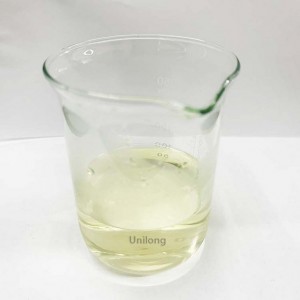
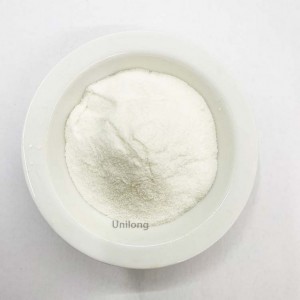
Commercial glyceryl glucoside ingredients may differ in active content, supplied form and composition. Liquid concentrates and higher-purity materials should be compared on the same specification basis. Where relevant, distinguish total glyceryl glucoside content from individual isomer levels, including 2-αGG and 1-αGG.
For a purchasing inquiry, identify the grade or active concentration required by your formulation. This helps the supplier match the request to an appropriate specification and quotation.
Glyceryl Glucoside Applications in Skincare
Hydrating Serums and Essences
Glyceryl glucoside is used in facial serums, hydrating essences and other leave-on products developed for daily skin hydration. As a water-soluble humectant, it can be considered alongside other moisturizing ingredients in aqueous formulations.
Moisturizing Creams and Lotions
Glyceryl glucoside can be incorporated into the aqueous phase of facial creams, moisturizing lotions and body lotions. It provides a humectant option for emulsion systems that combine water-binding ingredients with emollients and emulsifiers.
Toners and Lightweight Gel Formulations
Hydrating toners, facial mists and water-based gels are additional formulation applications. Its water solubility makes it relevant to aqueous products where clarity, texture and finished-product stability are important development considerations.
After-Sun and Body Care Products
Glyceryl glucoside can be considered for moisturizing after-sun products and body care formulations designed for dry-feeling skin. Its humectant and conditioning functions fit hydration-oriented leave-on skincare development.
Glyceryl Glucoside Benefits for Skin Formulations
Humectant and Skin Conditioning Functions
Glyceryl glucoside is recognized as a cosmetic humectant and skin-conditioning ingredient. It is used in products developed to support moisture retention and maintain skin in good condition.
Application Across Different Skincare Formats
Its water solubility makes glyceryl glucoside relevant to both aqueous and emulsion-based products. This enables formulators to consider the ingredient for different skincare textures, from lightweight serums to moisturizing lotions and creams.
Glyceryl Glucoside and Aquaporin-3 (AQP3) Research
Aquaporin-3 (AQP3) is involved in the transport of water and glycerol in the skin. Published research has investigated glyceryl glucoside in relation to AQP3 expression, skin hydration and barrier function. These findings provide scientific background for formulation research; they should not be interpreted as product-specific testing of the material supplied by Unilong.
Read the published glyceryl glucoside research on PubMed.
Formulation and Usage Considerations
Water-Phase Incorporation
Glyceryl glucoside is water-soluble and can be considered for the aqueous phase of skincare formulations. Processing conditions depend on the selected commercial grade and the complete formulation.
Use Level and Active Content
The appropriate addition level depends on the active content of the supplied ingredient and the formulation objective. Liquid concentrates and higher-purity grades should not be used interchangeably without accounting for their composition.
Compatibility and Stability
During formulation development, assess compatibility with the selected thickeners, preservatives, emulsifiers and other humectants. Check the finished product's appearance, viscosity, pH and stability before scale-up.
Quality and Technical Documentation
Clear ingredient identification and relevant technical information support cosmetic raw-material purchasing decisions. Documents commonly requested during supplier evaluation include:
- Certificate of Analysis (COA): Batch-specific analytical results and quality parameters.
- Technical Data Sheet (TDS): Product characteristics and available formulation guidance.
- Safety Data Sheet (SDS): Relevant safety, handling and storage information.
- Product Specifications: Active content, composition and applicable quality limits for the selected grade.
Include the required grade and documentation in your inquiry so the relevant product information can be confirmed.
Packaging, Storage and Bulk Orders
Packaging format, minimum order quantity and lead time depend on the selected grade, order volume and delivery destination. Contact Unilong with your requirements to confirm current supply options and quotation details.
- Required grade or active concentration
- Estimated order quantity
- Destination country or port
- Intended cosmetic application
- Any packaging, sample or documentation requirements
For storage and handling, follow the instructions in the applicable product SDS and technical documentation.
Glyceryl Glucoside FAQ
Is Glyceryl Glucoside the same as Glucosylglycerol?
Glucosylglycerol is commonly used as an alternative name for glyceryl glucoside. When sourcing the ingredient, confirm CAS 22160-26-5, the selected commercial grade and the relevant specifications.
Is Glyceryl Glucoside soluble in water?
Yes. Glyceryl glucoside is water-soluble and is used in aqueous skincare formulations, including serums, toners and hydrating gels.
How does Glyceryl Glucoside differ from Glycerin?
Glyceryl glucoside is a glycoside of glucose and glycerol, whereas glycerin is a polyol. Both can play humectant roles in cosmetic formulations, but they are different ingredients with distinct chemical structures.
Can Glyceryl Glucoside be used with other humectants?
It can be evaluated in formulations containing other humectants, including glycerin and hyaluronic acid. Compatibility depends on the complete formulation.
What should buyers compare when sourcing Glyceryl Glucoside?
Compare active concentration, supplied form, ingredient composition, relevant isomer specifications and available quality documents. Use the same specification basis when comparing commercial offers.
How can I request a bulk quotation?
Provide the required grade or concentration, estimated purchasing quantity, destination country and intended application. Include any packaging, sample or documentation requirements in your inquiry.
Request Glyceryl Glucoside Pricing and Product Information
Looking for Glyceryl Glucoside (Glucosylglycerol), CAS 22160-26-5, for cosmetic formulation or manufacturing? Share your required grade, order quantity, destination and intended application to discuss product information and quotation options.
Contact Unilong for a Glyceryl Glucoside inquiry, or use the inquiry form provided on this product page.