

Ⅰ. Basic Information
Didecyl Dimethyl Ammonium Chloride, referred to as DDAC, with the CAS number 7173-51-5, is a high-performance third-generation double-chain quaternary ammonium cationic surfactant and a core fine chemical raw material widely used in disinfection, anti-corrosion and water treatment industries.
Differing from traditional single-chain quaternary ammonium products, DDAC has a more stable molecular structure, mild physical and chemical properties and excellent comprehensive application performance, occupying an important position in the green chemical raw material market. In mainstream market transactions and industrial production, the conventional specification of DDAC is 80% content aqueous solution. This standard DDAC features high active ingredient concentration, stable chemical properties and convenient application, which can directly adapt to most industrial disinfection, water treatment and anti-corrosion scenarios, and is the most versatile mainstream specification of DDAC. To meet the differentiated and refined usage needs of various industries, DDAC supports customized production of 50% content specifications.
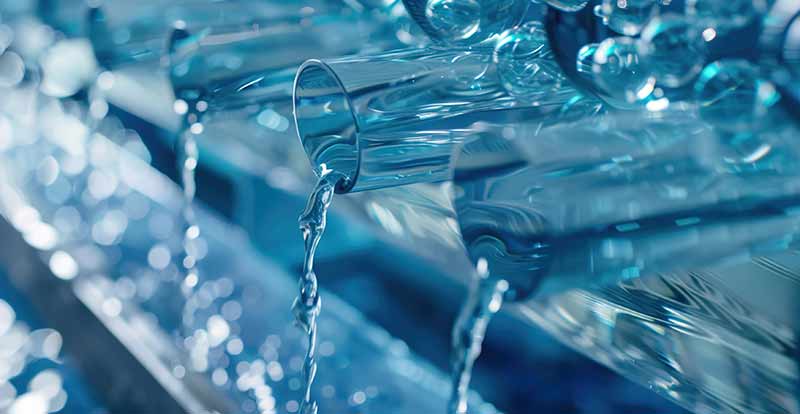
The 50% content DDAC has better water solubility and dilution performance, which is suitable for light-duty disinfection, civil environmental protection and low-concentration continuous use scenarios, effectively avoiding raw material waste and performance attenuation caused by excessive concentration. At room temperature, DDAC appears as colorless to pale yellow transparent liquid with no pungent odor, excellent water solubility and long storage life. DDAC is non-volatile and non-decomposable under conventional storage conditions, with high safety and stability.
In addition, DDAC contains no heavy metals and has no residual toxicity after use. Its environmentally friendly and low-carbon characteristics fully comply with the global green production and clean environmental protection development concepts, laying a solid foundation for the large-scale and standardized application of DDAC in various fields.
Ⅱ. Core Functions
DDAC integrates multiple core functions such as broad-spectrum sterilization, long-term bacteriostasis, biofilm removal, mildew prevention and surface modification, and its multi-dimensional performance advantages make DDAC a multifunctional functional raw material that cannot be replaced in industrial and civil fields.
First of all, DDAC has outstanding broad-spectrum disinfection and sterilization capabilities. It can efficiently kill and inhibit gram-positive bacteria, gram-negative bacteria, fungi, algae and various enveloped viruses. The unique double-chain molecular structure of DDAC can quickly adsorb on the surface of microbial cell membranes, destroy cell membrane structure, block microbial metabolism and reproduction, and its sterilization efficiency is significantly higher than that of traditional single-chain quaternary ammonium products.
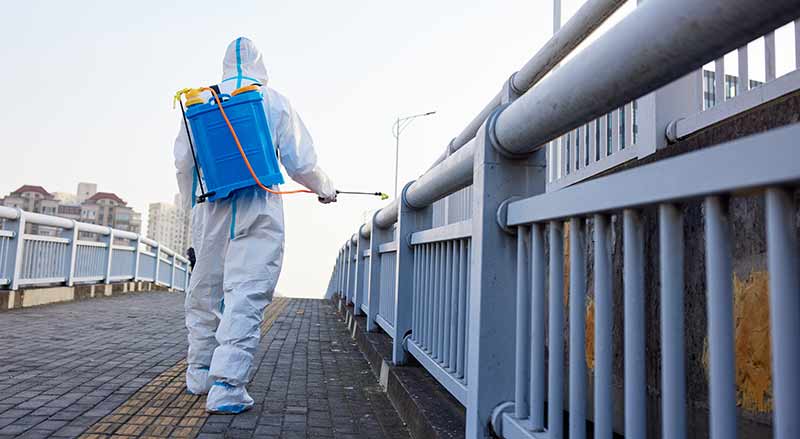
In industrial water treatment scenarios, DDAC can effectively eliminate legionella, sulfate-reducing bacteria and other harmful microorganisms in circulating water and cooling tower systems. The compound system containing 20ppm DDAC can achieve a sterilization rate of more than 99.99% and maintain a 48-hour continuous bacteriostatic effect. Meanwhile, 50ppm DDAC can efficiently peel off the biofilm on the inner wall of industrial pipelines, reducing the biofilm thickness by 92% and solving the common industrial problems of microbial proliferation and pipeline sludge blockage.
Secondly, DDAC has excellent anti-corrosion and mildew-proof properties. It can replace traditional high-pollution arsenic-containing and chromium-containing anti-corrosion agents. DDAC can be widely used for anti-corrosion treatment of wood, coatings and pulp, effectively inhibiting the erosion of mold and decay bacteria and extending the service life of materials, meeting international environmental protection standards such as EU EN 350.

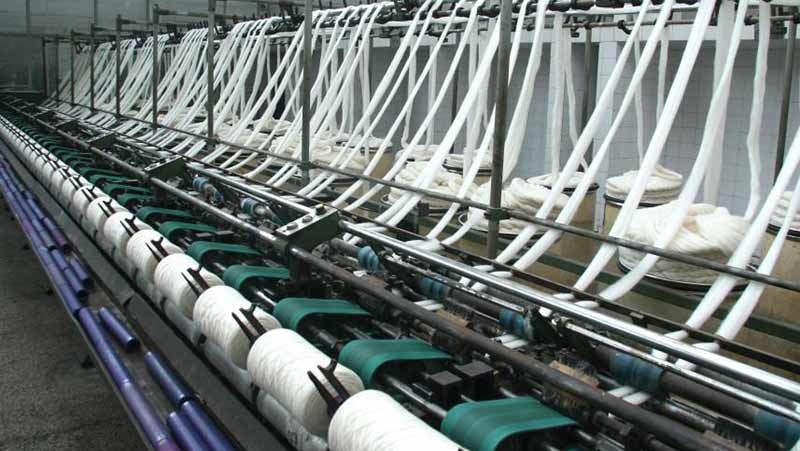
In addition, DDAC has good surface activity, softness and antistatic properties. DDAC can be adsorbed on the surface of fibers and resin materials to reduce friction coefficient and static accumulation, and is widely used as softener and antistatic agent in light textile industry.
Moreover, DDAC has strong compatibility, which can be compounded with a variety of non-ionic and cationic auxiliaries to synergistically improve disinfection and anti-corrosion effects. The compound system of DDAC has stable performance without delamination and failure, further expanding the functional application scope of DDAC.
Ⅲ. Application Prospects
With the continuous upgrading of global environmental protection standards, the improvement of public health systems and the refinement of industrial production, the market demand for high-performance, low-toxic and environmentally friendly disinfection and anti-corrosion raw materials is growing steadily. As a typical green and efficient quaternary ammonium product, DDAC has extremely broad market application prospects.
In the field of industrial water treatment, DDAC serves as a core bactericidal and algaecide agent for circulating water, reverse osmosis water treatment and oilfield reinjection water systems. DDAC can purify water quality, inhibit microbial growth, protect industrial pipeline equipment, reduce equipment corrosion and operation and maintenance costs, and this field has become the main application market of DDAC.
In the field of public health disinfection, DDAC is suitable for daily disinfection of cold chain environments, central air conditioning systems, public transport vehicles, medical devices and food processing workshops. DDAC has excellent low-temperature adaptability, and its disinfection performance remains stable in low-temperature atomized disinfection scenarios, fully meeting the needs of normalized public health protection.
In the fields of agriculture, forestry and building materials, DDAC can be used for pre-treatment of crop seeds to inhibit soil-borne fungal diseases and improve crop germination rate and survival rate. Meanwhile, DDAC can replace high-pollution traditional agents as anti-corrosion and mildew-proof agents for wood, bamboo materials and coatings, boosting the green upgrading of building materials industry.
In the light textile industry, relying on softening, antistatic and moth-proof properties, DDAC is applied in textile finishing to improve fabric feel, reduce static adsorption and moth damage, and enhance product quality.
In aquaculture, DDAC can disinfect fish eggs and aquaculture water bodies, effectively preventing common aquatic diseases such as saprolegniasis and stabilizing the aquaculture ecological environment. At present, various industries have put forward higher requirements for the safety, environmental protection and long-term effect of disinfection products, and traditional high-toxic and high-residual agents are gradually phased out.
The advantages of DDAC such as low toxicity, environmental protection, high efficiency and flexible specifications are increasingly prominent. The 80% content DDAC meets the high-intensity application needs of industry, and the customized 50% content DDAC adapts to civil and light-duty scenarios. The dual-specification system of DDAC fully covers market demands. In the future, with the continuous development of new energy, new materials and public health industries, the application scenarios of DDAC will be further expanded, and market penetration will continue to increase.
Ⅳ. Conclusion
In conclusion, Didecyl Dimethyl Ammonium Chloride ( DDAC ) represents a cornerstone of modern disinfection technology. Through its two standardized concentrations (80% and 50%), DDAC offers flexibility for both heavy industrial formulation and direct sanitation. The unique membrane-disrupting mechanism of DDAC ensures reliable elimination of pathogens without relying on corrosive chemicals. As public health standards continue to rise globally, the role of DDAC will only become more central in food safety, water treatment, and facility hygiene. Manufacturers and hygiene specialists continue to discover novel applications for DDAC, solidifying its status as an indispensable chemical asset for the foreseeable future.
Post time: Jun-17-2026