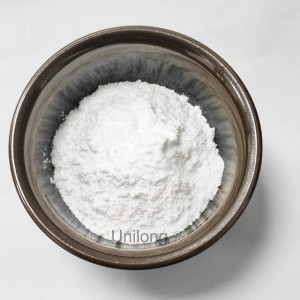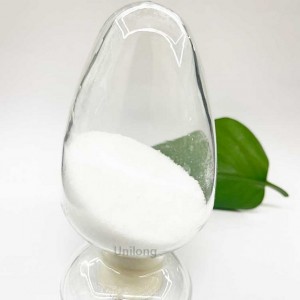

Zinc Stannate CAS 12027-96-2


Zinc Stannate (CAS 12027-96-2), a zinc-tin synergistic halogen-free flame retardant and smoke suppressant, is mainly used for efficient flame retardancy of plastics/ rubbers such as PVC and ABS. It is characterized by low smoke, environmental friendliness and high temperature resistance. It is an ideal substitute for halogen-based flame retardants.
pH value: ≈ 7.0 (neutral)
Thermal stability: Excellent heat resistance, decomposition temperature > 200℃
Solubility: Insoluble in water and organic solvents
Core characteristics: Halogen-free, environmentally friendly, strong smoke suppression ability, containing both zinc and tin metal elements, it is a new type of composite flame retardant and smoke suppressant.
| ITEM | STANDARD |
| SN | 42min |
| Fe | ≤0.02 |
| Pb | ≤0.002 |
| As | ≤0.001 |
| Sb | ≤0.0025 |
| Nitrate (NO3) | ≤0.1 |
| Alkali insoluble | ≤0.1 |
Plastic/Rubber Flame Retardant (Main Product)
Used for high molecular materials such as PVC, ABS, nylon, polyolefins, and rubber.
Advantages: Only a small amount (5-15%) needs to be added to meet the UL94 V-0 flame retardant standard, and it can significantly reduce smoke density (smoke suppression rate can reach over 60%).
Replace traditional toxic halogen-based flame retardants and meet environmental protection regulations such as RoHS and REACH.
Electronic and Electrical Materials
Used for components with high flame retardancy and low smoke halogen-free requirements such as wires and cables, connectors, and appliance housings.
Coatings and Composite Materials
As an additive for anti-corrosion coatings and flame-retardant coatings, it enhances the heat resistance and flame retardancy of the coatings.
• Standard Packing: 25 kg/bag; 25 kg/drum
• MOQ: to be confirmed by grade and destination
• Lead Time: to be confirmed by order quantity and production schedule
• Shipping: sea / air / express options available
• Store in a cool, dry, and well-ventilated place.
• Keep container tightly closed and protected from moisture.
• Avoid direct sunlight, heat, and open flame.
• Follow SDS guidance for incompatible materials.