
Rosehip Seed Oil CAS 84603-93-0


Rosehip Oil for Cosmetic Formulations
Rosehip seed oil is obtained from the seeds within rosehip fruits. In skin care, it contributes a liquid lipid component that leaves the skin feeling soft and conditioned. It is used in fluid oil products as well as emulsions containing water-based moisturizing ingredients. The oil can be combined with other plant oils and cosmetic emollients, giving formulators scope to adjust texture while retaining rosehip oil in the ingredient blend.
Lipid Composition and Technical Characteristics
Linoleic, alpha-linolenic and oleic acids are characteristic components of the fatty acid profile of rosehip oils. These fatty acids occur mainly within triglycerides, with palmitic and stearic acids also present in smaller proportions. The balance varies with the botanical source and processing. The unsaturated lipid fraction is relevant to both its use as a cosmetic oil and its sensitivity to oxidation.
Naturally occurring tocopherols are also found in rosehip seed oils. Both alpha- and gamma-tocopherol have been identified in rosehip oil analyses. Their composition and retained amount vary between materials, alongside other minor constituents and the natural odor profile. Refined oils and less processed oils can therefore differ beyond their appearance.
Rosehip oil is insoluble in water and blends with fixed oils and suitable lipophilic cosmetic ingredients. Cosmetic esters can form part of the same emollient blend, while an emulsifier system distributes the oil within a cream or lotion. In transparent facial oils, compatibility also depends on the other oil-soluble ingredients. Direct addition to water does not produce a clear solution; aqueous formats need a suitable emulsification or solubilization system.
| Characteristic | General material profile |
|---|---|
| Physical form | Liquid oil |
| Water solubility | Insoluble |
| Main lipid fraction | Triglycerides |
| Characteristic fatty acids | Linoleic, alpha-linolenic and oleic acids |
| Other fatty acid components | Palmitic and stearic acids |
| Natural minor constituents | Tocopherols; composition varies with source and processing |
Color, Odor and Processing
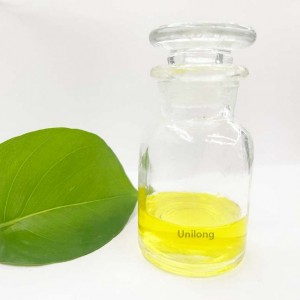
Commercial rosehip oils range from pale yellow to deeper orange or reddish shades. The color contribution is most apparent in clear oil blends and pale or lightly tinted emulsions. Refining can produce a lighter-colored material with a more restrained odor, while less refined oils may retain a stronger botanical character. A lower-odor oil can suit delicate fragrance compositions in which the base oil's own scent would otherwise remain noticeable.
Processing can include seed pressing, filtration and subsequent refining steps such as decolorization and deodorization. These operations influence the oil's sensory contribution to the final product. A pale cream or lightly fragranced lotion may call for a different color and odor profile from a visibly botanical facial oil. Filtration removes suspended seed particles; subsequent refining can further change the oil's color and odor profile.
Applications
Facial Oils and Oil-Based Serums
Rosehip seed oil supplies part of the emollient base in anhydrous facial oils and oil-based serums. Facial oil blends can combine rosehip with almond oil, cranberry seed oil and squalane as a mixed emollient base. Such blends allow the other emollients to adjust fluidity and residual skin feel while retaining a rosehip component. In a transparent bottle, the oil's natural color remains visible, and the finished blend benefits from packaging that limits light exposure.
Moisturizing Creams and Lotions
In moisturizing emulsions, rosehip oil contributes to the lipid phase of facial creams, hand creams and body lotions. It can be combined with other emollient oils, including meadowfoam seed oil and coconut oil within an emulsified moisturizer. Water-soluble moisturizing ingredients occupy the aqueous phase, while the oil blend contributes emolliency and afterfeel. The proportion of liquid oils and solid structurants helps distinguish a fluid lotion from a richer cream, with rosehip oil forming part of that lipid balance.
Body Oils and Massage Preparations
Rosehip seed oil is used in body oils and massage blends as a botanical carrier lipid. It can share the base with other fixed oils, allowing the formulation to combine rosehip oil's ingredient identity with the glide and persistence required for body application. These products can remain fully anhydrous, without the emulsifier structure of a lotion. Characteristic raw-material odor is particularly relevant in lightly fragranced body oils, where it contributes directly to the finished sensory profile.
Hair Oils and Conditioning Products
Rosehip seed oil can form part of hair oils, conditioning blends and emulsified hair-care products. Its role is an emollient lipid applied with the rest of the conditioning system, including products intended for hair lengths and ends. Botanical blends may pair rosehip with oils such as marula, baobab or Kalahari melon seed oil. The balance of oils and other conditioning ingredients differs between a rinse-off product and a leave-on oil, particularly where product weight and residual feel matter.
Formulation and Oxidative Stability
Rosehip oil can enter an emulsion through the oil phase or a compatible cool-down addition. Both routes are represented in cosmetic formulation practice, with the emulsifier system and process determining the suitable stage. Cool-down addition is useful in formulations designed to incorporate selected emollients after the principal heating step. The selected oil and emulsion process set the usable addition window.
The linoleic- and alpha-linolenic-containing lipid fraction is sensitive to oxidative change. Air exposure, light and heat can affect the oil's odor and appearance during processing and storage. An oil-soluble antioxidant such as tocopherol may be included as part of the formulation's stabilization system. The finished product's stability depends on the complete oil blend, antioxidant system and pack, rather than the rosehip component in isolation.
Packaging and Storage
Rosehip oil is stored in tightly closed containers in a cool, dry place protected from light. Keeping the closure secure between production uses reduces unnecessary exposure to air. Direct sunlight and prolonged heat exposure are unsuitable storage conditions for this unsaturated botanical oil. The supplied grade's instructions determine its specific storage temperature and expiry period.
Commercial pack size, MOQ and delivery schedule are confirmed with the current quotation. Packing requirements are agreed for the material and shipment quantity.
Why Choose Unilong
Product and Batch Documents
We coordinate available specifications, TDS, SDS and applicable batch COA documents. Botanical-source and composition declarations can be requested for the material being offered.
Factory Visits and Audit Coordination
We coordinate manufacturing-site visits, supplier questionnaires and buyer-appointed third-party audits. Site access, scope and timing are agreed with the relevant manufacturer.
Inspection and Sample Approval
Third-party inspection can be arranged before dispatch. For orders requiring pre-shipment sample approval, cargo release follows the agreed approval requirements.
Packaging and Export Support
We coordinate export packing, shipping marks and shipment documents. Agreed shipment records can include packaging and loading photos.
Frequently Asked Questions
Can I request a sample before commercial supply?
Yes. Evaluation samples can be arranged subject to material availability. Sample quantity and packaging are agreed for the request.
Is this offer certified organic or cold-pressed?
Organic certification and cold-pressed status have not been established for this offer. Neither attribute is included as a current supply claim.
Which botanical name applies to the supplied oil?
The supplied oil's botanical name and INCI depend on its documented source. We coordinate the corresponding declaration for the material offered.
Ordering from Unilong
Contact Unilong for Rosehip Seed Oil CAS 84603-93-0 supply. Include the intended application, target specification, quantity, destination and packaging or document requirements, together with any specified botanical source or processing requirement.