
Avocado Oil CAS 8024-32-6


Product Composition and Characteristics
Avocado oil is obtained from the flesh of the avocado fruit. Its main lipid fraction consists of fatty-acid glycerides, with oleic acid generally predominating in the fatty-acid profile. Palmitic, linoleic and palmitoleic acids are also characteristic components. The relative proportions vary with the fruit source and processing, so commercial oils can share the same botanical identity while having different compositional profiles.
Avocado oils can contain phytosterols and tocopherols alongside their main glyceride fraction. Beta-sitosterol and alpha-tocopherol are among the minor constituents reported in avocado oil. Their levels vary with cultivar, extraction and refining, along with the balance of other minor components. The resulting composition is specific to the oil and its processing route.
Colour and Odour
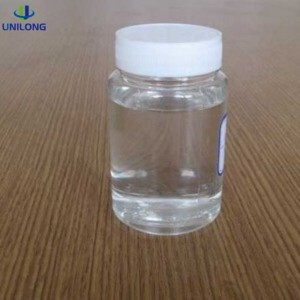
Commercial avocado oil ranges from yellow to yellow-green, with some unrefined and cold-pressed oils showing a deeper green colour. Refining generally produces a lighter-coloured oil with a milder odour. More strongly coloured oils can impart a visible tint to a finished product, particularly in transparent body oils and pale, minimally coloured creams.
Naturally occurring chlorophylls and carotenoids contribute to the colour of avocado oils that retain these pigments. Their proportions depend on the fruit material and extraction process. The resulting shade is relevant to the appearance of the ingredient and the finished cosmetic, while the oil's characteristic aroma can influence lightly fragranced formulations.
Solubility and Oil-Phase Compatibility
Avocado oil is insoluble in water and compatible with vegetable oils and suitable cosmetic esters. This makes it useful in mixed carrier oils and in the dispersed lipid phase of emulsions. It also combines with waxes and butters in anhydrous products, where the liquid oil contributes spreading and the solid lipids provide structure.
Temperature-Dependent Appearance
Some avocado oils become cloudy or develop flocculation as the temperature falls, including slightly below room temperature. Their low-temperature appearance depends on composition and processing. This behaviour is particularly relevant to clear bottled oils, where suspended material is visible; a permanently clear appearance at low temperature is a separate grade characteristic.
Applications
Face Creams, Hand Creams and Body Lotions
Avocado oil contributes emolliency to the lipid phase of face creams, hand creams and body lotions. Its lubricating character helps the product spread and leaves a soft skin feel after application. It can form part of a blended oil phase containing vegetable oils, cosmetic esters and fatty alcohols, with the blend contributing to the finished texture. Fluid body lotions incorporate it within a pourable emulsion, while richer face and hand creams combine it with a more structured lipid phase.
Massage Oils and Body-Oil Blends
In massage oils, avocado oil contributes glide during application and acts as part of the carrier-oil base. It can be combined with other compatible vegetable oils and esters to produce different spreading and residual-oil characteristics. Body oils use the same liquid lipid function in pourable blends, while oil-based scrubs incorporate it around the exfoliating phase. The ingredient's colour and odour remain apparent in lightly fragranced blends, especially when the oil base is displayed in transparent packaging.
Hair Conditioners, Masks and Leave-On Products
Avocado oil functions as an emollient component in hair-conditioning emulsions and masks. It forms part of the lipid blend alongside conditioning agents, emulsifiers and fatty alcohols in emulsified conditioner bases. Leave-on conditioners can also incorporate it within an emulsified oil phase. Hair-oil products use it in an anhydrous blend, with the surrounding oils and esters contributing to the desired spreading and residual feel.
Balms, Lip-Care Products and Colour Cosmetics
Avocado oil provides a liquid lipid component in body balms, lip-care products and lotion bars. Within a wax- or butter-structured base, it contributes spreading and softens the feel of the solid lipid blend during application. Jar balms and solid bars use different balances of liquid and solid ingredients to achieve their intended consistency. In low-fragrance formulations, the colour and aroma of the oil can also contribute to the product's appearance and sensory character. Lipstick formulations can incorporate avocado oil as an emollient within the wax-based composition. In these solid lip products, the oil contributes lubrication during application alongside the other liquid lipids.
Bar Soaps
Avocado oil is used as part of the vegetable-oil blend in both cold-process and hot-process bar soaps. Its fatty-acid glycerides provide material for the soap base, alongside the other oils in the recipe. The complete blend determines the balance of bar texture, cleansing and lather characteristics, while the avocado oil supplies its own fatty-acid contribution. This application uses the oil as a manufacturing ingredient, with the relevant saponification value belonging to the selected material's specification.
Storage and Commercial Supply
Keep avocado oil tightly closed in a cool, dry place, protected from direct sunlight and unnecessary exposure to air. Light and heat can affect its oxidative condition and naturally occurring minor components. Oil that retains chlorophyll is particularly sensitive to light exposure because the pigment can promote photo-oxidation under illuminated conditions.
During production handling, clean dispensing equipment and prompt container closure limit contamination and exposure of the remaining oil. Prolonged heating can change the oil's pigments and minor-component profile, including the levels of sterols and carotenoids. These changes affect the condition and appearance of the material, so unnecessary extended exposure to heat is best avoided.
Why Choose Unilong for Avocado Oil Supply?
Product and Batch Documents
We help obtain available specifications, TDS, SDS and the applicable batch COA for the selected avocado oil. This supports material assessment and purchasing against an agreed specification.
Factory Visits and Buyer-Appointed Audits
We coordinate supplier questionnaires, factory visits and third-party audits with the relevant manufacturer. Site access, the information available and timing depend on the agreed audit scope and the manufacturer's arrangements.
Pre-Shipment Inspection and Sample Approval
Third-party inspection can be arranged with the supplying site before dispatch. Where pre-shipment sample approval is agreed, cargo is released after the buyer's approval under the agreed terms.
Export Packing and Shipment Records
We coordinate packing requirements, shipping marks and shipment documents. Packing and loading photographs can be included in the agreed shipment records to support receipt and order follow-up.
Further information: Unilong Service and Support.
Frequently Asked Questions
Can I request an avocado oil sample?
Yes. Samples can be arranged for formulation and production evaluation. The sample quantity, packing and terms depend on the selected material.
Can you review my existing purchasing specification?
Yes. We accept existing specifications for comparison with available avocado oil. A matching grade and any additional testing remain subject to technical agreement.
Can I request a specification and batch COA?
Yes. We coordinate the specification and applicable batch COA available for the selected material. TDS and SDS support is also available within the supplying team's document scope.
What are the MOQ and current shipment timing?
MOQ, pack size and shipment timing are confirmed with the current quotation for the selected avocado oil and destination.
Ordering from Unilong
For an avocado oil quotation, send your required grade or specification, application, quantity and destination, together with any packaging or document requirements.