
PPG-12/SMDI Copolymer Supplier CAS 9042-82-4 for Cosmetics | Unilong

Quick Procurement Information
| Item | Details |
|---|---|
| Product | PPG-12/SMDI Copolymer |
| Chemical family | Polyether urethane copolymer |
| Main formulation roles | Film forming, conditioning and texture modification |
| Order information | Required grade, quantity, application and destination |
| Commercial terms | Packaging, MOQ and lead time confirmed with the quotation |
Cosmetic Film Forming and Texture Modification
PPG-12/SMDI Copolymer combines polypropylene glycol segments with a saturated diisocyanate-derived structure. Its cosmetic uses bring together film formation and conditioning, making it relevant to products in which the deposited film contributes to application feel and finish. Oil-compatible commercial grades are used in oil-rich skin care and makeup systems as film formers and texture modifiers.
For manufacturers, the purchasing requirement extends beyond the ingredient name. An oil serum, a pigmented lip product and a hair-styling preparation can require different viscosity, sensory and compatibility profiles. The supplied composition and its behaviour in the intended base therefore matter alongside the INCI designation. Include the existing raw-material grade or your target specification when discussing an established production formula.
Technical Specifications and Grade Selection
The technical specification covers composition, appearance and viscosity, with numerical limits defined for the commercial grade. Send your production requirement to Unilong with any specified polymer content, accompanying ingredients or restrictions on the raw-material composition. For an established formula, include the approved grade designation with the specification.
| Parameter | Product data or quotation requirement |
|---|---|
| INCI designation | PPG-12/SMDI Copolymer |
| CAS number | 9042-82-4 |
| Polymer structure | PPG-based copolymer containing urethane linkages |
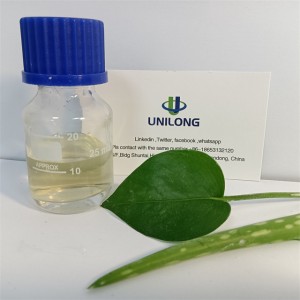
| Commercial material form | Viscous liquid; appearance depends on grade |
| Viscosity | Grade-specific; include target range and measurement temperature |
| Copolymer content | Specify the required composition and reporting basis |
| Accompanying ingredients | Identify any required or excluded carriers and additives |
| Additional acceptance limits | Include applicable colour, odour or residual-substance requirements |
For a repeat order, the approved grade designation keeps the purchasing request connected to the material already used in production. Where viscosity is a release criterion, include the established measurement conditions with the target range. This is particularly useful for viscous materials whose handling and dispensing form part of the manufacturing process.
Supplied Composition and Oil Compatibility
Commercial products can contain PPG-12 in addition to PPG-12/SMDI Copolymer. The complete composition is relevant to ingredient declaration, formula calculations and raw-material replacement. A purchase request can specify the copolymer alone or a defined commercial composition, according to the requirements of the finished product.
Oil-soluble grades are selected for the actual oil blend in the formula. Ester-rich, hydrocarbon-rich and silicone-rich systems place different demands on the polymer. For a clear oil product, the desired appearance after incorporation is especially important. For a pigmented product, the polymer also sits alongside the dispersant, wax and other film-forming ingredients in the overall formula design.
Applications in Cosmetic Production
Skin Care Oils, Creams and Lotions
Oil-compatible PPG-12/SMDI Copolymer grades are used in skin care for film formation and texture modification. In facial oils and oil-rich products, these roles are relevant to the way the formula spreads and leaves a film after application. Creams and lotions bring additional considerations through their oil phase, emulsifier system and desired after-feel. Grade selection follows the finished-product format, with clarity, viscosity and sensory requirements defined for the production formula.
Lip Products and Colour Cosmetics
PPG-12/SMDI Copolymer is used in colour cosmetics as a film-forming and texture-modifying ingredient. In lip products, a suitable grade can contribute to the gloss and body of the oil phase. Pigmented makeup requires the film former to work within the selected pigment dispersion, wax and binder system. Purchasing specifications for these products commonly focus on the required composition, colour contribution and compatibility with the established base.
Sun Care Formulations
Sun care manufacturers use cosmetic film formers as part of the vehicle that carries UV filters and other ingredients. Suitable PPG-12/SMDI Copolymer grades are used as film-forming ingredients in sunscreen emulsions. Its selection concerns the oil phase, application feel and film characteristics of the complete product. SPF, UVA protection and water-resistance claims belong to the finished formulation and its own substantiation.
Hair Styling and Conditioning Products
PPG-12/SMDI Copolymer functions as a hair-fixing and conditioning polymer. It is relevant to styling products in which a deposited film contributes to shaping and finish. Oil content, other styling polymers and the intended application method influence the appropriate commercial grade. For production sourcing, identify the finished-product format and the desired balance of hold, flexibility and feel in the purchasing brief.
Incorporation into the Production Formula
For oil-compatible grades, incorporation follows the selected oil phase and the processing conditions of the commercial material. Mixing temperature, addition sequence and the surrounding ingredients affect how the polymer is distributed through the batch. A clear oil product requires a different incorporation approach from an emulsion or a heavily pigmented system.
When sourcing material for an existing product, include the established addition level and processing constraints with the raw-material specification. This connects the supply enquiry to the actual manufacturing process without changing the approved formula. For a replacement purchase, identify the current grade and full INCI composition so that the proposed material can be considered against the same production requirement.
Product Documents and Batch Information
Include your TDS, SDS and COA requirements with the commercial enquiry. Document availability and the applicable grade are addressed with the quotation. Composition details, viscosity and any agreed release limits need to correspond to the material proposed for your production formula.
For batch documentation, list the acceptance criteria and document scope required for the order. Destination-specific requests can include the market and exact declaration needed, so availability can be addressed before purchasing.
Packaging and Commercial Supply
Packaging requirements follow the quantity consumed in production and the way material is transferred into the batch. Specify the preferred net weight per container, total shipment quantity and any container-handling requirements for your receiving site.
The quotation establishes the supplied grade, packing configuration, MOQ and lead time. For scheduled purchases, include the required delivery window, expected purchasing frequency and receiving location. Any labelling, pallet or import-document requirements can accompany these details.
Storage conditions and shelf life follow the documentation for the agreed commercial grade. If your receiving procedure requires a minimum remaining shelf life, include that requirement with the planned delivery date.
Procurement & Quality Support from Unilong
Unilong brings your material requirements, quality enquiries and shipment questions together through a single sales contact. Our support focuses on the steps involved in purchasing PPG-12/SMDI Copolymer for commercial production.
Specification and Composition Coordination
We use your required INCI, complete composition and viscosity criteria to guide the supply enquiry. For an existing formula, the approved raw-material specification gives us a clear basis for discussing the proposed grade and its documents with the supply source.
Supplier Qualification and Factory Assessment Enquiries
Send your supplier questionnaire, required documents and any factory-assessment request with the production-order enquiry. We will confirm the documentation and assessment arrangements the proposed source can support, giving your purchasing and QA teams a response on the scope available for the order.
Third-Party Pre-Shipment Inspection
For commercial orders requiring independent checks, Unilong can coordinate third-party pre-shipment inspection under agreed arrangements. The inspection scope, inspecting organisation, fees and timing are confirmed for the order before the inspection is arranged.
Shipment Follow-up and Order Enquiries
Your Unilong sales contact handles follow-up enquiries on agreed packaging, shipment progress and document requests. For a quality or quantity discrepancy, provide the order and batch details so the matter can be taken up with the relevant supply or logistics parties.
Procurement FAQ
What information is needed for a production-order quote?
Send the required grade or specification, order quantity, application, destination and preferred packaging. Include the current raw-material code for repeat production purchases.
Can I enquire for an existing approved grade?
Yes. Send its grade designation, full INCI composition and purchasing specification with the required quantity so the supply request addresses your approved material.
How are MOQ, packaging and lead time established?
These terms are confirmed with the quotation for the requested grade and order quantity. Include your required delivery window with the enquiry.
How do I request TDS, SDS and COA information?
List the documents and acceptance criteria required for your order. Unilong will respond on availability for the proposed grade and applicable batch documentation.
Request a Commercial Supply Quotation
Send your PPG-12/SMDI Copolymer requirement to Unilong with the target specification, production quantity, destination and delivery schedule. For an established formula, attach the current grade details and any required composition limits. Contact our sales team to discuss the material and commercial terms for your production order.