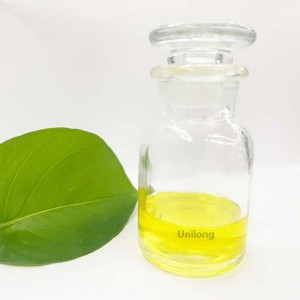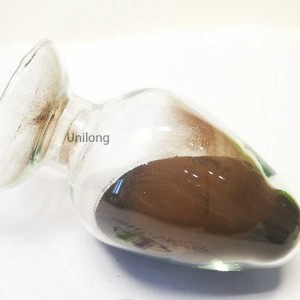

Phytic acid CAS 83-86-3


Phytic acid is also known as hexadecahydrotetracyclotetrahydroxyhexanoate. In nature, it mostly exists in the form of calcium phytic acid in plant seeds. Phytic acid is extracted from rice bran and husks. Due to its unique chemical properties and physiological functions, it has been widely applied in food, medicine, metal processing, polymer industry, and daily chemical industries.
| Phytic acid 50% | |
| Assay: | 50% min. |
| Inorganic phosphorous: | 0.2% max. |
| Chloride: | 0.02% max |
| Calcium: | 0.02% max. |
| Heavy metal: | 0.003% max. |
| Sulfate: | 0.02% max. |
| Arsenic: | 0.0003% max. |
| Phytic acid 70% | |
| Assay: | 70% min. |
| Inorganic phosphorous: | 0.2% max. |
| Chloride: | 0.02% max |
| Calcium: | 0.02% max. |
| Heavy metal: | 0.003% max. |
| Sulfate: | 0.02% max. |
| Arsenic: | 0.0003% max. |
Phytic acid CAS 83-86-3 is widely used in the industries including food, medicine, paint, coating, daily-use chemicals, metal processing, textile, plastic and macromolecule as chelating agent, antioxidant, antistaling agent, color fixative, water softener, accelerant and metal preservative etc..
In the food industry, it is used for the preservation and color protection of fruits, vegetables and aquatic products, and also as a metal antirust and corrosion inhibitor.
25kgs/drum, 9tons/20’container
25kgs/bag, 20tons/20’container

Phytic acid CAS 83-86-3

Phytic acid CAS 83-86-3