

I.From Harsh Chemicals to Gentle Efficacy: The Rise of Taurates in Personal Care
The personal care industry is undergoing a significant transformation. Consumers are more educated than ever, scrutinizing ingredient lists for sulfates, parabens, and harsh detergents. This shift has catalyzed the demand for mild, sustainable, yet highly effective cleansing agents. At the forefront of this movement is Sodium Methyl Cocoyl Taurate (SMCT), an amino acid-based surfactant that is rapidly becoming the gold standard for premium formulations.
Derived from natural coconut fatty acids and the amino acid derivative N-methyltaurine, SMCT represents a departure from traditional surfactants like Sodium Lauryl Sulfate (SLS). It offers a sophisticated solution for formulators seeking to balance powerful cleansing with exceptional skin and hair compatibility. Its unique molecular structure, featuring a hydrophilic amino acid headgroup, contributes to its mildness and stability, making it a versatile ingredient across a wide pH range.
With a Book index rating of 8, this compound is recognized for its high safety profile and biodegradability, aligning with the growing consumer preference for “green” and “clean” beauty products. This article explores the multifaceted benefits of Sodium Methyl Cocoyl Taurate and why it should be the cornerstone of your next generation of personal care products.
II.Uncompromising Mildness and Skin Compatibility
One of the most compelling attributes of Sodium Methyl Cocoyl Taurate is its exceptional gentleness. Unlike harsh sulfates that can strip the skin of its natural oils and disrupt the moisture barrier, SMCT offers a cleansing experience that is remarkably mild. The “cocoyl” group, derived from coconut oil, combined with the taurate (amino acid) structure, gives this surfactant a high affinity for skin and hair, reducing the potential for irritation.
Technical data confirms this low irritancy profile. Studies indicate that SMCT has a high acute toxicity threshold (LD50 > 2000mg/kg in rats), and it is known to be significantly milder than SLS. In fact, it is frequently recommended for formulations targeting sensitive skin, including baby products and facial cleansers, where it effectively cleanses without causing redness or dryness. It even has the ability to mitigate the irritating effects of other, harsher surfactants in a formulation, enhancing the overall consumer experience.
III.Superior Foaming and Sensory Experience
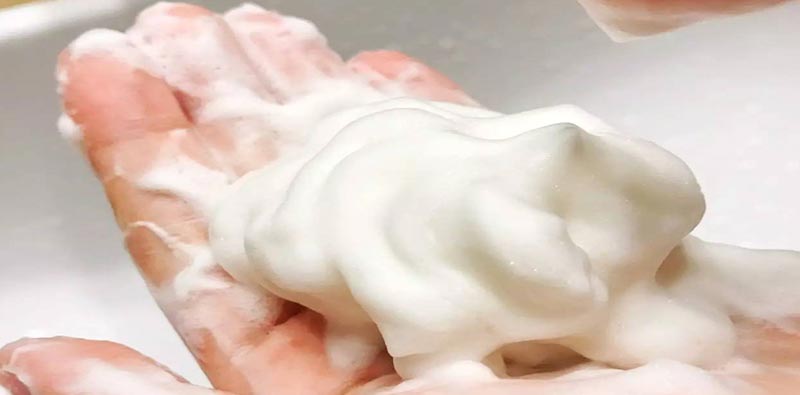
In the world of cleansing, foam is paramount to the consumer’s perception of efficacy. Sodium Methyl Cocoyl Taurate excels in this area, generating a rich, creamy, and luxurious lather that rivals the foaming performance of sulfates like SLES. This characteristic is crucial for products like shampoos, body washes, and facial cleansers, where a dense, stable foam not only aids in cleaning but also creates a more pleasurable sensory experience.
The foam produced by SMCT is noted for its stability, resisting rapid collapse even in the presence of hard water. This high-performance foaming, combined with its mildness, allows formulators to create “sulfate-free” products that do not compromise on lather—a common challenge in the green beauty segment. Furthermore, SMCT is known for its easy rinse-off properties. It does not leave a heavy, sticky, or “squeaky” residue on the skin or hair, instead imparting a soft, smooth, and hydrated feel. This sensory benefit is a key differentiator in the competitive personal care market.
IV.Broad Formulation Flexibility and Stability
For the formulator, Sodium Methyl Cocoyl Taurate is a powerhouse of versatility. It demonstrates excellent compatibility with a wide range of other surfactant types, including anionic, nonionic, and amphoteric, providing formulators with the freedom to create complex, synergistic blends. This compatibility is essential for tailoring viscosity, texture, and overall performance.
Moreover, SMCT is exceptionally stable across a broad pH range, typically from pH 3 to 11. This stability makes it suitable for a diverse array of products, from acidic exfoliating cleansers to more neutral or mildly alkaline formulations. Advanced grades like Geropon® TC Clear MB have revolutionized handling, offering a stable, cold-processable liquid format that simplifies manufacturing and eliminates the need for pre-heating required by traditional paste forms. These “ultra-low salt” versions (<0.5% NaCl) also enhance compatibility with salt-sensitive thickeners and cationic polymers, preventing formulation instability and precipitation.
V.Sustainability and a “Green” Profile
The modern consumer is not just concerned about what a product does for them, but also about its impact on the planet. Sodium Methyl Cocoyl Taurate boasts a strong sustainability profile. It is synthesized from renewable, natural sources—coconut oil and amino acids—and is readily biodegradable. This positions it as an ideal ingredient for brands looking to reduce their environmental footprint without sacrificing performance. The “Book index” rating of 8 further underscores its safety and eco-friendly credentials, providing consumers with an additional layer of trust in the product’s integrity.
As the industry moves away from petroleum-based and non-biodegradable ingredients, the adoption of eco-conscious, high-performance alternatives like SMCT is not just a trend but a necessity.
VI.Market Drivers and Application Outlook
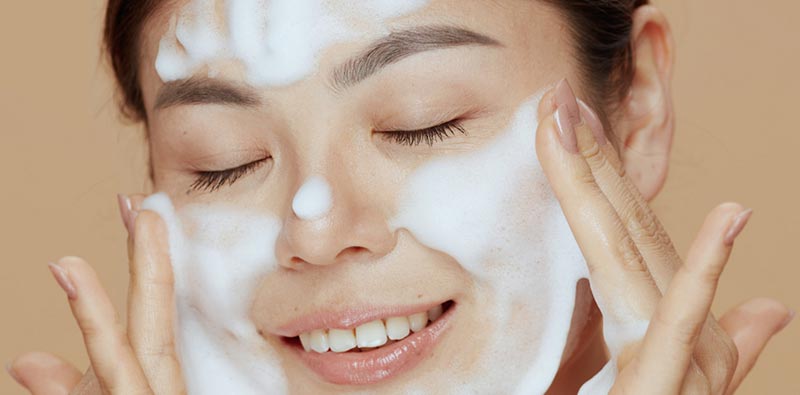
The continued expansion of the global clean beauty market is opening up vast application opportunities for Sodium Methyl Cocoyl Taurate. In the premium baby care segment, its extreme mildness makes it an indispensable core ingredient in infant shampoos and body washes, meeting parents’ stringent demands for safety. In the sensitive skin and professional dermocosmetics sector, it is widely used in facial cleansing mousses and makeup removers, delivering deep cleansing while maintaining skin barrier integrity—a standard endorsed by dermatologists.
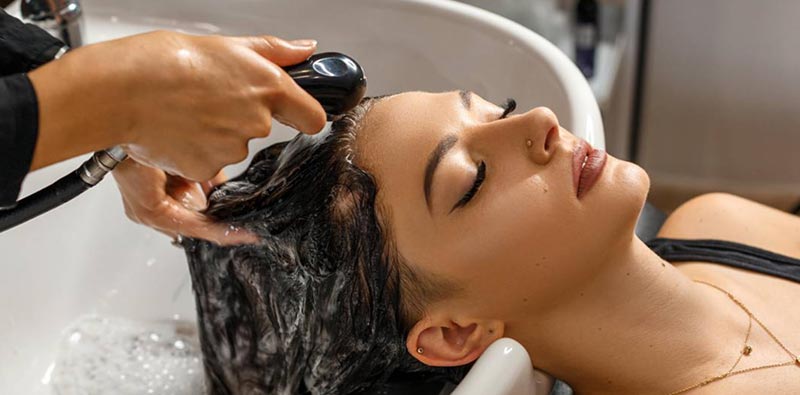
Simultaneously, as the concept of “scalp care” continues to evolve, premium shampoo formulations are increasingly moving away from sulfates in favor of amino acid-based surfactant systems. SMCT, with its superior foam texture and rinse-off experience that leaves hair feeling clean yet never stripped, has become a top choice in this growing market segment. Looking ahead, compounding technologies based on SMCT are expected to mature further across facial cleansing, body wash, shampoo, and even oral care categories, driving the entire personal care industry toward a gentler and more sustainable future.
Post time: Aug-19-2026