

As consumers’ demands for skin care safety upgrade, “gentle cleansing + barrier repair” has become the core evaluation criterion for facial cleansers. Sodium cocoyl glutamate (CAS 68187-32-6), a natural amino acid surfactant derived from coconut oil and glutamic acid, is abbreviated as SCG. With its low irritation and high compatibility, it is becoming a core formula ingredient for major beauty brands, driving the amino acid skincare market into a refined development stage.
I. The core advantage stands out: a dual breakthrough in mildness and efficacy
The rise of sodium cocoyl glutamate surfactant stems from its performance innovation of traditional cleaning ingredients. As an anionic amino acid surfactant, scg sodium cocoyl glutamate achieves a balance between cleansing power and mildness through its unique molecular structure – sodium cocoyl glutamate can not only quickly dissolve the oil and dirt on the skin surface, forming a dense and easily rinsing foam, but also reduce damage to the lipids in the stratum corneum Its stratum corneum damage rate is 68% lower than that of traditional sulfate-based surfactants.
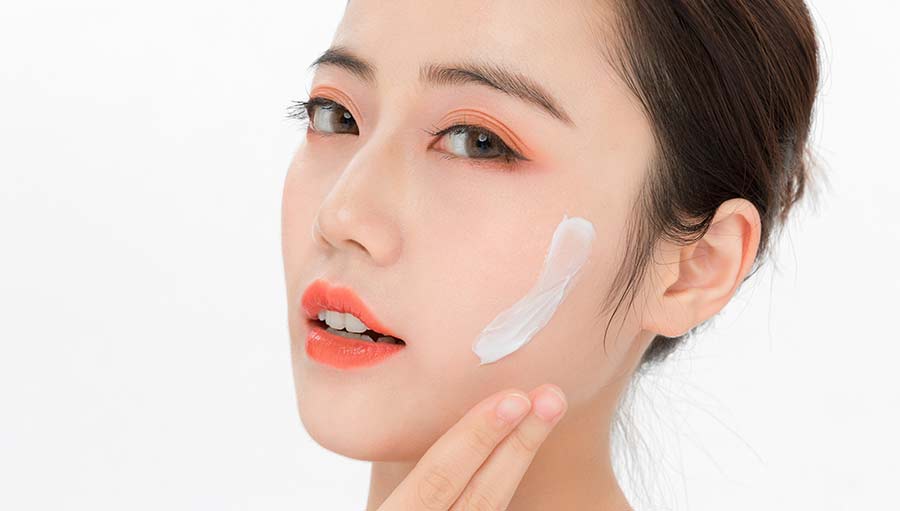
The pH value of this ingredient is stable within the range of 5.0 to 6.0, which is highly compatible with the pH value of the sebum film of healthy skin. It can prevent damage to the skin barrier during the cleansing process. Human trials have verified that after using products containing this ingredient, the transepidermal water loss (TEWL) of the skin is 42% lower than that of traditional facial cleansers. Meanwhile, its extremely low sensitization rate (the reaction rate of the HRIPT test is only 0.3%) and percutaneous absorption rate of less than 0.01% make it safe for special groups such as sensitive skin, pregnant women and infants to use.
II. Sodium cocoyl glutamate has a wide range of market applications: covering all scenarios from mass to high-end
At present, disodium sodium cocoyl glutamate has become a core ingredient in cleansing skin care products such as facial cleansers, body washes and shampoos, with layouts from affordable domestic products to international high-end brands. All of them take it as the core surfactant, combined with repair ingredients such as ceramide and panthenol, precisely meeting the cleaning needs of dry and sensitive skin and skin with damaged barriers.
In the field of functional facial cleansers, the compound application of this ingredient has achieved multi-dimensional upgrades. Some products, through the synergy of other amino acid surfactants such as potassium cocoyl glycinate, combined with niacinamide, tea extract and other ingredients, create a multi-functional formula of “cleansing + oil control + anti-aging”. 28-day usage data shows that such products can reduce the oil secretion of oily skin by 42% and lower the incidence of redness in sensitive skin by 90%. Third-party testing data shows that high-quality facial cleansers containing this ingredient can remove over 97% of SPF50 + sun protection and daily light makeup, meeting the convenient needs of commuters for “washing and removing in one”.
III. Is sodium cocoyl glutamate safe?
Low irritation
Eye irritation test (OECD 405 standard) : Sodium cocoyl glutamate shows no irritating reaction (score < 1), which is superior to traditional sulfate components (such as SLS/SLES);
Skin sensitization test (HRIPT) : The sensitization rate is only 0.3%. disodium sodium cocoyl glutamate is much lower than the average sensitization rate of cosmetic raw materials (2.1%), and it can be safely used by sensitive skin and pregnant women.
Gentle and suitable for the skin barrier
The pH value is stabilized at 5.0-6.0, which is highly compatible with the pH value of the sebum film of healthy skin (4.5-6.5), avoiding dryness and tightness of the skin after cleansing.
sodium cocoyl glutamate does not damage the lipid structure of the stratum corneum. After use, the transepidermal water loss (TEWL) of the skin decreases by 15% to 20%, which helps maintain the integrity of the skin barrier.

Environmental and metabolic safety
The biodegradation rate is over 90% (OECD 301B standard), with no risk of water pollution, meeting environmental protection requirements.
The human body has a rapid metabolism, mainly excreting through urine, and there is no risk of accumulation in the body.
IV. The industry trend of SCG sodium cocoyl glutamate buy is positive: Natural mildness becomes the key to consumer decision-making
As the “ingredient party” group expands, consumers’ demands for the safety and naturalness of skin care product ingredients continue to rise. sodium cocoyl glutamate raw materials is derived from natural raw materials and has a biodegradation rate of over 90% within 28 days, which conforms to the trend of environmentally friendly consumption. The search volume of its related products on e-commerce platforms has an annual growth rate of over 60%. In some hot-selling lists of amino acid facial cleansers, products containing this ingredient account for more than 70%.
Dermatologists say that gentle cleansing is the foundation for maintaining skin health. sodium cocoyl glutamate surfactant, with its advantages of being gentle and non-irritating and suitable for all skin types, is gradually replacing traditional irritating surfactants and becoming the mainstream choice for cleansing skin care products. In the future, with the further optimization of formula technology, its application in specialized scenarios such as post-medical art repair and infant care will continue to expand, promoting the development of the skin care and cleaning field towards a safer and more precise direction.
We are professional sodium cocoyl glutamate suppliers offering high-quality sodium cocoyl glutamate raw materials wholesale at competitive sodium cocoyl glutamate price—welcome to contact us to buy sodium cocoyl glutamate for your skincare, personal care or industrial applications!
Post time: Dec-04-2025