

ATPE (poly(propylene glycol)bis(2-aminopropyl ether)) is a class of polyolefin compounds with a flexible polyether backbone, terminated by primary or secondary amine groups. Because the molecular backbone is a flexible polyether chain, and the hydrogen at the end of Poly(propylene glycol)bis(2-aminopropyl ether) is more reactive than the hydrogen at the end of the hydroxyl groups in the polyether, Poly(propylene glycol)bis(2-aminopropyl ether) can effectively replace polyether in some material processing applications and improve the performance of new materials. It is widely used in polyurethane reaction injection molding materials, polyurea spraying, epoxy resin curing agents, and gasoline detergents.
Ⅰ.Poly(propylene glycol) bis(2-aminopropyl ether) Introduction:
Poly(propylene glycol)bis(2-aminopropyl ether) is a pale yellow or colorless transparent liquid at room temperature. It has advantages such as low viscosity, low vapor pressure, and high primary amine content. It is soluble in solvents such as ethanol, aliphatic hydrocarbons, aromatic hydrocarbons, esters, ethylene glycol ethers, ketones, and water.
Ⅱ.Poly(propylene glycol) bis(2-aminopropyl ether) Application:
1.Epoxy Resin Curing Agents (Largest Application Area)
(1)Wind Turbine Blade Composites (Core High-End Market)
Applications: Large wind turbine blades, nacelle covers, fairings (glass fiber reinforced epoxy system)
Advantages: Low viscosity, good wettability, moderate gel time, high toughness of cured product, fatigue resistance, low temperature resistance, weather resistance, low internal stress, suitable for long-term outdoor service.
(2)Poly(propylene glycol) bis(2-aminopropyl ether) used in Industrial Flooring / Self-Leveling Flooring
Applications: Workshop floors, shopping mall self-leveling floors, heavy-duty floors, anti-static floors
Advantages: Low VOC, high construction tolerance, smooth and glossy surface, wear-resistant and chemical-resistant, not prone to cracking.
(3)Poly(propylene glycol) bis(2-aminopropyl ether) used in Anti-corrosion Coatings & Industrial Primers
Applications: Epoxy anti-corrosion paint for steel structures, pipelines, storage tanks, containers, and construction machinery
Features: High solids content, can be used in solvent-free systems, strong adhesion, salt spray resistance, and acid and alkali corrosion resistance.
(4)Poly(propylene glycol) bis(2-aminopropyl ether) used in Electronic and Electrical Encapsulation/Insulation Materials
Applications: Power modules, transformers, circuit board epoxy potting compounds
Features: Low stress, excellent electrical insulation, temperature resistance, moisture resistance, suitable for precision electronics.
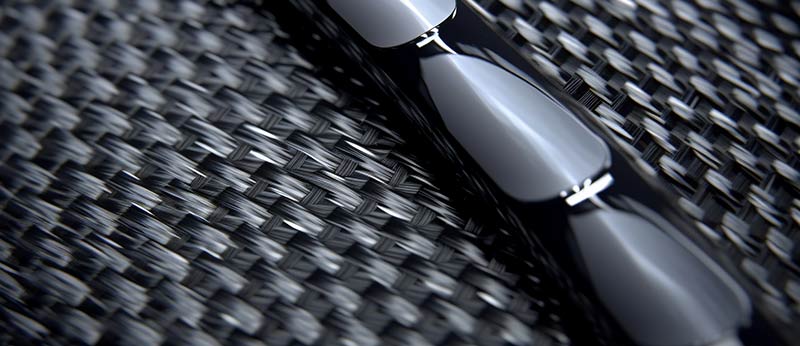
2. Poly(propylene glycol) bis(2-aminopropyl ether) used in Polyurea/Polyurethane Systems (Elastomers, Waterproofing and Corrosion Protection)
(1)Polyurea Waterproofing, Corrosion Protection, and Wear-Resistant Coatings
Applications: High-speed rail, bridges, tunnels, roofs, swimming pools, chemical tanks, mining equipment protection
Advantages: Fast reaction speed, room temperature curing, seamless, excellent elasticity, aging resistance, media resistance, wear resistance, and impact resistance.
(2) Polyurethane (PU) Chain Extenders/Modifiers
Function: Replaces traditional alcohol chain extenders, improving the elasticity, hydrolysis resistance, and low-temperature performance of PU products.
Applications: PU elastomers, sealants, shoe soles, artificial leather, hoses.
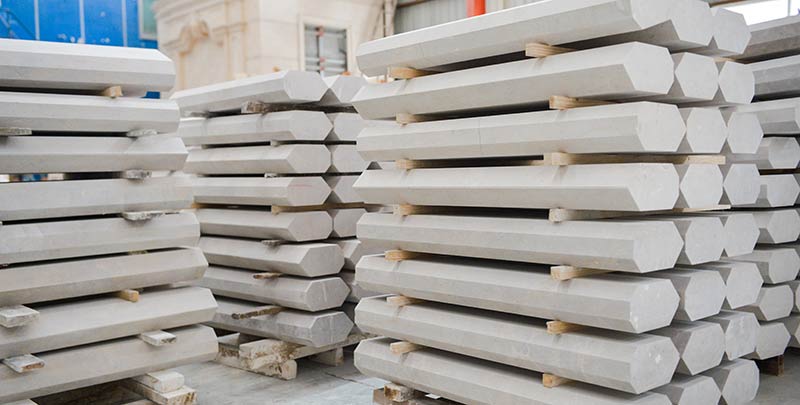
3. Building Materials
(1)Epoxy Grout, Joint Grout
Low shrinkage, yellowing resistance, good toughness, waterproof and mildew-proof, suitable for both indoor and outdoor use.
(2)Grouting Material, Repair Mortar
Curing component of epoxy grouting systems, enhancing adhesion and compressive strength, used for repairing concrete cracks.
(3)Waterborne Epoxy System
Modified waterborne epoxy curing agent, improving system stability, adhesion, and water resistance.
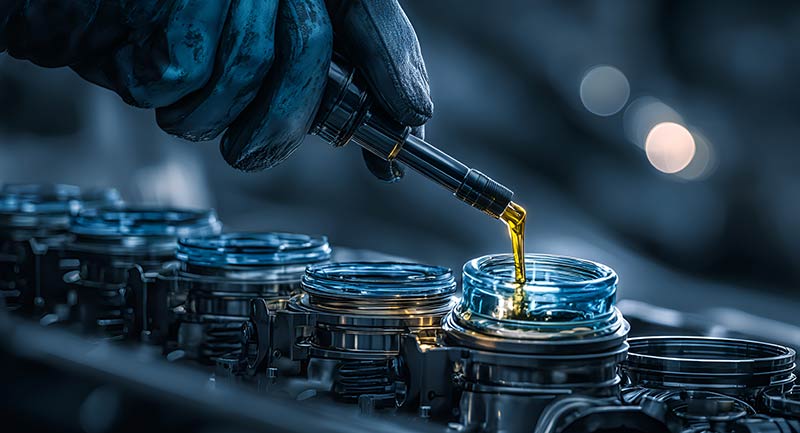
4.Poly(propylene glycol) bis(2-aminopropyl ether) used in Fuel, Lubricating Oil, and Daily Chemical Additives
(1)Fuel Cleaners (Classic Civilian/Automotive Applications)
Function: Removes carbon deposits from engine injectors, intake valves, and combustion chambers; inhibits gum formation; high thermal stability, low ash content, a core ingredient in mainstream gasoline additives.
(2)Lubricating Oil Additives
Used as dispersants, friction modifiers, and antioxidants to improve the lubrication and cleaning performance of oils.
(3)Textile/Daily Chemical Additives
As softeners, antistatic agents, and dye dispersants, improving the feel and processing performance of fabrics.
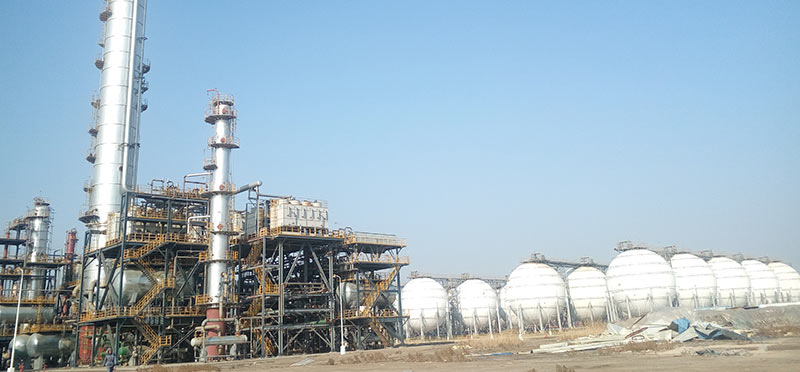
5. Oil and Gas Drilling & Oilfield Chemicals
(1)Shale Inhibitors/Swelling Inhibitors
Inhibit and disperse formation clay hydration and swelling, stabilize the wellbore, and reduce wellbore collapse.
(2)Fracturing Fluids and Cementing Additives
Regulate fluid rheology, prevent channeling, improve cementing quality, and adapt to oil and gas extraction conditions.
Ⅲ.Key performance advantages of Poly(propylene glycol) bis(2-aminopropyl ether)
1. Low viscosity: Excellent flowability, easy application, suitable for solvent-free/high-solids systems, strong wetting properties, especially suitable for glass fiber and carbon fiber composite casting.
2. Extremely low volatility and odor: Compared to aliphatic amines such as ethylenediamine and diethylenetriamine, it has a weaker odor, low VOCs, is environmentally compliant, and improves the working environment.
3. Excellent weather resistance: UV resistant, does not yellow easily, anti-aging, and does not crack or lose gloss after long-term outdoor use.
4. Outstanding toughness: The molecule contains flexible polyether segments, resulting in products with impact resistance, fatigue resistance, low brittleness, and good low-temperature performance.
5. Good compatibility: Smoothly miscible with epoxy resins, polyurethanes, and various additives, allowing for flexible formulation adjustments.
6. Good media resistance: Resistant to water, acids and alkalis, salt spray, and some organic solvents, exhibiting excellent performance in corrosion and waterproof applications.
Ⅳ.Market situation and prospects of Poly(propylene glycol) bis(2-aminopropyl ether) CAS 9046-10-0
1. Carbon Neutrality / Large-Scale Wind Power Bases: Global wind power installations are increasing by over 10% annually, with larger blades (>100 meters) driving up energy consumption and quality requirements.
2. Environmental Policies: Low-VOC and solvent-free systems are replacing traditional amines, highlighting the advantages of polyetheramines in terms of low odor and low irritation.
3. Rise of the Asia-Pacific Region: Explosive demand for infrastructure and new energy in China, India, Indonesia, and other regions, coupled with supply shortages and reliance on imports in markets like Indonesia.
Ⅴ.Conclusion
The Poly(propylene glycol) bis(2-aminopropyl ether) CAS 9046-10-0 market in 2026 is characterized by **”short-term pains, long-term positive outlook”: Poly(propylene glycol) bis(2-aminopropyl ether) prices are low and profits are under pressure, but the strong demand from wind power, import substitution, and emerging applications will drive long-term growth.
Post time: Jul-22-2026