

Sodium copper chlorophyllin (CAS 11006-34-1) is a water-soluble green colourant derived from plant chlorophyll through chemical processing. Unilong supplies this ingredient for projects requiring a green hue, with food and personal care grade enquiries addressed according to the intended formulation and destination market.
The material is typically a dark green to blackish-green powder. Its useful combination of green colour and water solubility makes it relevant to aqueous formulations. Colour strength, solution behaviour and the supporting grade documents are important differences between commercial specifications.
A Water-Soluble Chlorophyll Derivative
Sodium copper chlorophyllin is produced through processes that include saponification and copper complexation, followed by formation of the sodium salt. It is chemically modified from plant chlorophyll, rather than being unchanged chlorophyll extracted from leaves. This distinction matters when describing the ingredient or making a natural-colour claim.
The FAO/JECFA technical monograph describes copper chlorophyllin salts as water-soluble materials supplied as powders or aqueous solutions. Their suitability for an aqueous phase is a useful formulation characteristic, while oil-rich systems require a different assessment. The colour of a diluted preparation also depends on the pigment concentration and the surrounding formulation.
Food and Personal Care Applications
Green Colouring in Permitted Food Categories
Food applications are determined by the colourant identity, food category and target market. In the European food-additive specifications, copper complexes of chlorophyllins are identified as E141(ii). The relevant sodium salt is therefore distinct from the copper complexes of chlorophylls described as E141(i).
In China, GB 2760-2024 specifies category-dependent conditions. Examples in its chlorophyllin copper-complex entry include confectionery, bakery foods, jellies and specified beverages or frozen products. A fruit drink, pure fruit juice and packaged drinking water are different categories. The USDA-hosted English translation of GB 2760-2024 provides a reading reference; the authoritative Chinese standard and applicable updates govern use.
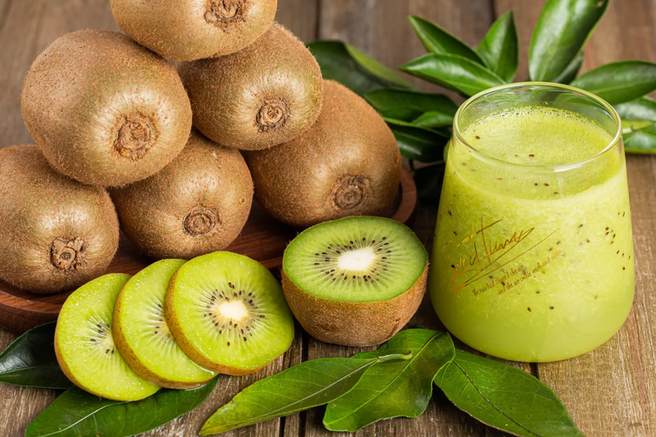
For European projects, the European Commission food-additive database provides the route to permitted uses and their conditions. Food-grade supply does not, by itself, establish permission for every beverage, dessert or confectionery formulation.
Colouring for Personal Care and Cosmetics
Green-coloured soaps, body washes, toothpaste and other personal care formulations are application areas considered for chlorophyll-derived colourants. The selected cosmetic ingredient needs to match the permitted colourant identity, intended product and labelling requirements in its market. A food E-number is not a substitute for the cosmetic ingredient assessment.
Cosmetic and food identifiers need particular care. EU food specifications list CI 75815 for E141(ii), while the chlorophyll entry in Annex IV of the EU Cosmetics Regulation uses CI 75810. These references belong to different regulatory contexts. The supplied substance and its documentation need to match the applicable entry; the numbers should not simply be swapped between food and cosmetic declarations.
Colour Strength and Stability in the Finished Formula
Sodium copper chlorophyllin gives a strong green tone, but the required addition level depends on the colour value of the grade, the target shade and the formulation. A clear beverage, an opaque wash and a solid soap have different visual backgrounds. A single universal dosage does not describe all of these systems.
Copper complexation changes the colour chemistry of the starting chlorophyll. It does not make every preparation stable across all pH values, heat treatments or storage conditions. Low-pH formulations deserve particular attention because acidic conditions can lead to aggregation and precipitation.
A 2023 study in Food Chemistry: X investigated sodium copper chlorophyllin in acidic model solutions and found that selected stabilisers changed its precipitation and storage behaviour. Those results apply to the tested systems. They support checking the full formula rather than treating water solubility or copper substitution as a guarantee of shelf-life colour retention.
For development work, the relevant observations include shade after processing, visible sediment, solution clarity and colour change during storage. The intended pH, actual heat history, light exposure and packaging belong to that assessment.
Specifications and Batch Documentation
Different projects place different emphasis on colour value, solubility, pH and impurity controls. Total copper and free copper are separate measurements; one result cannot be used as a substitute for the other. Spectral or colour-value results also need their measurement conditions to be comparable.
- Appearance and colour: the supplied form and the shade expected from the selected grade.
- Colour value or absorbance: the method, dilution and measurement conditions associated with the result.
- Solubility and pH: the specified solution conditions and behaviour relevant to the formulation.
- Copper and impurity controls: total/free copper, relevant metals and any applicable residual-solvent requirements.
- Batch traceability: the grade, lot number and test results reported in the corresponding COA.
The actual COA identifies which tests were performed for the supplied batch. Microbiological testing, individual metal results and residual-solvent data are grade- and document-specific; they are not automatically demonstrated by the CAS number or a general product description. Food and cosmetic projects may therefore require different supporting information.
Unilong Supply and Application Enquiries
Unilong’s supply enquiries cover the specification, sample needs and intended application of sodium copper chlorophyllin. Current grade information provides the basis for discussing colour requirements and the documents relevant to a project. Availability of a particular test report or specification is confirmed for the offered material.
Contact Unilong with your intended product, destination market, target shade and required quantity to discuss sodium copper chlorophyllin supply. For formulation enquiries, include the working pH and processing conditions relevant to colour stability.
Learn more about Unilong.
Post time: Nov-24-2026