

Polyethyleneimine (PEI) Cas 9002-98-6 has a wide range of applications in the textile industry and is an important functional polymer material. Its core value lies in its abundant positively charged cations and high reactivity, allowing it to combine with negatively charged fibers, dyes, and various functional reagents, thereby endowing textiles with new or enhanced properties.
The following are the main applications and values of PEI in the textile industry:
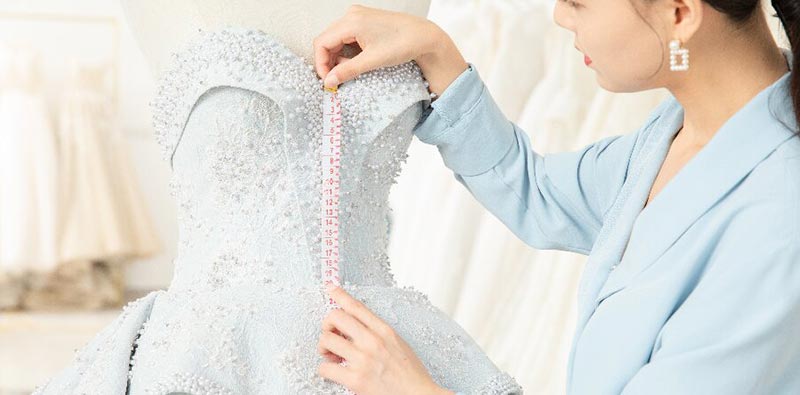
Ⅰ. Dyeing and Printing: Enhancing Color Performance and Environmental Friendliness
PEI significantly improves the dyeing and printing effects of textiles by binding its cationic and anionic dye components, while reducing pollution.
1. Increased Dyeing Depth (K/S Value) and Colorfastness:
PEI-treated fabrics such as cotton and wool exhibit significantly enhanced dye absorption, resulting in deeper and more vibrant colors. Simultaneously, various colorfastness properties of dyed and printed fabrics (such as wash resistance and rubbing resistance) are significantly improved. For example, a 2025 study showed a significant percentage increase in color intensity (K/S value) of PEI-treated fabrics.
2. Achieving Pretreatment-Free/Wash-Free Inkjet Printing:
Using hyperbranched polyethyleneimine (PEI) modified reactive dye inks (such as PEI-R218 ink), inkjet printing can be performed directly on untreated fabrics, achieving a dye fixation rate of over 98.7%. This eliminates the traditional pre-printing sizing and post-printing washing processes, significantly reducing the consumption of chemicals, water, and energy.
3. Promoting the application of natural dyes:
PEI-modified silk fabrics can effectively improve the dyeing rate and dyeing effect of natural dyes such as curcumin, promoting more environmentally friendly dyeing processes.
II. Functional finishing: Giving textiles “superpowers”
PEI is a key additive in the manufacture of functional textiles, particularly excelling in flame retardancy.
1.High-efficiency flame retardancy
Rich in nitrogen, PEI is often used as a carbon or gas source in intumescent flame retardant systems, working synergistically with other phosphorus- and silicon-containing flame retardants.
Cotton fabrics: When combined with bio-based flame retardants such as phytic acid (PA), and through ion exchange or grafting with crosslinking agents, highly efficient flame-retardant coatings can be constructed.
2. Viscose fabrics
Phosphate-esterified PEI, as a flame retardant, can increase the limiting oxygen index (LOI) of fabrics to 28.9%, achieving self-extinguishing upon removal of the flame.
3. PA56, PAN, and other synthetic fibers
Through grafting or layer-by-layer self-assembly technology, crosslinked networks can be formed, achieving durable flame retardancy. For example, PAN fabric treated with PA/PEI/APTES shows an increased limiting oxygen index (LOI) from 17.4% to 27.5%, and exhibits excellent smoke suppression properties.
4. Antibacterial and antioxidant properties
PEI itself and its metal coordination compounds (such as PEI-Cu) possess antibacterial properties. PEI-treated cotton fabrics exhibited both 83.33% antibacterial rate and 74.2% antioxidant properties in triboelectric nanogenerator (T-TENG) applications.
5. Enhanced Conductivity and Antistatic Properties:
Electromagnetic Shielding: PEI-modified polyamide (PA) yarn significantly strengthens the adhesion of the graphene oxide (GO) coating. The resulting conductive yarn maintains a high conductivity of 4.7 × 10³ S/m after 10,000 bends, achieving an electromagnetic shielding effectiveness of up to 66.7 dB.
6. Antistatic Properties
PEI enhances the hydrophilicity of fabrics, reducing static electricity buildup.
7. Wool Anti-felting
A continuous anti-felting finishing process using potassium persulfate (PMS)-PEI in a two-step process is a chlorine-free and environmentally friendly process.
8. Improved Wettability and Hydrophilicity
PEI treatment significantly improves the wettability of hydrophobic fibers such as wool, with higher molecular weight PEI showing better results.
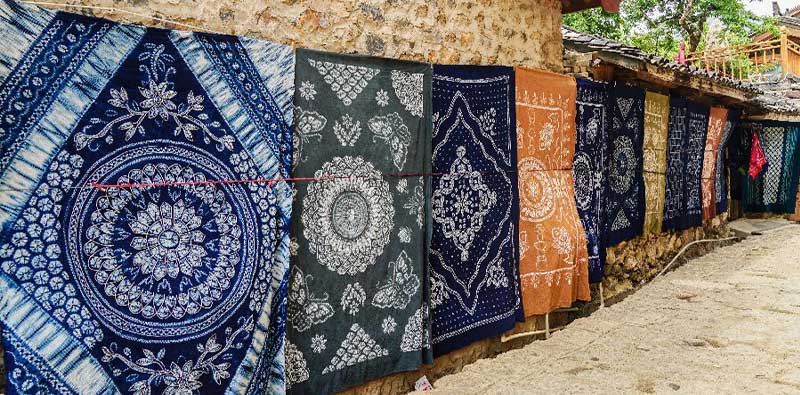
III. Surface modification: Building a functional “bridge”
PEI can be used as a “bridging layer” or “anchoring agent” for deep fiber modification.
1. Enhancing Coating Strength
As a base coating, PEI can significantly improve the loading and bonding strength of functional materials (such as MXene (Ti₃C₂Tₓ) and graphene oxide (GO)) on the fiber surface.
2. Preparation of Functional Composites
It can be used to prepare composites such as PEI@PLA aerogels for applications such as dye adsorption.
3. Catalytic Chemical Plating
As a cationizing agent, it can be used to treat cotton fibers, enabling the catalytic chemical plating of copper sulfide (CuS) onto their surface, thereby achieving conductivity.
Ⅳ.Summary
Polyethyleneimine (PEI) has value in the textile industry across all stages, from dyeing and functional finishing to the preparation of high-performance composites. It is not only a “booster” for improving the performance and environmental friendliness of traditional textiles (cotton, wool, silk), but also a key material for developing modern intelligent, protective, and high-performance textiles.
It should be noted that the application effect of PEI is closely related to its structural parameters such as molecular weight and degree of branching. In practical applications, it is necessary to select and optimize it according to the specific process.
Post time: Aug-20-2026