

In the ever-evolving landscape of personal care and cosmetics, formulators are constantly on the hunt for ingredients that not only deliver immediate results but also support long-term skin health. While hyaluronic acid and glycerin have long dominated the conversation around hydration, a quiet powerhouse has been gaining significant traction among dermatologists and cosmetic chemists alike: Hydroxyethyl Urea (HEU). Often overshadowed by its more famous cousin, urea, this unique derivative offers a compelling blend of intense moisturization, improved texture, and formulation stability without the irritation often associated with high concentrations of traditional humectants. As consumers become increasingly educated about ingredient lists and demand “clean” yet effective functional skincare, Hydroxyethyl Urea has emerged as a critical tool in the arsenal of modern beauty science, bridging the gap between clinical efficacy and sensory elegance.
I. What is Hydroxyethyl Urea?
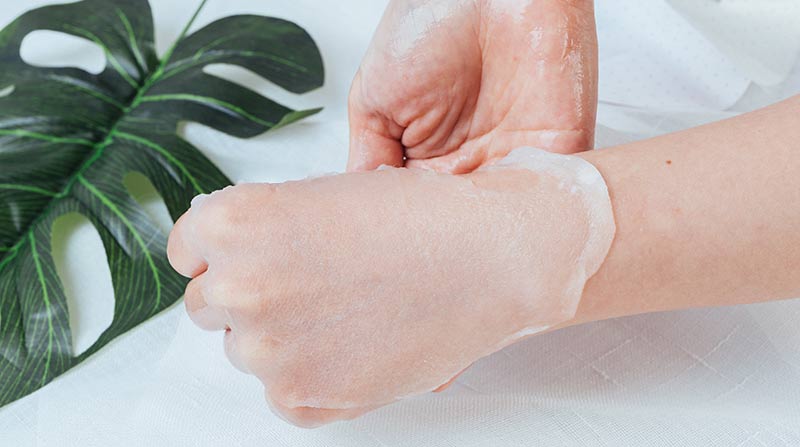
At its core, Hydroxyethyl Urea is an organic compound derived from urea, a substance naturally found in the skin’s Natural Moisturizing Factor (NMF). Chemically, it is created through the reaction of urea with ethylene oxide. This modification transforms the raw material into a highly stable, water-soluble liquid that retains the potent hydrating properties of urea while significantly improving its cosmetic elegance. Unlike pure urea, which can be crystalline and potentially irritating at high levels, HEU is a viscous liquid that integrates seamlessly into aqueous formulations. It acts primarily as a humectant, meaning it draws moisture from the environment and the deeper layers of the dermis into the stratum corneum (the outermost layer of the skin), effectively plumping the skin and reducing transepidermal water loss (TEWL).
II. Core Functions and Technical Advantages
The primary function of Hydroxyethyl Urea is deep hydration, but its utility extends far beyond simple moisturization. One of its standout technical advantages is its ability to improve the solubility of other ingredients. In complex formulations containing fragrances, essential oils, or certain active compounds that are difficult to dissolve, HEU acts as a co-solvent, helping to stabilize the formula and prevent separation or cloudiness over time. This makes it invaluable for creating clear gels, toners, and serums that maintain their aesthetic appeal throughout their shelf life.
Furthermore, HEU possesses mild keratolytic properties. While gentler than alpha-hydroxy acids (AHAs) or salicylic acid, it helps to soften and smooth the skin’s surface by encouraging the shedding of dead skin cells. This results in a refined skin texture and a brighter complexion without the stinging or redness often caused by stronger exfoliants. For formulators, another significant benefit is its compatibility. HEU is non-ionic and remains stable across a wide pH range (typically pH 3-9), allowing it to be used in everything from acidic exfoliating toners to alkaline hair removal creams without losing efficacy. It also exhibits excellent freeze-thaw stability, ensuring that products remain consistent even when exposed to fluctuating temperatures during shipping or storage.
1.Applications Across Personal Care
The versatility of Hydroxyethyl Urea allows it to shine in a diverse array of product categories. In skincare, it is a staple in moisturizers, night creams, and hydrating serums. Its non-sticky after-feel is particularly prized; unlike glycerin, which can leave a tacky residue in humid climates, HEU provides a silky, smooth finish that consumers love. It is also widely used in eye creams, where its gentle nature helps to de-puff and hydrate the delicate under-eye area without causing milia or irritation.

In hair care, HEU serves as an effective conditioning agent. By binding water to the hair shaft, it improves elasticity and reduces breakage. It is frequently found in shampoos and conditioners designed for dry or damaged hair, as well as in styling products where it helps to reduce frizz and improve manageability without weighing the hair down. Additionally, its ability to boost foam density makes it a useful additive in cleansing products, enhancing the luxurious feel of a face wash or body showergel.
Even in suncare and after-sun products, HEU plays a vital role. Sun exposure dehydrates the skin and compromises the barrier function; HEU helps to rapidly replenish lost moisture and soothe the skin, accelerating the recovery process after UV exposure. Its cooling sensation upon application provides immediate relief to sun-stressed skin.

2.Safety Profile and Skin Compatibility
Safety is paramount in modern cosmetic formulation, and Hydroxyethyl Urea excels in this regard. It is generally recognized as safe and non-toxic. Clinical studies have shown it to be non-irritating and non-sensitizing, making it suitable for all skin types, including sensitive, reactive, and acne-prone skin. Because it mimics the components of the skin’s natural moisturizing factor, it is biocompatible and works in harmony with the skin’s biology rather than disrupting it.
Moreover, HEU enhances the penetration of other active ingredients. When paired with antioxidants like Vitamin C or anti-aging peptides, it can help facilitate their delivery into the skin, maximizing the overall performance of the product. However, formulators must still exercise standard due diligence, ensuring that the final concentration aligns with regulatory guidelines (typically up to 10% in leave-on products is considered safe and effective).
III. Sourcing Quality and Visual Standards
When incorporating Hydroxyethyl Urea into a product line, the quality of the raw material is non-negotiable. High-purity HEU should be a clear, colorless to slightly yellowish viscous liquid with a faint, characteristic odor. It should be free from particulates and impurities that could compromise the clarity of a serum or the safety of the final product.
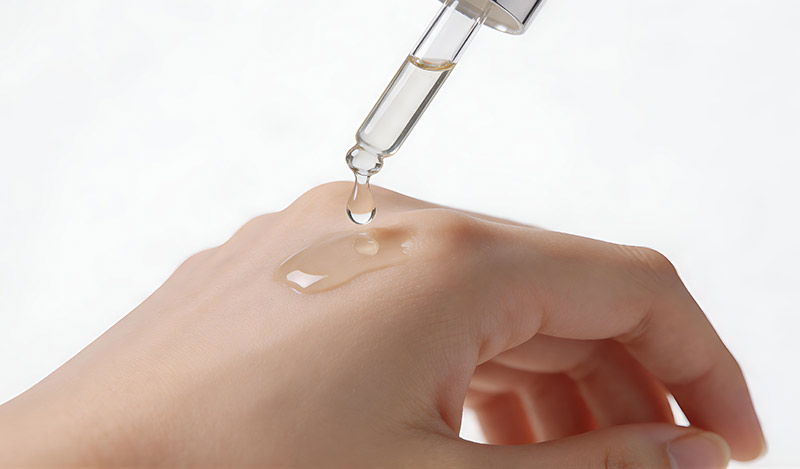
Visual inspection of the raw material is the first step in quality control. A cloudy or discolored batch may indicate degradation or contamination. Furthermore, sourcing from reputable manufacturers who provide comprehensive Certificates of Analysis (CoA) ensures that the specific gravity, refractive index, and assay content meet strict specifications. This attention to detail at the ingredient level translates directly to the efficacy and safety of the consumer product.
IV. Conclusion: A Future-Proof Ingredient
As the beauty industry continues to pivot towards multifunctional, scientifically backed ingredients, Hydroxyethyl Urea stands out as a future-proof choice. It addresses the dual consumer demand for high-performance hydration and elegant sensory experiences. Whether used to stabilize a complex antioxidant serum, boost the moisturizing power of a daily cream, or soothe sun-exposed skin, it delivers reliable, tangible results.
For brands looking to optimize their formulations, understanding the nuances of this ingredient is key. By leveraging its solubilizing, hydrating, and smoothing properties, formulators can create superior products that stand out in a crowded market.
For more detailed technical data sheets, samples, or consultation on formulating with Hydroxyethyl Urea, pls contact me. Let us help you unlock the full potential of your next skincare innovation.
Post time: Jul-20-2026