

I. Introduction
Unilong is a professional manufacturer and supplier of high-performance cosmetic ingredients, proudly offering Hinokitiol (CAS 499-44-5) – also known as β-thujaplicin – in synthetic form at high purity. Unlike natural hinokitiol extracted from limited and environmentally sensitive Cupressaceae tree sources, our synthetic hinokitiol delivers identical chemical structure and biological activity with consistent quality, stable supply, and competitive pricing. As a multifunctional monoterpenoid with potent antibacterial, antifungal, antioxidant, anti-inflammatory, and skin-brightening properties, hinokitiol has emerged as a star ingredient in modern skincare. Whether you are formulating acne treatments, anti-aging serums, brightening products, or preservative-boosting systems, Unilong’s synthetic hinokitiol offers the performance you need with the reliability you expect.
II. Product Overview
Hinokitiol (CAS 499-44-5), also known as β-thujaplicin, is a natural monoterpenoid compound belonging to the tropolone family. It was originally isolated from the heartwood of Cupressaceae trees such as Taiwan hinoki (Chamaecyparis taiwanensis) and Japanese cypress (Aomori Hiba). With a molecular formula of C10H12O2 and a molecular weight of approximately 164.20 g/mol, hinokitiol features a unique tropolone ring structure that is responsible for its remarkable biological activities.

III. Key Performance & Advantages
1.Broad-Spectrum Antimicrobial Activity
Hinokitiol exhibits potent antimicrobial effects against a wide range of bacteria, fungi, and even certain viruses. Its mechanism involves disrupting cell membrane integrity by decreasing ergosterol content in fungal membranes and increasing membrane permeability. Notably, hinokitiol has demonstrated remarkable efficacy against Methicillin-resistant Staphylococcus aureus (MRSA) – a pathogen commonly found on human skin and respiratory tracts that can cause severe skin infections, sepsis, and food poisoning.
(1) Against bacteria: Effective against Gram-positive bacteria including S. aureus and MRSA
(2) Against fungi: Inhibits Aspergillus fumigatus, Candida species, Aspergillus niger, and Penicillium citrinum
(3) Selective toxicity: Studies show hinokitiol exhibits stronger affinity to bacterial membranes than to mammalian skin cells, making it safe for topical applications
2.Potent Antioxidant Activity
Hinokitiol functions as a powerful antioxidant, effectively quenching free radicals generated by environmental pollutants and inflammatory processes. By neutralizing reactive oxygen species (ROS), it helps prevent premature skin aging, reduces oxidative damage, and protects the skin barrier. This antioxidant capacity complements its other skin benefits, making it a comprehensive anti-aging ingredient.
3.Control Anti-Inflammatory Properties
Beyond antimicrobial and antioxidant effects, hinokitiol possesses significant anti-inflammatory activity. Research has demonstrated its ability to modulate inflammatory pathways, including the TLR4/MyD88 signaling pathway, making it effective in alleviating inflammation associated with atopic dermatitis (eczema) and other inflammatory skin conditions. This makes hinokitiol particularly valuable for sensitive and reactive skin types.
4.Skin Brightening & Melanin Inhibition
Hinokitiol has been shown to inhibit melanin production by suppressing tyrosinase activity, acting as a biological lightening agent for dark spots, age spots, and hyperpigmentation. This dual action – brightening while providing antimicrobial and anti-inflammatory benefits – makes it an exceptional ingredient for comprehensive skin tone improvement.
5. Iron Chelation & Cellular Benefits
As an iron chelator, hinokitiol can modulate cellular iron levels – a property that has been linked to beneficial effects on keratinocyte differentiation and overall skin health. This unique mechanism adds another dimension to its multifunctional profile.
6. Natural Preservative Boosting
Hinokitiol’s antimicrobial properties make it an effective natural preservative booster in cosmetic formulations. It can help reduce the reliance on synthetic preservatives, supporting “clean beauty” and “preservative-free” product concepts while maintaining microbial safety.
IV. Core Application Areas
1. Acne & Blemish-Prone Skin
Hinokitiol has demonstrated exceptional potential in treating acne, eczema, and other inflammatory skin conditions by limiting microbial growth while simultaneously soothing inflammation. Its potent antibacterial activity against acne-causing bacteria (including C. acnes and S. aureus) helps reduce breakouts and promote clearer skin. The anti-inflammatory properties further help calm existing blemishes and prevent post-inflammatory hyperpigmentation.
2. Anti-Aging & Skin Rejuvenation
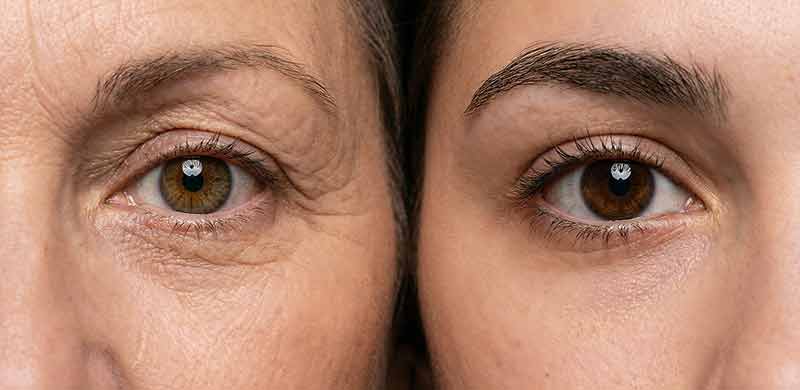
Through its powerful antioxidant activity, hinokitiol helps neutralize free radicals that cause premature aging. It improves skin texture, reduces the appearance of fine lines and wrinkles, and promotes a more youthful complexion. Its ability to support skin health while providing UV protection further enhances its value in anti-aging formulations.
3. Skin Brightening & Even Tone
Hinokitiol’s ability to inhibit melanin production makes it a valuable ingredient for brightening and spot-correcting products. It helps even out skin tone, reduce the appearance of dark spots and age spots, and promote a radiant complexion. This makes it particularly suitable for combination with other brightening agents for synergistic effects.
4. Sensitive Skin & Eczema Care
Hinokitiol’s anti-inflammatory properties and selective antimicrobial activity make it ideal for sensitive skin formulations. Studies have shown its efficacy in alleviating inflammation in atopic dermatitis models. Unlike harsh antibacterial agents that can disrupt the skin microbiome, hinokitiol offers a gentle yet effective approach to managing sensitive and reactive skin conditions.
5. Scalp & Hair Care
Hinokitiol’s antimicrobial and anti-inflammatory properties extend to scalp care applications. It helps combat dandruff-causing fungi, soothes scalp irritation, and promotes a healthy scalp environment – all essential for optimal hair growth and appearance.
6. Oral Care
Hinokitiol has been used in toothpaste and mouthwash formulations for its antibacterial properties. It helps reduce oral bacteria, prevent plaque formation, and promote gum health.
7. Natural Preservative Systems
As a natural preservative booster, hinokitiol can be incorporated into formulations to enhance microbial stability while supporting “clean label” claims. It works synergistically with other preservatives, allowing for reduced concentrations of synthetic preservatives.

V. Technical Specifications
|
ITEM |
STANDARD |
|
Appearance |
White powder |
|
Identification |
Conforms to the spectrum of the Reference substance |
|
Melting point |
48℃~54℃ |
|
Related substances (GC) |
Ethanol≤0.5% |
|
|
Unknown individual impurity≤0.1% |
|
|
Total impurities≤1.0% |
|
Heavy metals |
Lead≤10mg/kg |
|
|
Arsenic≤2mg/kg |
|
|
Cadmium≤5mg/kg |
|
|
Mercury≤1mg/kg |
|
|
Total heavy metals≤0.001% |
|
Water |
≤0.5% |
|
Residue on ignition |
≤0.1% |
|
Assay (GC) |
≥99.0% |
VI. Summary
Whether you are formulating acne treatments, anti-aging serums, brightening products, scalp care, or natural preservative systems, Unilong’s synthetic Hinokitiol (≥99%) delivers the multifunctional performance your formulations need – with the supply reliability and cost-effectiveness that synthetic production provides.
Contact us today for samples, Technical Data Sheets (TDS), or Safety Data Sheets (SDS) !
Post time: Aug-28-2026