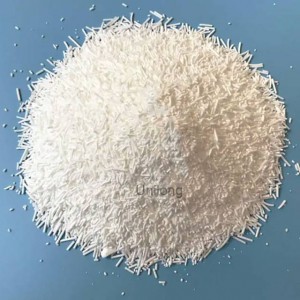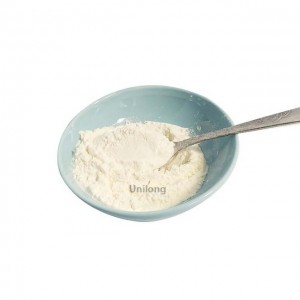

Retinyl Propionate CAS 7069-42-3


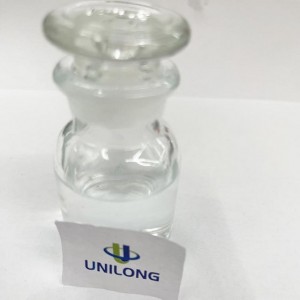
Retinyl Propionate, with CAS number 7069-42-3, has a raw material property characterized by a yellow to orange-yellow oily liquid. It is highly soluble in common skincare solvents such as ethanol and oils. It has excellent compatibility with various ingredients such as moisturizing, whitening, repairing, and antioxidant components, without causing residue, antagonism, or disrupting the formula system. It is regarded by formulae designers as a "comprehensive and error-free" anti-aging raw material.
Retinyl Propionate has an extremely wide adaptability. It is suitable for dry skin, oily skin, combination dry skin, combination oily skin, oily acne-prone skin, sensitive skin, fragile skin barrier, pregnant women, and lactating women. They can use it safely with proper addition in compliance with regulations. It is truly a "friendly to all skin types" anti-aging raw material.
| Item | Specification |
| CAS | 7069-42-3 |
| Appearance | Liquid |
| MF | C23H34O2 |
| MW | 342.51 |
Cosmetics (Mainstream)
Retinyl Propionate reduces wrinkles, promotes anti-aging, and improves roughness and acne scars; it is milder than retinol and suitable for sensitive skin; it is commonly found in serums, creams, and eye creams.
Health supplements / Food fortification
Supplements vitamin A to protect eyesight and maintain the health of skin and mucous membranes; used in soft capsules, oral liquids, and nutritional powders.
Feed additives
Vitamin A nutritional enhancement for animals (chickens, pigs, aquatic products), to improve growth and reproductive performance.
Medicine
Retinyl Propionate treats vitamin A deficiency (night blindness, dry eye syndrome); used in eye ointments and oral preparations.
• Standard Packing: 25 kg/drum
• MOQ: to be confirmed by grade and destination
• Lead Time: to be confirmed by order quantity and production schedule
• Shipping: sea / air / express options available
• Store in a cool, dry, and well-ventilated place.
• Keep container tightly closed and protected from moisture.
• Avoid direct sunlight, heat, and open flame.
• Follow SDS guidance for incompatible materials.