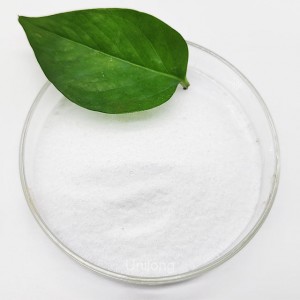

Sodium Polyaspartate (PASP) CAS 181828-06-8


Sodium polyaspartate is a water-soluble polymer for mineral-scale control, detergent co-builder systems and industrial dispersion. Also known as polyaspartic acid sodium salt or PASP-Na, it is used in circulating-water treatment, cleaning products, oilfield-water formulations and aqueous pigment or filler suspensions. Unilong serves industrial manufacturers and commercial distributors sourcing this material.
- Calcium carbonate scale-control applications
- Mineral and pigment dispersion
- Detergent co-builder and anti-redeposition applications
Product Details
| Item | Details |
|---|---|
| Product name | Sodium polyaspartate |
| CAS number | 181828-06-8 |
| Common names | Polyaspartic acid sodium salt; PASP; PASP-Na |
| Polymer character | Water-soluble, anionic polymer |
| Main functions | Scale inhibition and dispersion |
| Main markets | Industrial water treatment, detergents, pigment and filler processing |
Product Overview
PASP is used where dissolved hardness salts and suspended mineral particles create deposits or interfere with a formulated product. Its carboxylate groups interact with metal ions and mineral surfaces, supporting its use in aqueous scale-control and dispersing systems.
In water treatment, PASP helps inhibit calcium carbonate crystal growth. In washing systems, its dispersing and anti-redeposition functions complement the surfactants and other builders in the formulation. In pigment and mineral-filler processing, it serves as a dispersing or suspending ingredient. The application profile depends on water chemistry, particle surfaces and the other formulation ingredients.
PASP has a phosphorus-free polymer structure and is used in water-treatment and cleaning formulations seeking to reduce phosphorus-bearing ingredients. It can serve as the polymeric scale-control or dispersing component of a reformulated package. The finished product’s phosphorus content depends on the complete formulation, including any phosphonates or phosphates combined with the polymer.
Commercial Form Reference
| Property | Liquid reference | Powder reference |
|---|---|---|
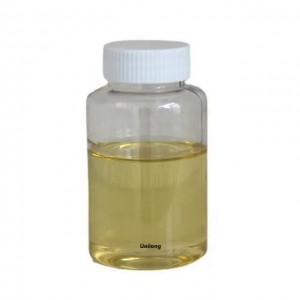
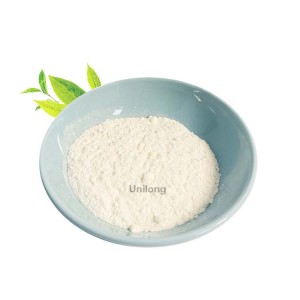
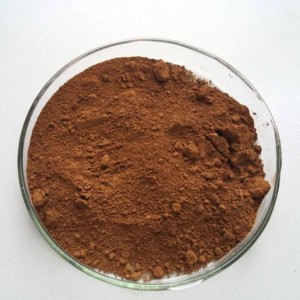
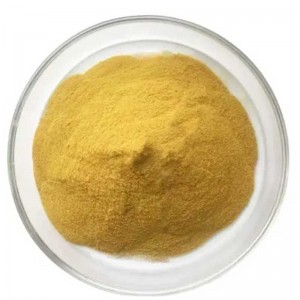
| Appearance | Brown aqueous solution | Brown, odorless powder |
| Solid component, % | 40 min | 92 min |
| Water solubility | Soluble | Very soluble |
| pH at 25°C, as a 40% solution | 7.5–10.5 | 7.5–10.5 |
Commercial reference data, not a Unilong supply specification.
Aqueous Solution
Liquid PASP is relevant to liquid water-treatment concentrates and cleaning products made by aqueous blending. It can enter the manufacturing process through liquid transfer and metering equipment without a separate powder-dissolution stage. The water carried with the polymer becomes part of the finished formulation, so the incoming concentration affects the amount of additional water used in the batch.
Color and viscosity are also relevant to the liquid product. Brown or amber raw material can contribute color to a finished concentrate, particularly at higher inclusion levels. The solution’s handling properties affect transfer through pumps, lines and dosing equipment.
Powder
Powder is relevant to dry-product manufacturing and plants that prepare a polymer solution on site. For aqueous production, the dissolution stage must deliver a uniform feed before the polymer enters the finished blend. Dissolution time, available mixing and the preparation-water composition are practical differences from receiving a preformed solution.
The powder route gives the plant control over the concentration of its prepared feed. It also introduces dry-material handling, moisture protection and dissolution equipment into the production arrangement. Powder color and particle form vary between commercial grades.
Industrial Applications
Circulating Cooling Water and Process Water
PASP is used as a polymeric scale-control ingredient in circulating cooling-water and process-water treatment, with calcium carbonate as an important target. Its inhibition of crystal growth helps address mineral deposition on heat-transfer surfaces and in water-handling equipment. Hardness, alkalinity, operating pH and concentration cycles influence the scaling conditions, while temperature and residence time affect the treatment environment. The polymer is incorporated into the water-treatment program alongside the other ingredients needed for the system, including separate corrosion-control components where required.
Detergents and Industrial Cleaning
PASP is used as a co-builder and anti-redeposition ingredient in laundry, dishwashing and industrial-cleaning formulations. Its dispersing role helps keep mineral particles and removed soil distributed in the wash liquor, supporting the cleaning system during washing and rinsing. This is relevant to hard-water cleaning, where mineral precipitation can contribute to deposits on fabric, equipment or cleaned surfaces. The formulation’s surfactants, builders, alkalinity and product format determine the polymer’s place in the blend, with anti-redeposition performance assessed in the complete washing system.
Pigment and Mineral Filler Dispersions
Sodium polyaspartate is used in aqueous pigment and filler dispersions, including systems used in paper manufacturing and construction materials. Its function is to support the distribution of particulate solids in the water phase during slurry preparation and subsequent processing. Mineral composition, particle loading and binder chemistry affect the response of the dispersion, including viscosity and settling behavior. Slurry viscosity, settling behavior and compatibility with the binder system are the main physical characteristics associated with this dispersant application.
Oilfield Water and Reinjection Systems
PASP is used in oilfield-water treatment for mineral-deposit control in water-handling systems, including reinjection-water formulations and associated pipework. The polymer supplies a scale-control and dispersing function within a treatment package selected for the brine and operating conditions. Dissolved salts, mineral-scale composition, temperature and the accompanying treatment chemicals influence its suitability for the installation. Corrosion control remains a separate part of the program, because performance against mineral deposition does not establish protection for every metal, brine or service condition.
Reverse-Osmosis Antiscalant Formulations
PASP is used in formulated antiscalants for reverse-osmosis water treatment, where mineral salts become more concentrated as water passes through the membrane system. Its function is to help control mineral-scale formation in the water-treatment process. Feed-water hardness, alkalinity, recovery and the composition of the concentrate influence the scaling conditions. The selected antiscalant formulation must be compatible with the membrane and the rest of the treatment program.
PASP is a raw material used within a formulated RO antiscalant whose composition is selected for the feed water, target mineral scales and membrane system. The finished antiscalant’s mineral-scale coverage, concentration and operating conditions determine its use in the system.
Behavior in Aqueous Formulations
PASP is an anionic polymer, and its interaction with other charged ingredients is relevant in concentrated blends. Association with cationic polymers can change the behavior of the mixture, making charge compatibility a product-specific consideration in systems containing cationic additives. For example, a blend containing a cationic polymer can behave differently from a formulation containing only anionic or nonionic components.
For mineral suspensions, dispersion performance is linked to the interaction between polymer and particle surfaces. A change in filler, pigment or solids concentration can change the amount of dispersant required and the resulting slurry behavior. For liquid treatment concentrates, the formulation’s water balance and viscosity also influence manufacture and dosing.
Packaging and Storage
Liquid PASP is commercially handled in drums and bulk containers. Powder requires closed packaging that protects the material from moisture during storage and transport. Container type and net weight must match the actual product form; liquid packaging specifications do not describe powder supply.
Store containers closed in a cool, dry, ventilated location away from direct sunlight. Protect powder packs from water exposure and contamination during opening and transfer. Handling precautions, storage limits and transport information follow the applicable product SDS and label. Pack size, MOQ and dispatch timing are included in the commercial offer.
Product Documents
Product-specific TDS, SDS and batch COA requests are handled with the proposed supply grade. Additional document requirements can be included in the commercial enquiry.
Procurement and Quality Support from Unilong
Unilong supports industrial PASP purchases with pre-shipment checks and packing and shipment coordination.
Independent Pre-Shipment Inspection
Third-party inspection can be coordinated before shipment under an agreed scope, schedule and cost.
Release After Customer Approval
Where pre-shipment sample approval is part of the order, cargo is held until customer approval.
Clear Quality and Quantity Terms
Quality and quantity requirements form part of the supply arrangement. Discrepancies are addressed with the supplying manufacturer under the agreed contract terms.
Packing and Shipment Coordination
Packing and transport arrangements are coordinated for the selected product form and shipping route. Liquid and powder orders follow their respective packing and transport requirements.
Further details are available on our Service and Support page.
Procurement FAQ
What is the current MOQ and delivery time?
MOQ and dispatch timing depend on the product form, packing and quantity and are stated in the commercial offer.
Can you arrange pre-shipment inspection?
Yes. Independent inspection can be arranged before shipment under the agreed scope, schedule and cost.
Do you accept laboratory projects or laboratory orders?
No. This product is offered for industrial manufacturing and commercial distribution.
Ordering from Unilong
Contact sales@unilongindustry.com with your required product form, specification, application, quantity and destination.
Related products and materials: HEDP 60% for Water Treatment and Detergents · Cleaning Agent Materials.