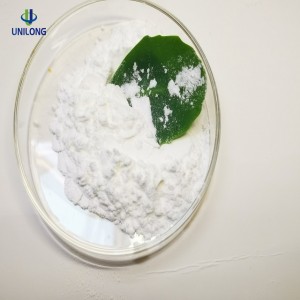

Sodium Lauroyl Methylaminopropionate CAS 21539-58-2


Product Overview
Sodium Lauroyl Methylaminopropionate is an N-methyl-beta-alanine derived surfactant used in rinse-off hair and skin cleansing products. It can function within the main surfactant base or as a co-surfactant alongside other cleansing ingredients. The material is relevant to formulations that combine foam generation with a defined liquid or gel texture. Its use extends from weakly acidic wash systems to appropriately formulated soap-containing cleansers.
Technical Profile
| Item | Details |
|---|---|
| INCI name | Sodium Lauroyl Methylaminopropionate |
| EC number | 244-429-3 |
| Surfactant family | N-acyl amino acid surfactant |
| Ionic character | Anionic |
| Chemical synonym | Sodium N-lauroyl-N-methyl-beta-alaninate |
| Molecular formula of the surfactant salt | C16H30NNaO3 |
| Molar mass of the surfactant salt | 307.40 g/mol |
Formulation Characteristics
Blending with Amphoteric Surfactants
Cocamidopropyl Betaine is an established co-surfactant for this ingredient in liquid wash bases. In mildly acidic systems, the combination can contribute to viscosity development as well as cleansing. The surfactant ratio and pH influence that response, allowing the base composition to play a role in product texture. This is useful in wash formulations where the surfactant package contributes to consistency alongside any separate thickening ingredients.
Clear, Weakly Acidic Cleansing Systems
Sodium Lauroyl Methylaminopropionate has established use in clear solutions under weakly acidic conditions. It therefore offers a formulation option for transparent shampoos and facial cleansing gels. Such products combine the cleansing function of the surfactant with the visual requirements of a clear wash base. Fragrance solubilizers, humectants and other surfactants form part of these systems, with the finished appearance developed around the full ingredient combination.
Interaction with Conditioning Polymers
In shampoo systems, this anionic surfactant can form complexes with cationic conditioning polymers. These interactions become relevant during dilution and rinsing and can contribute to the development of hair feel. Polyquaternium-10 is one established partner in shampoo formulations containing the ingredient. This pairing combines a cleansing component with a separate conditioning polymer, providing a formulation route for shampoos in which rinse feel is part of the product design.
Applications
Facial Cleansing Gels
Sodium Lauroyl Methylaminopropionate can be used as a cleansing and foaming component in transparent facial wash gels. Weakly acidic bases are a relevant format, including blends with amphoteric surfactants and humectants. In these products, the surfactant contributes to removing wash-off soils and generating foam, while the base also carries ingredients selected for product feel and fragrance.
Soap-Based Facial Cleansing Pastes
The ingredient also has application in soap-based facial cleansing pastes. In this format, fatty acids neutralized with alkali form the soap component, and Sodium Lauroyl Methylaminopropionate contributes an additional surfactant to the cleansing blend. Relevant bases can include lauric, myristic, palmitic and stearic acids alongside humectants and structuring ingredients. The material's role here is as a co-surfactant within a paste system, extending its use beyond transparent liquid cleansers. The paste texture comes from the complete base composition.
Daily and Mixed-Surfactant Shampoos
In daily shampoos, the material can be incorporated alongside betaines, taurates and other anionic surfactants. Formulation combinations include conventional Sodium Laureth Sulfate systems as well as bases using amino acid surfactants. The ingredient contributes to the cleansing and foaming package and can participate in the viscosity response of the blend. This makes it relevant to shampoos where the surfactant combination has to address wash performance, product consistency and the incorporation of fragrance in the same liquid base.
Conditioning and Silicone-Free Shampoos
Conditioning shampoos can combine this ingredient with Polyquaternium-10 and a mixed surfactant base. A silicone-free formulation direction uses it alongside Sodium Methyl Cocoyl Taurate, Cocamidopropyl Betaine and an alkyl glucoside. The surfactants provide the cleansing system, while the polymer supplies a distinct conditioning component. This combination is also relevant to sulfate-free shampoo concepts. It brings together amino acid, amphoteric and nonionic surfactants within one wash formula, with the final conditioning character developed through the polymer and surfactant balance.
Body Washes and Shower Cleansers
For body washes, Sodium Lauroyl Methylaminopropionate can be incorporated into mixed cleansing bases with betaines and taurates. Both weakly acidic shower products and soap-containing body washes are relevant application formats. Foaming body wash systems can include glycerin and other humectants, while oil-containing products also require suitable solubilizing or dispersing ingredients. The material supplies a cleansing and foaming component in these combinations. The resulting product may be a pourable wash or a more structured cleansing base, depending on the formulation.
Formulation Combinations
| Companion ingredient | Application direction |
|---|---|
| Cocamidopropyl Betaine | Mixed cleansing bases and viscosity development |
| Polyquaternium-10 | Conditioning shampoo systems |
| Sodium Methyl Cocoyl Taurate | Shampoo and body wash surfactant blends |
| Alkyl glucosides | Mixed surfactant shampoo bases |
| Fatty acid soap components | Facial cleansing pastes and soap-containing body washes |
Commercial Liquid Supply
Commercial packing and shipping marks are agreed for the selected liquid supply. Storage and handling follow the product-specific SDS and container instructions.
Why Choose Unilong
Product and Batch Documents
We coordinate available specifications, TDS, SDS and applicable batch COA documents for the selected material.
Factory Visits and Audit Coordination
We help arrange manufacturing-site visits and buyer-appointed audits. Access, scope and timing are agreed with the manufacturer.
Pre-Shipment Inspection
Third-party inspection and pre-shipment sample approval can be coordinated under the agreed inspection and release conditions.
Packing and Shipment Records
We coordinate shipment paperwork and agreed packing or loading photographs with the supplying and logistics parties.
Procurement FAQ
Can I request a sample?
Yes. Evaluation samples can be arranged, with quantity, packaging and availability agreed for the selected material.
Can you review a target specification?
Yes. Enquiries against an existing specification are accepted for concentration, composition and test requirements.
What are the MOQ and lead time?
MOQ and current lead time are confirmed with the quotation for the requested quantity and destination.
Can I request a different pack size?
Available container options and net weight are agreed for the material and order.
Ordering from Unilong
For commercial supply, send your target specification, application, estimated quantity and destination, together with packaging and document requirements. Unilong can discuss the liquid raw material for your facial cleanser, shampoo or body wash project.