
Polylysine CAS 25104-18-1 for Food Preservation

Polylysine Product Overview
Polylysine (CAS 25104-18-1) is a lysine-based cationic polymer. In commercial food-preservation applications, ε-poly-L-lysine is valued for its antimicrobial activity and water solubility. It is used in selected prepared-food preservation systems and is also considered in personal-care formulations where a positively charged polymer is useful.
Unilong supplies chemical ingredients to industrial customers and handles polylysine sourcing inquiries by material identity, intended application, and required commercial quantity. ε-Polylysine, ε-polylysine hydrochloride and α-polylysine are different materials. The commercial offer identifies the appropriate polymer form and active-content basis for the intended manufacturing application. Clear material identification is particularly important when a polylysine grade is sourced for regulated food use.
For food-preservation applications, Unilong handles enquiries by specified ε-polylysine form, finished-food category and destination market. The applicable food-use documentation is linked to the proposed material, not to the generic product name.
Polylysine Product Information
| Item | Description |
|---|---|
| Product name | Polylysine / Poly-L-lysine |
| CAS number | 25104-18-1 |
| Chemical family | Lysine homopolymer; cationic polyamino acid |
| Food-preservation form | ε-Poly-L-lysine (form and counterion specified by grade) |
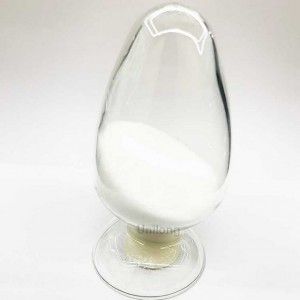
| Appearance | White to pale-yellow powder for common dry commercial forms |
| Solubility | ε-Polylysine is water-soluble |
| Molecular weight | Dependent on polymer structure and selected grade |
| Application sectors | Prepared foods, bakery, seafood, cosmetics and selected hygiene products |
Properties Relevant to Industrial Applications
Microbial Growth Control
ε-Polylysine can inhibit a range of bacteria, yeasts and molds. Performance depends on the food matrix, concentration and the other components of the preservation system.
Aqueous Formulation Use
Its solubility in water supports incorporation into water-based formulations, including selected prepared-food applications.
Heat-Related Stability
ε-Polylysine has documented stability under certain heating conditions. Suitability depends on the processing conditions of the intended product.
Surface Interaction
The positive charge of ε-polylysine also makes it relevant to certain conditioning and surface-interaction applications outside food processing.
Polylysine Applications
Cooked Rice & Ready-to-Eat Meals
ε-Polylysine is used in preservation systems for cooked rice, sushi ingredients and selected ready-to-eat meals. Its antimicrobial properties make it relevant to prepared-food manufacturing where microbial stability matters during distribution. Product sourcing can be aligned with the required active content, food category and packing volume for repeat production.
Bakery & Filled Foods
Steamed breads, custard cream and other moisture-containing bakery products are among established application areas for ε-polylysine-based preservation systems. These products have different moisture levels and ingredients from dry bakery goods. Manufacturers may incorporate ε-polylysine as one component of an approved preservation system while considering texture, flavor and manufacturing requirements.
Seafood & Prepared Proteins
Polylysine-based antimicrobial systems are considered for selected cooked seafood, fish-based preparations and ready-to-eat protein foods. These applications have distinct processing and distribution conditions from bakery or rice products. The supplied grade and relevant food-use status are therefore identified for the actual finished-food category rather than generalized across all seafood and meat products.
Soups & Noodle Products
Water-soluble ε-polylysine can be incorporated into selected soups, noodle preparations and savory ready meals. Liquid and semi-liquid foods can differ substantially in acidity, salt, protein and other dissolved ingredients. Polylysine grades are discussed according to the formulation format and the declared active content of the material supplied, including whether the ingredient is a powder, liquid or formulated blend.
Cosmetics & Hair-Care Products
Beyond food preservation, ε-polylysine is used in certain personal-care products, including hair-care and skin-care formulations. Its cationic properties support interaction with negatively charged surfaces. Cosmetic applications are handled as a separate commercial sector: the ingredient identity, INCI designation and supporting formulation documents should correspond to the actual polymer structure and material offered.
Hygiene & Household Formulations
Selected hygiene, deodorizing and household formulations also use the cationic functionality of ε-polylysine. Examples include applications where interaction with surfaces or negatively charged components is relevant. These projects are quoted according to their individual technical specification and should not be represented as equivalent to a food-preservation grade without matching material documentation.
Product Forms and Technical Parameters
Commercial materials sold under the polylysine name may be supplied in different forms. Polymer linkage, salt form, active-content basis and the presence of any carrier distinguish commercial materials sold as polylysine. Common presentations include dry powders, aqueous solutions and formulated blends. A concentrated powder, aqueous solution and carrier-containing blend are not equivalent on a weight-for-weight basis. Where the customer specifies ε-polylysine for food use, the quoted material description also records the relevant form and composition.
| Technical Parameter | Commercial Specification Basis |
|---|---|
| Polymer identity | ε or α linkage and relevant salt form |
| Active content / assay | Defined for the named commercial grade |
| Appearance | Defined by physical form and formulation |
| Loss on drying | Specified for dry grades |
| pH | Measured under specified test conditions, where applicable |
| Ash / residue and trace metals | Grade and application dependent |
| Microbiological parameters | Applicable to food-use specifications where required |
Commercial specifications include an identity statement and the test parameters appropriate to the selected grade. These may cover polymer content, loss on drying, pH, residue, trace metals and microbiological indicators. Batch test results belong to the actual production lot; a COA from a different commercial material does not establish the specification of the offered grade. Product-specific COA, TDS and SDS requirements can be addressed in the quotation inquiry.
Packaging, Storage and Bulk Orders
Common commercial packing formats for polylysine powders include sealed inner bags packed in cartons and larger drum packaging. The following formats can be included in a packaging enquiry:
Final packing availability, liner and net weight are stated on the commercial offer for the selected material.
Store commercial dry material in tightly closed packaging in a dry environment protected from excess moisture and direct sunlight. Refer to the product-specific storage and shelf-life information for the actual grade.
Unilong handles polylysine enquiries for industrial quantities, including scheduled commercial purchases. Offers are prepared with the material identity, packing format, volume and destination together, so the shipment and supporting product information relate to the same proposed grade.
About Unilong
Unilong Industry Co., Ltd. is a Jinan-based manufacturer and distributor of fine chemical materials. The company works with overseas industrial customers on chemical ingredient sourcing and product supply.
For polylysine projects, our commercial team focuses on the requested application, specific polymer form, required technical parameters, order quantity and packing configuration. Contact us for a grade-specific quotation and supporting product information.
Frequently Asked Questions
Is CAS 25104-18-1 the same as ε-polylysine hydrochloride?
The polylysine name is used for related lysine polymers, while ε-polylysine hydrochloride identifies a particular salt form. The exact structure and salt form are specified in the commercial grade description.
Can this polylysine be used in food products?
Food applications depend on the exact ingredient form, food category and destination market. The food-use status of a proposed grade must match the intended regulatory requirements.
What is the difference between powder, solution and blends?
Physical form and active polymer concentration vary. Packing weight alone does not establish equivalent active content, so the product offer identifies the material form and composition.
Which packaging formats are available for quotation?
Common formats include 1 kg inner bags in 10 kg or 20 kg cartons, and 25 kg drums. Commercial packing is confirmed with the proposed grade.
How are COA, TDS and SDS handled?
Documentation is matched to the named material and supply source. Document requests are addressed during the quotation process, with batch-specific COA information tied to the relevant production lot.
What is the MOQ and delivery schedule?
Minimum order quantity and shipment timing are quoted for the selected grade, pack configuration, order volume and destination.
Request a Polylysine Quotation
Contact Unilong about Polylysine CAS 25104-18-1 for industrial food-preservation or selected personal-care applications. We can discuss the material form, specification, packaging and commercial order requirements for your project.