
Papain Enzyme Powder CAS 9001-73-4


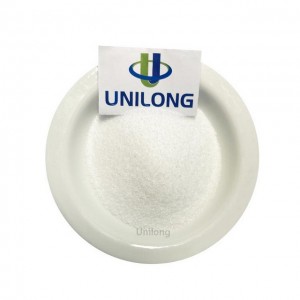
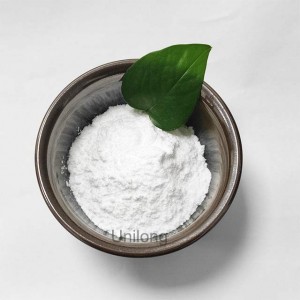
Unilong supplies papain enzyme powder for commercial protein processing. The powder is white to light yellow, with a declared enzyme activity of ≥200,000 U/g and a standard pack size of 25 kg per drum.
Papain is obtained from Carica papaya latex. Its industrial applications include plant and animal protein hydrolysis, meat tenderizing, beer chillproofing and gluten modification in biscuit and cracker production.
Quick Procurement Facts
| Item | Details |
|---|---|
| Product | Papain enzyme powder |
| CAS number | 9001-73-4 |
| Enzyme classification | Cysteine endopeptidase; EC 3.4.22.2 |
| Common synonym | Papaya peptidase I |
| Physical form | Powder |
| Principal function | Protein hydrolysis and protein structure modification |
Product Characteristics
Papain has broad activity towards peptide bonds in proteins. During hydrolysis, it breaks larger protein molecules into smaller peptide fragments. This action supports both extensive protein breakdown for hydrolysate ingredients and more limited protein modification for texture control.
Papain is soluble in water and practically insoluble in alcohol. Aqueous solutions can be colorless to light yellow and slightly opalescent. Water-based processing makes use of this solubility in protein-containing mixtures.
Its action on plant proteins, muscle proteins and gluten supports different industrial effects. Hydrolysate production uses peptide formation; meat and dough applications use changes in protein structure to alter texture or handling.
Papain Powder Specifications
| Test item | Specification |
|---|---|
| Appearance | White to light yellow powder |
| Odor | Light papaya odor |
| Enzyme activity | ≥200,000 U/g |
| Loss on drying | ≤5.0% |
| Loss on ignition | ≤5.0% |
| Lead, Pb | ≤5.0 mg/kg |
| Arsenic, As | ≤3.0 mg/kg |
| Total plate count | <10,000 CFU/g |
| Yeasts and molds | ≤100 CFU/g |
Industrial Applications
The applications below describe established processing uses of papain. Food and feed applications require a suitable supply grade and documentation for the destination market.
Plant Protein Hydrolysates
Papain is used in the hydrolysis of soy, wheat, pea and other pulse proteins. It produces smaller protein fragments for hydrolyzed protein ingredients and savory flavor preparations. Proteolysis can also reduce viscosity in suitable plant-protein systems.
This application serves ingredient manufacturers processing vegetable proteins into a different functional or flavor profile. The extent of hydrolysis influences the peptide mixture and the properties of the resulting ingredient. Protein source, enzyme addition and reaction duration affect the outcome, so a soy-based hydrolysate and a wheat-based ingredient can respond differently to the same enzyme treatment.
Meat, Fish and Savory Ingredients
Papain is used to hydrolyze meat and fish proteins for soup stocks, meat flavors and other savory preparations. Industrial uses also include gelatin processing and fish-sauce production.
In these processes, protein breakdown is part of ingredient manufacture. The target is a hydrolysate or flavor preparation with characteristics appropriate to its downstream use. Papain acts on the available protein during the hydrolysis stage; the raw material and reaction intensity influence the resulting mixture. Animal-protein hydrolysis also supplies savory components for pet-food flavor preparations, linking the enzyme's protein-processing role with feed-ingredient manufacturing.
Meat Tenderizing
Papain is an active ingredient in commercial meat tenderizers. Proteolysis weakens protein structures that contribute to toughness, allowing changes in the texture of beef, pork, poultry and other protein foods.
Tenderizing uses a controlled degree of protein breakdown while retaining the structure required in the finished food. Enzyme distribution and contact time influence the uniformity and extent of treatment. Excessive softening can produce a crumbly or overly weak texture. This makes texture retention an important part of the application, alongside the intended reduction in toughness.
Beer Chillproofing and Clarification
Breweries use papain for protein hydrolysis associated with chillproofing. The treatment targets proteins involved in haze formation and can support beer clarification during processing and cold storage.
Commercial papain brewing preparations have been applied during mashing, fermentation and post-fermentation processing. The addition stage affects the enzyme's contact with the beer and its place in the brewery's filtration and conditioning sequence. Brewing use therefore involves a defined treatment stage and an appropriate preparation. Papain-based haze control addresses a protein-related cause of instability in packaged beer. Its treatment stage can be positioned around the existing clarification and conditioning operations.
Biscuits, Crackers and Dough Modification
Papain modifies gluten proteins and can reduce dough resistance during biscuit and cracker manufacture. Its action can support dough relaxation, reduce spring-back after shaping and improve flow in suitable bakery processes.
Gluten modification changes how the dough behaves during mixing and forming. The useful degree of treatment is determined by the structure required in the finished product: a dough requiring extensive relaxation has a different target from one needing stronger protein structure. Flour properties and the time between mixing and baking influence the extent of enzyme action. Papain is therefore used for a defined dough-processing effect.
Processing Characteristics
Papain hydrolysis is affected by enzyme addition, protein concentration, pH, temperature and contact time. Together, these variables influence the extent of protein breakdown and the resulting peptide profile or texture.
Heat exposure also affects enzyme activity. A reaction-temperature setting and an extended holding period have different implications for the enzyme's remaining activity. During powder handling, minimize dust generation and avoid inhalation. Enzyme proteins can cause sensitization. Suitable exposure controls are important during weighing, transfer and charging.
Packaging and Storage
Papain powder is supplied in 25 kg drums.
Store in a cool, dry place, protected from direct sunlight and moisture. Keep the container closed between uses and use clean, dry equipment when withdrawing powder. Moisture exposure and adverse storage conditions can reduce enzyme activity.
For opened containers, prompt reclosing helps limit moisture uptake and contamination. Moisture protection remains important throughout repeated opening and use.
Services for Your Papain Supply
Unilong supports papain purchasing with product documents, samples for production evaluation, factory visits and pre-shipment inspection arrangements.
Papain Specifications and Batch Documents
We coordinate the available specification, TDS, SDS and lot-specific COA for the selected papain grade. Questions about enzyme activity methods and product composition are directed to the relevant supplying team.
Samples for Production Evaluation
Papain samples can be arranged ahead of commercial purchasing. The selected grade, sample quantity and dispatch arrangements reflect the intended production evaluation.
Factory Visits and Audit Coordination
We coordinate supplier questionnaires, factory visits and third-party audit requests with the relevant manufacturing site. Access, audit scope and timing are agreed with the manufacturer and buyer.
Pre-Shipment Inspection and Sample Approval
Third-party inspection can be arranged with your appointed provider. For orders requiring pre-shipment sample approval, dispatch follows buyer approval under the agreed release arrangements.
See our Service and Support page for further details.
Papain Procurement FAQ
Can you arrange a sample before bulk purchasing?
Yes. Industrial evaluation samples can be arranged ahead of commercial supply. Sample quantity and dispatch timing are agreed for the selected material.
Can you coordinate a pre-shipment inspection?
Yes, by arrangement with the supplying site and your appointed inspection provider.
Is USP conformity claimed for this grade?
USP conformity is not claimed for the listed supply grade.
Request Papain for Commercial Supply
Contact Unilong for papain powder supply. Include your required activity and assay method, application, quantity and destination.