

Zinc dihydrogen phosphate (CAS 13598-37-3) supplies zinc and phosphate to acidic baths used to pretreat metal before painting, powder coating or electrocoating. The bath forms a crystalline phosphate layer on the metal. This layer provides a base for the finish, and its performance depends on the substrate, bath chemistry and coating system.
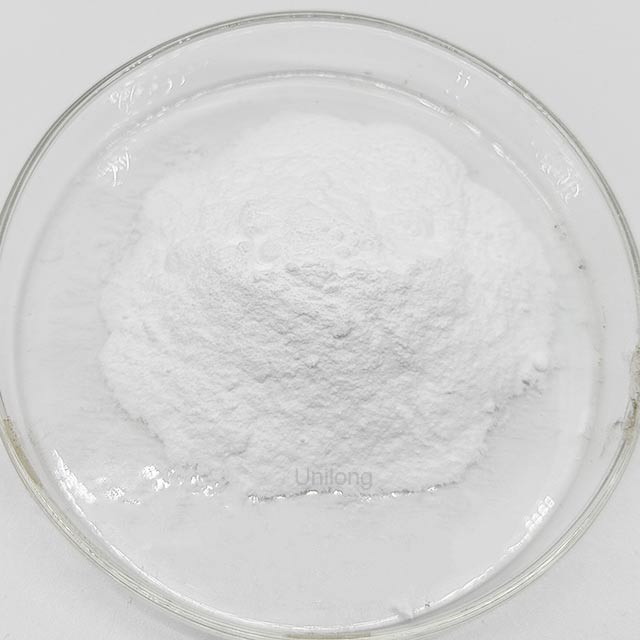
How the Zinc Phosphate Layer Forms
In a zinc phosphating line, cleaned parts pass through a spray or immersion stage. As the acidic bath reacts with the metal, the pH rises near the surface and insoluble phosphate crystals precipitate there. On steel, the layer can contain both zinc phosphate and zinc–iron phosphate. The European Commission reference on metal surface treatment describes the reaction and how it varies with the substrate.
Zinc dihydrogen phosphate is the acidic bath ingredient. Zinc phosphate (CAS 7779-90-0), also sold as an anticorrosive pigment, is a different material. Specify the CAS number when sourcing the bath ingredient, especially if a quotation uses the shorter name “zinc phosphate.”
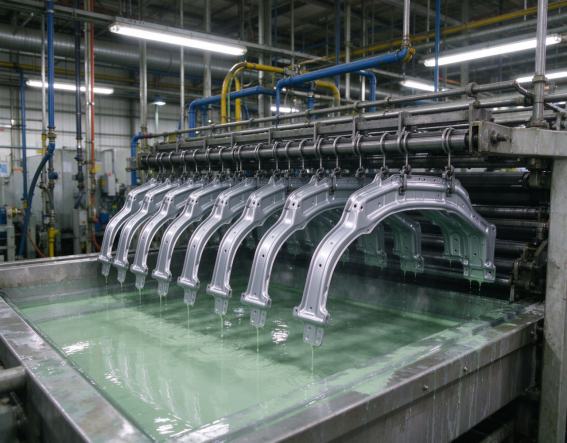
Why Steel and Galvanized Parts Behave Differently
Bare steel can supply iron to the conversion layer. Galvanized steel presents a zinc surface, so the same bath can produce a different coating structure. Mixed-metal assemblies containing aluminum need bath chemistry selected for the substrates on the line. IGP’s metal pretreatment guide describes how these differences affect pretreatment before powder coating and electrocoating.
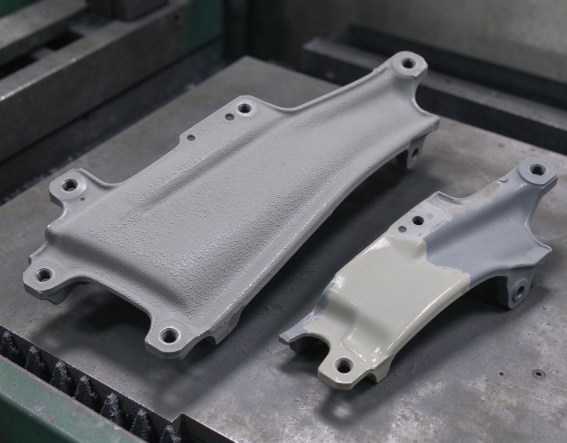
The conversion layer supports adhesion and corrosion resistance as part of the finished coating system. Use representative parts or panels to check phosphate coverage and coating mass where specified, then assess adhesion and corrosion performance after applying the intended finish. A uniform gray surface is a visual check. The finished coating tests show how well the full system performs.
Bath Checks Before Switching Raw Material
When a fresh lot changes how a bath runs, compare free acidity, total acidity and accelerator level with the operating ranges for the line. If coating coverage changes, look at upstream cleaning, activation and rinse carryover as well. A change in coating appearance can have several causes, even when the raw material carries the same CAS number. SUR/FIN guidance on pretreatment chemistry and controls.
When comparing incoming zinc dihydrogen phosphate (CAS 13598-37-3) grades, check the stated hydrate form, the basis of the assay and any free-acid value reported on the certificate of analysis. Use the same basis for both grades before comparing the quantities they contribute to the bath.
For company information, see the About Unilong page.
Post time: Nov-11-2026