

Sodium coco sulfate (SCS, CAS 97375-27-4) is an anionic surfactant used for cleansing and foaming in personal-care products. High-active solid grades are useful in shampoo bars and dry bath products, while suitable grades can also be incorporated into liquid cleansers. Its value lies in matching the physical form, active content and processing behavior to the finished format.
SCS is made by sulfating coconut-derived fatty alcohols and neutralizing the resulting sulfate esters. It represents a distribution of alkyl-chain components rather than one uniform molecular species. Needle and powder grades provide concentrated surfactant with relatively little water; Unilong’s published needle-grade specification lists active ingredient content of at least 90%. The active content and supply form should remain distinct from the percentage used in a finished formula.
SCS Applications in Solid and Liquid Personal Care
1. Shampoo Bars
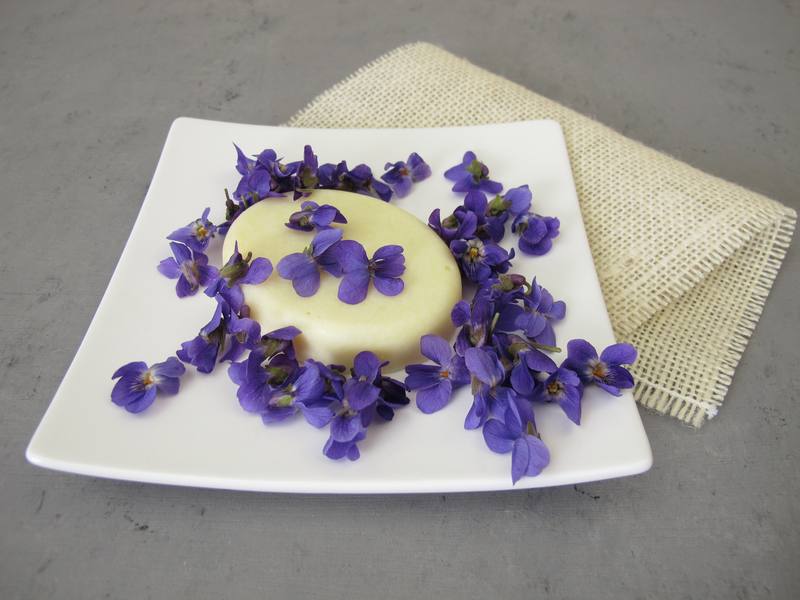
The solid form of SCS makes it a practical primary surfactant for shampoo bars. It can be incorporated into systems containing humectants, fatty alcohols and other structuring ingredients, with the process selected for the intended bar texture. A high-active raw material offers flexibility in low-water formulations, but the bar’s hardness, lather and feel depend on the full ingredient balance.
A specific example is Colonial Chemical’s Hot Pour Moisturizing Shampoo Bar, formulation 1050. It contains 33% Colonial SCS as supplied, together with glycerin, cetearyl alcohol and added water. The published process heats the mixture to 65–70 °C and dissolves the needles before the remaining manufacturing steps. The reported finished pH is 5.5–6.0. These values describe that reference formula and grade, rather than a universal SCS addition rate or process.
SCS can also be evaluated in blended surfactant bars, including systems using sodium cocoyl isethionate (SCI) or sodium lauryl sulfoacetate (SLSA). The blend ratio and total surfactant active level influence performance. A co-surfactant choice alone does not establish the mildness of the finished bar.
2. Bath Bombs and Other Solid Cleansers
Powdered SCS can provide foam and cleansing in dry bath products when they contact water. Particle form and dispersion matter because the surfactant must be distributed through the solid mixture and released during use. Moisture control also matters for keeping the product in the intended dry condition.
Lush’s SCS ingredient information illustrates the distinction between supply forms: its UK operation describes powder for dry products such as bath bombs, needles for solid haircare, and paste for liquid products. This is an example of a brand’s sourcing choices; the available form and composition depend on the supplier.

3. Shampoos, Body Washes and Liquid Cleansers
SCS is not restricted to solid formats or to paste grades when used in liquids. Suitable dry grades can be dissolved into an aqueous formulation. In shampoos, body washes, hand washes and facial cleansers, SCS contributes anionic cleansing and foam, while co-surfactants and other ingredients shape viscosity, rinse-off and skin feel.
A published Cosphatec body-wash reference formulation uses 5.5% Sulfopon 1216 G alongside coco glucoside, cocamidopropyl betaine and cocoyl glutamate ingredients. Its first phase is dissolved at 40 °C, and the finished pH is adjusted to about 5.5. This separate example shows why an incorporation temperature must be linked to the selected grade and complete formulation.
4. Other Cleansing Products
SCS also appears in other cleansing applications, including oral care. Innospec lists selected SCS grades for foaming and wetting in oral-care products. This identifies a documented application area; it does not make every industrial or personal-care grade interchangeable with an oral-care grade. Composition, impurity controls and the intended product requirements remain part of grade selection.
Advantages and Characteristics of SCS
Foam and Cleansing Performance
SCS offers cleansing power and a lather profile that can be useful in solid bars and rinse-off products. Rich or creamy foam is a sensory target, and the result changes with surfactant concentration, co-surfactants, oils and other ingredients. Foam appearance and cleansing performance are related formulation considerations, rather than interchangeable measurements.
Viscosity Response in Mixed Systems
Stepan’s STEPANOL DCFAS-P bulletin describes a high-active powder grade that provides a more rapid viscosity response than the SLS, SLES and AOS comparators discussed in that document. This is supplier information for a particular grade. Viscosity in a new formula still depends on the surfactant blend, electrolyte level and other components; the claim should not be transferred to every material sold as SCS.
Flexibility Across Product Formats
Needles, powder and paste offer different routes into a formulation. A dry high-active grade can support a solid-product concept, while a liquid cleanser requires an appropriate dissolution or incorporation process. Substitution for another anionic surfactant changes the active balance and may affect viscosity, foam and processing. Replacing a betaine or alkanolamide also changes the blend’s functions, so a simple one-for-one replacement is not a general rule.
Practical Formulation Considerations
Active Content and Incorporation
The raw-material addition rate should be distinguished from the amount of surfactant active delivered. Needle size, powder fineness, moisture and the surrounding formulation influence how readily SCS disperses or dissolves. The hot-pour shampoo-bar example and the body-wash example use different conditions; neither establishes a single temperature required for all solid and liquid products.
pH and Finished-Product Feel
The pH reported for a diluted raw-material test is not the pH of a finished cleanser. Unilong lists pH 7.5–10.5 for a 1% aqueous solution of its needle grade. A finished formula may be adjusted to a different target, as the reference formulations illustrate. The finished specification should identify the relevant pH measurement conditions.
Mildness depends on the complete formula, its concentration in use and exposure conditions. SCS can have irritation potential as a sulfate surfactant, and a coconut-derived feedstock does not establish suitability for sensitive skin or dry, processed hair. Co-surfactants and conditioning ingredients can be part of the formulation approach, with the finished product evaluated for its intended users and use conditions.
Conclusion
Sodium coco sulfate provides a practical combination of cleansing, foam and supply-form options. Solid high-active grades are particularly relevant to shampoo bars and dry bath products, while suitable grades also serve liquid cleansers. Physical form, active content, incorporation conditions and the complete surfactant system provide the basis for selecting a grade and developing a consistent finished product.
For sodium coco sulfate needle-grade specifications, available quality documents and supply enquiries, contact Unilong Industry Co., Ltd..
Post time: Nov-24-2026