

1,2,3,6-Tetrahydrophthalic anhydride (THPA, CAS 85-43-8) is a cyclic acid anhydride used as an epoxy resin curing agent and a raw material for polyester and alkyd resins. It also serves as an intermediate in selected fine-chemical syntheses. Its value in electrical insulation, coatings and composite materials comes from the way its anhydride functionality participates in the finished resin system.
Commercial THPA is commonly supplied as a white crystalline or flaked solid. Its physical form, colour and chemical composition matter during formulation, while the electrical, thermal and mechanical properties of the final material depend on the complete resin formulation and cure schedule.
Main Applications of THPA
Epoxy Curing and Electrical Insulation
As an anhydride hardener, THPA is used in epoxy formulations where electrical insulation, dimensional stability and heat resistance are important. Solid THPA is among the curing agents used in transfer-moulding systems, as described in manufacturer technical literature on epoxy curing agents.
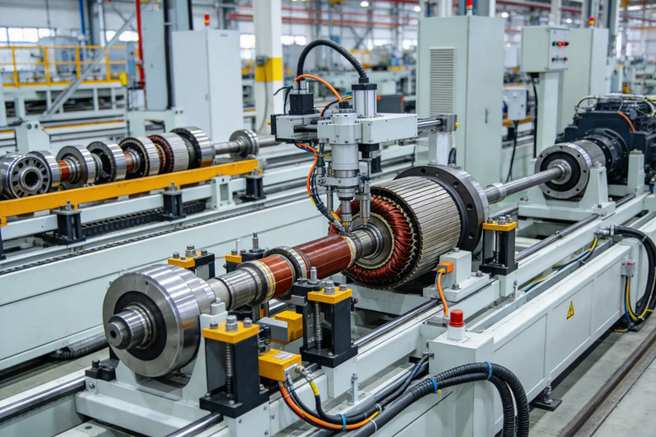
The wider anhydride-cured epoxy family is used in casting, impregnation, encapsulation and composite applications. Electrical components, motor insulation systems and electronic potting compounds are relevant formulation areas. The selected THPA system needs to deliver the required combination of flow during processing and cured performance in service; the raw curing agent alone does not establish an insulation rating or service temperature.
Polyester, Alkyd Resins and Industrial Coatings
THPA is also used as a building block in polyester and alkyd resin manufacture. In this role it becomes part of the resin structure, rather than functioning only as an epoxy hardener. These resin families serve coatings and other formulated materials.
THPA-based modifications can support air-drying behaviour in suitable unsaturated polyester formulations, including resin putties and air-drying coatings. Film adhesion, gloss, flexibility and outdoor durability remain properties of the finished resin and coating system. They depend on the other monomers, resin composition and formulation, rather than following automatically from THPA addition. The application background is outlined in a THPA technical overview.

Fine-Chemical Intermediates
Beyond resins, THPA is used as a synthetic raw material for agricultural chemicals and pharmaceutical intermediates. Published resin-raw-material information identifies these uses alongside polyester and alkyd applications. Particular downstream compounds require their own synthesis route and quality specification; a general THPA listing does not establish suitability for every agrochemical or pharmaceutical process.
Curing Performance and Processing Characteristics
Cure Response and Working Time
THPA-containing epoxy systems offer scope to balance working time, curing rate and final properties. Pot life and exotherm depend on the epoxy resin, accelerator, component ratio and temperature. Long pot life or a moderate exotherm is therefore a formulation result, not a fixed property that can be guaranteed for every THPA mixture.
Heat resistance and chemical resistance likewise depend on the cured network. The cure and post-cure schedule influences the final result. The technical bulletin on anhydride-cured epoxy systems describes these relationships and the role of accelerators in controlling cure behaviour.
Solid Form and Formulation Handling
THPA is a solid raw material, so its incorporation differs from that of a ready-to-use liquid hardener. Heating, dissolution or blending may be part of the processing route, depending on the formulation. Melting behaviour and uniform incorporation are relevant to mixing and subsequent cure. Accelerators change reaction speed; their use does not by itself remove the need to address the solid material’s physical handling.
Colour in Light-Coloured Systems
A white or light-coloured starting solid is useful where appearance matters, but it does not guarantee a colourless cured resin. The epoxy resin, accelerator, heating history and impurities all contribute to colour. For coatings, adhesives and encapsulation systems, initial colour and colour after curing or ageing are separate performance characteristics.
Blending and Formulation Flexibility
THPA can be incorporated into formulations with other anhydrides and selected accelerators. This provides flexibility in handling and cure design. Each blend has its own balance of reactivity, working time and cured properties; changing one ingredient may also change the processing window and appearance.
Quality Priorities for Resin and Electrical Applications
Purity is one part of THPA quality. Different resin applications also place emphasis on colour, free acid and other impurities. For electrical formulations, ion-related requirements need a defined test method and acceptance limit. An “electronic-grade” description is meaningful only when it corresponds to a documented specification.
| Quality characteristic | Relevance to the application |
|---|---|
| Identity and composition | Correct THPA identity and the composition required by the resin formulation |
| Purity and residual components | Consistency of the chemical raw material used in resin manufacture or curing |
| Colour | Appearance of the starting material and its contribution to the finished system |
| Free acid and moisture | Raw-material condition and consistency within the agreed grade |
| Ionic or metallic impurities | Application-specific requirements for electrical or electronic formulations |
| Melting behaviour | Handling and uniform incorporation of the solid material |
These characteristics do not share one universal limit across all THPA grades. Resin synthesis, general industrial curing and demanding electrical applications may require different controls. Batch consistency is relevant because formulation development is most useful when the commercial material continues to match the qualified specification.
THPA Supply for Epoxy and Resin Formulations
THPA remains an established material for epoxy curing, polyester and alkyd resin manufacture, and selected intermediate chemistry. Its suitability for a particular coating, electrical component or composite depends on the specified raw material and the performance of the complete formulation.
For THPA specifications and commercial supply enquiries, contact Unilong with your intended application, required quantity and destination. Include any colour, purity or electrical-application requirements relevant to your formulation.
Learn more about Unilong.
Post time: Nov-24-2026