

In the complex system of hair care chemical products, each component carries a specific function and works together to achieve the ideal styling and color effect. Glyceryl monothioglycolate (CAS 30618-84-9), as an important acidic reducing agent, although not the core component of direct hair dyeing and coloring, plays an indispensable auxiliary role in the hair dyeing process. Its unique chemical properties provide key support for enhancing the hair dyeing effect and reducing hair damag.
I. Component Characteristics: A mild reducing agent in acidic environments
To understand the role of glyceryl monothioglycolate in hair dyeing, it is first necessary to clarify its core chemical properties. This component belongs to the thiol compound family. The thiol group (-SH) contained in its molecular structure has strong reducing activity, while the glyceride group endows it with good water solubility and skin compatibility. Compared with traditional alkaline reducing agents, the significant advantage of glyceryl monothioglycolate lies in its weakly acidic pH range (typically 3.0-4.0). This characteristic enables it to exert reducing effects while avoiding excessive damage to the hair cuticles caused by highly alkaline components. Lay the foundation of “gentle treatment” for the subsequent hair dyeing process.
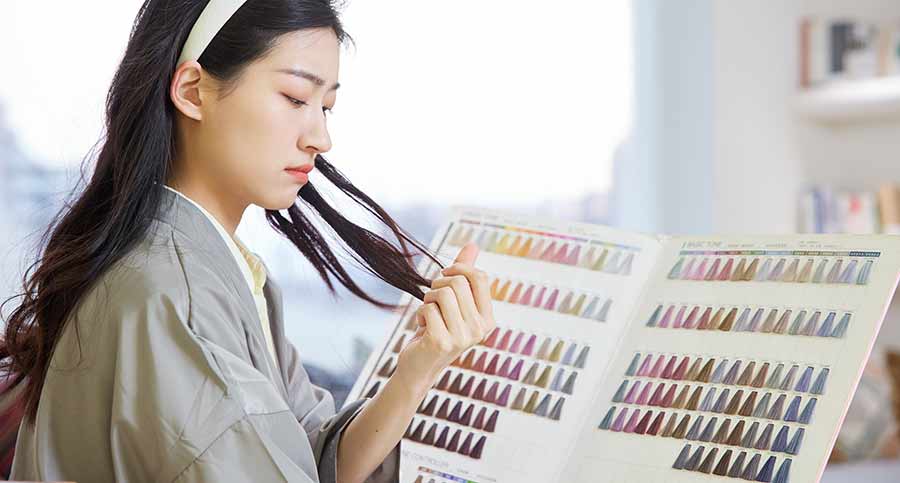
In terms of stability, glyceryl monothioglycolate is not easily decomposed in acidic systems and can maintain its reducing activity for a long time. This feature makes it suitable for synergistic action with pigment molecules, buffers and other components in hair dyes to form stable hair care product formulas. Meanwhile, its glyceride structure can also form a protective film on the surface of the hair, reducing the damage to the internal keratin structure of the hair caused by subsequent chemical treatments, providing a friendly treatment solution for dyeing damaged hair or fine and soft hair.
II. The core role in hair dyeing: Open up “channels” and enhance the durability of colors
The essence of the hair dyeing process is the penetration and fixation of pigment molecules within the hair. However, the natural barriers of the hair – the cuticles and keratin structures – directly prevent the entry of pigment molecules. The core function of glyceryl monomercaptoacetate is to break this barrier through chemical reactions and “open up channels” for pigment molecules.
1. Break disulfide bonds and soften the structure of hair
The strength and elasticity of hair mainly depend on the disulfide bonds (-S-S-) between keratin molecules. The thiol group (-SH) in Glyceryl monothioglycolate can react with disulfide bonds, reducing them to two thiol groups (-SH + -S-S- → -S-S- + -SH), thereby severing the connection between keratin. This process makes the structure of the hair soft and fluffy, the cuticles gradually open up, and the originally tight internal space of the hair is released, creating conditions for the penetration of pigment molecules in the hair dye.
Compared with the mercaptoacetic acid used in alkaline hair perming agents, the weakly acidic environment of glyceryl monothioglycolate can precisely control the degree of disulfide bond breakage, avoiding excessive damage that leads to brittle and easily broken hair. Experimental data show that under the same processing time, when using the pretreatment agent containing this component, the breaking rate of disulfide bonds in hair can be controlled at 30%-40%, which can not only meet the pigment penetration requirements but also retain more than 70% of the mechanical strength of hair.
2. Optimize pigment fixation to extend the validity period of hair dyeing
When the cuticles open and the hair structure softens, the pigment molecules in the hair dye (such as the intermediates of oxidized dyes and the small molecule pigments of direct dyes) can enter the hair cortex layer more smoothly. The weakly acidic environment of glyceryl monothioglycolate can also regulate the internal charge state of hair – hair will carry a positive charge under acidic conditions, forming electrostatic attraction with negatively charged pigment molecules, helping pigment molecules adhere more firmly to keratin and reducing pigment loss during the washing process.
In practical applications, the durability of hair dyeing effects can be increased by 20% to 30% after treatment with a pretreatment agent containing glyceryl monothioglycolate. For instance, the color fading period of ordinary hair dyes on fine and soft hair is approximately 4 to 6 weeks. However, after being treated with this ingredient, the color fading period can be extended to 6 to 8 weeks, and the color saturation becomes more uniform, avoiding problems such as fading at the hair tips and excessive differences in new color at the hair roots.
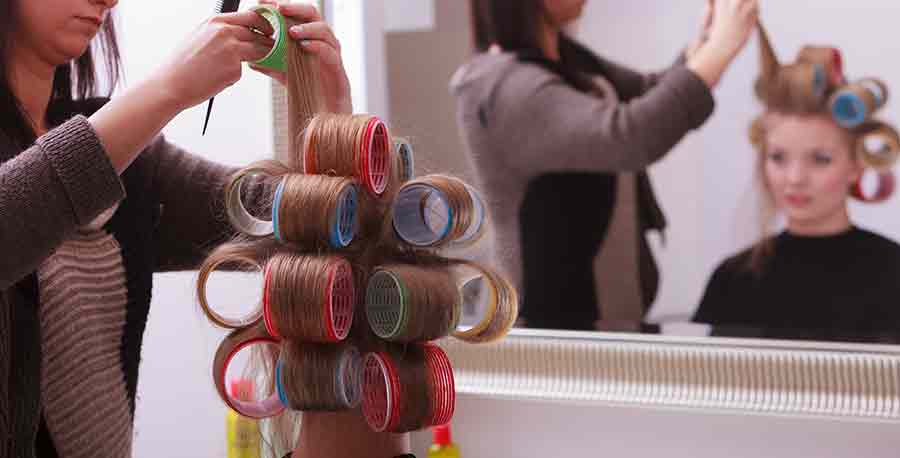
III. Practical Application Scenarios: Mostly concentrated in the “coordinated ironing and dyeing” process
Although glyceryl monothioglycolate can assist in hair dyeing, it is not directly added to hair dyes but is more often found in perming agents (especially acidic perming products) or hair pretreatment agents, forming a “synergistic” combination with the hair dyeing process. Common application scenarios mainly include the following two categories:
1. A “perm first, then dye” protection plan for damaged hair
For damaged hair caused by frequent perming and dyeing, the traditional process of “perming first and then dyeing” is prone to cause the hair to lose its elasticity completely due to double chemical damage. At this point, an acidic hair perming agent containing glyceryl monothioglycolate becomes crucial: its weakly acidic environment can reduce the damage to the cuticles during the perming process, while gently breaking disulfide bonds, allowing the hair to form a curly style while maintaining a certain degree of toughness. When dyeing hair later, the opened cuticles allow pigment molecules to penetrate quickly, eliminating the need for additional high-alkaline hair dyes and thus reducing the risk of double damage.
2. “Color Enhancement” pretreatment for fine and soft hair
The keratin density of fine and soft hair is relatively low, and the structure of the cuticles is thin. When directly dyed, pigment molecules tend to adhere to the surface and are difficult to penetrate the cortex layer, resulting in light color display and easy color fading. At this point, you can first apply a pretreatment agent containing glyceryl monothioglycolate to your hair: its reducing effect can slightly break the disulfide bonds in fine and soft hair, making the hair structure more “loose”, and at the same time, the protective film formed by the glyceryl ester groups on the hair surface can prevent excessive loss of pigment molecules. After pretreatment before hair dyeing, the pigment molecules can be more evenly distributed in the cortex layer, resulting in a fuller color display effect, and it can also reduce the irritation of ammonia, hydrogen peroxide and other components in the hair dye to fine and soft hair.
IV. Precautions for Use: Allergenicity and formula synergy are key
Although glyceryl monothioglycolate has significant advantages in hair dyeing assistance, due to its chemical properties, safety and formula rationality must be strictly monitored during use to avoid potential risks.
1. Potential allergenicity: Skin tests must be conducted
Glyceryl monothioglycolate belongs to the thiol class of compounds and is one of the common allergens in hair care products. Whether it is long-term exposure by hair care practitioners (such as repeated contact of hand skin with the product) or consumers using perming/dyeing products containing this ingredient, it may cause contact dermatitis – the symptoms are manifested as redness, itching, and a burning sensation on the scalp. In severe cases, blisters, peeling may occur, and even spread to the contact areas such as the face and neck.
Glyceryl monothioglycolate is even more important to note that this component may remain in the hair after perming or dyeing for up to three months. Even if there is no obvious discomfort during the first use, the residual ingredients may continue to come into contact with the scalp during subsequent shampooing and combing processes, causing delayed allergic reactions. Therefore, all hair care products containing this ingredient must undergo a 48-hour skin test behind the ear or on the inner side of the arm before use. Only after confirming that there are no reactions such as redness, swelling, or itching can they be used on the scalp.
2. Formula dependence: Cannot be used alone
The effect of Glyceryl monothioglycolate is highly dependent on formula synergy and cannot be used alone for hair care. On the one hand, it needs to be combined with buffers (such as citric acid and sodium dihydrogen phosphate) to maintain a stable weakly acidic environment. If the formula lacks buffers, its pH value may increase with storage time, not only losing its mildness but also possibly leading to a decrease in reducing activity. On the other hand, it needs to be combined with chelating agents (such as disodium EDTA) to prevent calcium and magnesium ions in water from reacting with the components and affecting stability.
In addition, this ingredient has incompatibility contraindications with highly alkaline products, such as hair dyes with an ammonia content exceeding 3%. If it is directly mixed with highly alkaline hair dyes, the weakly acidic environment will be disrupted. Not only will it fail to assist in color development, but it may also produce irritating gases, aggravating hair damage and scalp irritation. Therefore, hair perming agents or pretreatment agents containing this component should be used alternately with hair dyes (it is generally recommended to dye hair 24 to 48 hours after perming), and direct contact should be avoided.
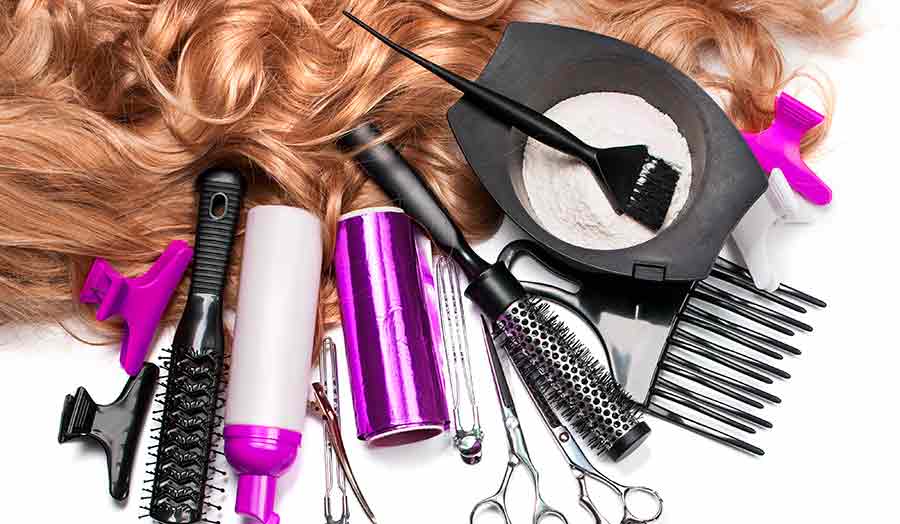
3. Residue treatment: Thorough cleaning is required after ironing and dyeing
As glyceryl monothioglycolate may remain in the hair for a long time, after the perming and dyeing process is completed, it is necessary to thoroughly clean the hair with a neutral shampoo to remove the residual components. When cleaning, it is recommended to use warm water (around 37℃) to avoid irritating the scalp with overly hot water. At the same time, you can use a conditioner containing panthenol and ceramide to repair damaged cuticles and reduce the continuous impact of residual components on the hair.
V. Conclusion: The “Irreplaceability” of Supporting Roles
Although glyceryl monothioglycolate CAS 30618-84-9 is not the core component for hair dyeing and coloring, it has become a key “gentle auxiliary” in the hair dyeing process due to its weakly acidic reducing property. Glyceryl monothioglycolate provides a safer and more effective solution for perming and dyeing damaged hair and fine and soft hair by opening the cuticles and optimizing pigment fixation. At the same time, it also lays the foundation for improving the durability and color display effect of hair dyeing.
However, its potential allergenicity and formula dependence also remind us that the use of hair care products should take into account both effectiveness and safety. Whether consumers or hairdressers, they should fully understand the characteristics of the ingredients and strictly follow the usage norms such as skin testing, formula coordination, and thorough cleaning, so that this “auxiliary ingredient” can play its role while minimizing health risks to the greatest extent. In the future, with the development of hairdressing chemistry technology, the formula of glyceryl monothioglycolate may be further optimized. For instance, by blending it with plant extracts (such as green tea extract and chamomile extract), its auxiliary effects can be retained while further reducing allergenicity, providing a safer and milder solution for the hair dyeing field.
Post time: Dec-18-2025