

In traditional jams and jellies, high-methoxyl (HM) pectin forms a gel when soluble solids are high enough and the pH is sufficiently low. Low-methoxyl (LM) pectin can gel through calcium at lower soluble solids. For fruit fillings, the choice also depends on when the gel needs to set and how it will behave during later heating.
Commercial pectin (CAS 9000-69-5) is commonly extracted from citrus material or apples. Some grades are standardized with sugars or contain salts to adjust setting behavior. The Food Chemicals Codex pectin monograph describes these forms and their composition.
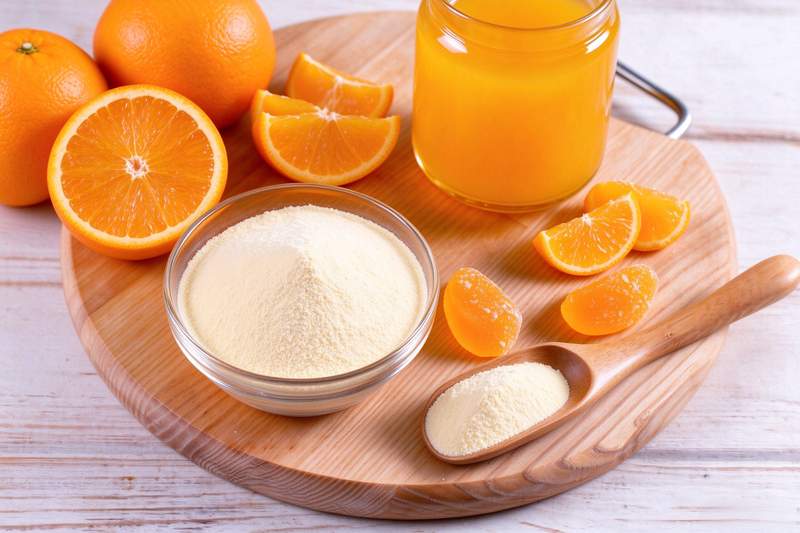
HM Pectin for Traditional Jams and Jellies
HM pectin has a degree of methyl esterification of about 50% or higher. The grade must suit the finished soluble solids and pH. Rapid-set grades can help suspend fruit pieces as the product cools. Slower-set grades allow more time for transfer and filling before the gel forms. In a hot-fill process, the setting temperature should sit below the filling temperature so the gel develops in the container. Cargill’s fruit applications guide.
LM and Amidated LM Pectin for Reduced-Sugar Spreads
LM pectin has a degree of methyl esterification below 50%. Calcium can link pectin chains and create a gel at soluble solids levels below those typically used with HM pectin. The available calcium includes calcium already present in fruit, water and other ingredients. Too much available calcium for the grade can cause premature setting or a brittle texture.
Amidated LM pectin is one option for reduced-sugar spreads where the formulation has limited available calcium. Calcium reactivity varies by grade, so check the intended pH, soluble solids and calcium window together. The Cargill pectin grade guide distinguishes conventional and amidated LM grades and lists setting temperature and calcium reactivity among the selection criteria.
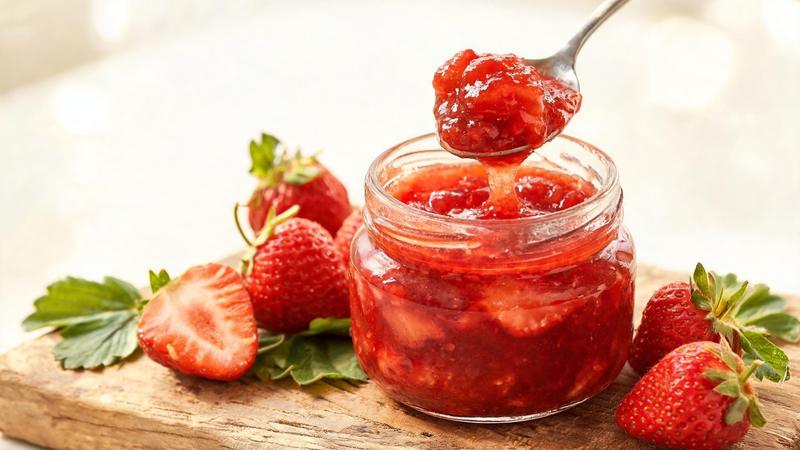
Pectin Selection for Fruit Fillings
For a fruit filling, decide whether the pectin must set during cooling, remain pumpable before depositing or hold its shape during baking. High-solids fillings can suit HM grades. Conventional LM grades are also used in some bake-stable fruit fillings. Compare grades at the finished soluble solids and pH, then assess whether the filling holds its shape and releases water after the intended heating and cooling cycle.
Where Modified Citrus Pectin Fits
Modified citrus pectin (MCP) describes citrus pectin that has been processed to alter properties such as molecular weight. LM identifies a pectin by its degree of methyl esterification. For an ingredient sold as MCP, its molecular-weight profile and functional specification determine whether it can meet the texture requirements of a jam or filling.
For grade selection, use the finished °Brix and pH, available calcium where relevant, and the target setting temperature. In a reduced-sugar product, also check the grade’s standardizing ingredients. Company information is available on the About Unilong page.
Post time: Nov-11-2026