

Glyceryl monolaurate (GML), also known as monolaurin or glyceryl laurate, is a non-ionic surfactant with antimicrobial activity that varies by organism and formulation. Its most consistent antibacterial results are against susceptible Gram-positive bacteria. This combination of surface activity and antimicrobial potential makes it relevant to food and personal-care formulation development.
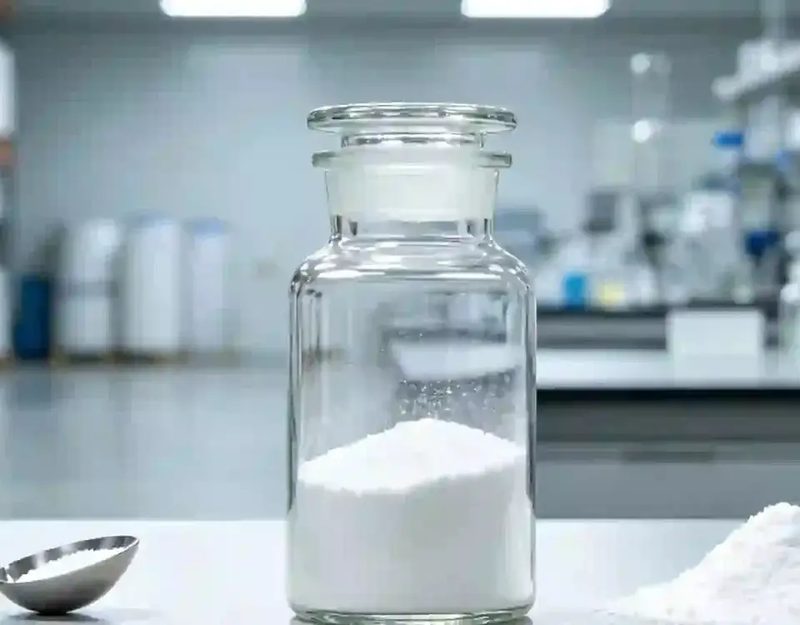
Glyceryl monolaurate (CAS 142-18-7) is the monoester of glycerol and lauric acid, a twelve-carbon fatty acid. Its molecular formula is C15H30O4, and its molecular weight is approximately 274.40 g/mol. Commercial material is typically white to pale yellow and may have a waxy or powder appearance. The glycerol portion and fatty-acid chain give the molecule an affinity for both polar and non-polar environments, although it has limited water solubility.
GML has also been reported as a component of human milk. [7]
How Does Glyceryl Monolaurate Fight Microorganisms?
1. Interaction With Microbial Membranes
GML interacts with microbial membranes, increasing permeability and compromising the barrier that helps cells maintain normal function. This membrane activity is an important part of its antibacterial mechanism. A laboratory study of Staphylococcus aureus persister cells found that monolaurin reduced survival alongside increased membrane permeability. Adding Tween 80 weakened both effects, supporting the involvement of membrane disruption. These results describe the tested laboratory system; they do not establish performance in every finished formulation. [1]
2. Effects on Toxin Production
GML can also affect bacterial behavior at concentrations below those required to inhibit growth. Research on staphylococci and streptococci reported reduced production of selected exotoxins, including toxins produced by S. aureus. Growth inhibition and toxin suppression are different endpoints: a reduction in one does not demonstrate complete microbial control. The response depends on the organism, concentration and test conditions. [2]
How Broad and How Strong Is Its Antimicrobial Spectrum?
Many Gram-positive bacteria, including tested staphylococci, streptococci and certain Bacillus species, are susceptible to GML. Selected Gram-negative organisms, such as Haemophilus influenzae, have also responded in laboratory tests. However, the outer membrane of organisms such as Escherichia coli and Salmonella can limit activity. A study of broth and biofilm cultures found that acidic conditions, EDTA or a suitable delivery vehicle could alter antibacterial performance. GML should therefore not be described as equally effective against all bacteria or independent of formulation pH. [3]
There is no single inhibition threshold that applies to every microorganism. For example, an early study reported growth inhibition of selected streptococcal isolates at 10–20 micrograms/mL, while tested S. aureus strains required higher concentrations. Such laboratory values are specific to the study and are not finished-product dosage recommendations. [2]
Antifungal results also depend on the delivery system. A food-grade microemulsion containing GML, potassium sorbate, ethanol and Tween 80 inhibited Aspergillus niger and Penicillium italicum in laboratory work. That finding concerns a combined system, rather than a universal effect of GML alone. [4] Dormant bacterial spores require separate assessment: published work has reported poor killing of highly purified spores by GML in a non-aqueous gel, so routine sporicidal performance should not be assumed. [5]
Where Is Glyceryl Monolaurate Used?
1. Food and Beverage Formulations
GML is of interest in food formulations because its emulsifying role can be combined with antimicrobial activity. Potential formulation areas include bakery products, dairy-style foods, sauces and meat preparations. In these systems, the relevant questions are emulsion behavior, texture and control of the organisms responsible for spoilage. Performance must be established in the actual food matrix, where fat, protein, processing and storage conditions can affect ingredient availability and microbial growth.
Research on GML-containing preservation systems supports evaluation alongside other preservation measures. It does not establish a standard addition rate for all foods. Any use must match the permitted ingredient identity, function and conditions in the destination market. Laboratory inhibition data alone cannot substantiate a shelf-life extension claim.

2. Cosmetics and Personal Care
In cosmetic ingredient terminology, glyceryl laurate has skin-conditioning and surfactant-emulsifying functions. It can be considered for creams, lotions and other personal-care formulations in which these properties are useful. The Cosmetic Ingredient Review assessment covers its cosmetic use within the practices and concentrations described in the report. [6]
GML may also be evaluated as one component of a preservation strategy. Its contribution depends on the complete formulation, including the oil phase, other surfactants, preservative ingredients and packaging. A paraben-free concept still needs effective preservation, while a sensitive-skin claim requires evidence from the finished product. Ingredient identity alone does not demonstrate broad antimicrobial protection, emulsion stability or skin tolerance.

Safety, Purity and Quality Standards
The suitability of glyceryl monolaurate begins with a defined composition and an appropriate specification for the intended application. Identity and assay, appearance, moisture, free acid and the relevant impurity limits provide a basis for comparing commercial material. Microbiological quality and elemental impurity requirements should be specified where relevant to the intended food or cosmetic use.
A batch Certificate of Analysis records the results for that batch; a technical specification defines the agreed limits, and the Safety Data Sheet supplies handling information. Food-use status and cosmetic ingredient assessment each have a defined scope. Neither should be presented as unrestricted approval for every antimicrobial application or market.
Unilong’s published monolaurin specification for CAS 142-18-7 lists an assay of at least 90% and moisture of no more than 2.0%, alongside a downloadable example COA. Current specifications, grade suitability and available batch documentation can be discussed for the intended application. Storage and handling should follow the applicable product documents, with packaging kept closed and protected from unsuitable moisture or heat.
Conclusion
Glyceryl monolaurate combines surface activity with a documented ability to affect susceptible microorganisms. Its membrane interactions and effects on selected bacterial toxins explain the interest in food and personal-care formulations. Its practical value depends on the target organism, composition and delivery system, supported by testing in the finished product.
For current glyceryl monolaurate specifications, sample enquiries and available quality documents, contact Unilong Industry Co., Ltd..
Post time: Nov-23-2026