

I. Ethyl Lauroyl Arginate HCl (LAE) CAS 60372-77-2?
Chemically designated as Ethyl-Nα-dodecanoyl-L-arginate hydrochloride (CAS Number: 60372-77-2) and listed as INS 243 in international food additive standards, LAE is a naturally derived cationic surfactant synthesized from L-arginine and lauric acid – two GRAS (Generally Recognized As Safe) ingredients with a long history of safe use in food and personal care products. Its molecular formula C20H41ClN4O3 and molecular weight of 421.02 give it unique antimicrobial properties, allowing it to effectively disrupt bacterial cell membranes and inhibit the growth of harmful pathogens such as Listeria monocytogenes, Salmonella and E. coli, without altering the taste, texture or nutritional value of food products.
II. How is Ethyl Lauroyl Arginate HCl (LAE) playing a key role in a variety of industries?
1. LAE in the Food Industry: A Safe, Regulatory-Compliant Preservative
In the food industry, LAE has gained widespread recognition as a safe and effective preservative, approved by major global regulatory bodies including the U.S. Food and Drug Administration (FDA), European Food Safety Authority (EFSA) and the World Health Organization (WHO). The WHO’s Joint FAO/WHO Expert Committee on Food Additives (JECFA) established an acceptable daily intake (ADI) of 0-4 mg/kg body weight, confirming its long-term safety based on comprehensive toxicological studies. LAE is widely used in meat products, beverages, baked goods and dairy products, effectively extending shelf life by inhibiting pathogenic microorganisms such as Listeria monocytogenes, Salmonella spp. and Escherichia coli, while preserving the original flavor, texture and nutritional value of food products – a key advantage over traditional preservatives that often alter organoleptic properties.
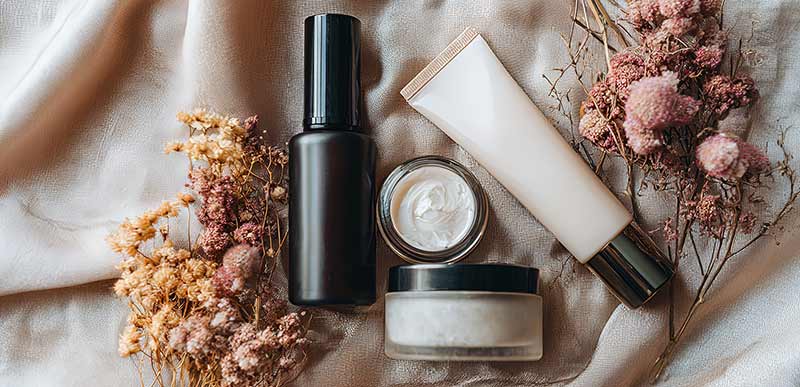
2. LAE in Cosmetics & Personal Care: Multifunctional and Skin-Friendly
The cosmetics and personal care industry is another major beneficiary of LAE’s versatile properties. As a multifunctional ingredient, LAE serves both as a preservative and an active antimicrobial agent, making it ideal for creams, lotions, body milks, shampoos, deodorants and oral care products. Unlike synthetic preservatives that may cause skin irritation or sensitization, LAE is non-irritating and non-sensitizing at recommended usage levels, making it suitable for sensitive skin and even baby care products. Its cationic nature also provides additional benefits, such as enhancing skin and hair smoothness, improving the skin’s natural defense against pathogens.
3. LAE in Oral Care: Effective Antibacterial Agent with Unique Advantages
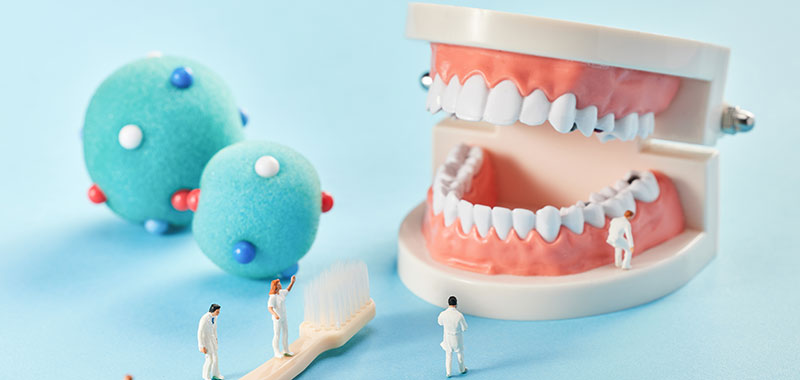
In oral care, LAE has proven to be a highly effective antibacterial agent, comparable to traditional ingredients like chlorhexidine digluconate but without the bitter taste or tooth discoloration drawbacks. It effectively inhibits plaque-forming bacteria and odor-causing microorganisms, making it a popular choice for toothpastes, mouthwashes and oral sprays. Regulatory authorities have approved its use in mouthwashes at concentrations up to 0.75% (excluding products for children under 10 years old), further confirming its safety for oral application.
III.LAE in the Food Industry: Regulatory Compliance, Practical Applications and Industry Value
1. Expert Perspective: LAE Meets Regulatory and Consumer Demands
“Regulatory compliance is non-negotiable for food manufacturers today, and LAE delivers on this front while also meeting consumer demand for natural ingredients,” said Sarah Johnson, a food safety expert at a leading global food research institute. “Unlike many synthetic preservatives that face growing scrutiny, LAE’s natural origin and proven safety make it a sustainable solution for extending shelf life without compromising on quality or consumer trust.”

2. Practical Applications: LAE’s Versatility Across Food Categories
In practical applications, LAE has proven to be highly versatile. In processed meats, it effectively inhibits the growth of spoilage bacteria and pathogens, extending shelf life by 30-50% while preserving the meat’s juiciness and flavor. In dairy products such as yogurt and cheese, it prevents mold growth and bacterial contamination, ensuring product safety without affecting the product’s creamy texture. For baked goods, LAE helps maintain freshness by inhibiting yeast and mold, reducing food waste and improving product profitability for manufacturers.
3. Industry Outlook: LAE as an Indispensable Tool for Food Manufacturers
As global food safety regulations continue to tighten and consumers increasingly seek transparent, natural ingredients, LAE is well-positioned to become an indispensable tool for food manufacturers. Its unique combination of regulatory compliance, natural origin and broad-spectrum efficacy makes it a game-changer in the food preservation industry, paving the way for safer, cleaner and more sustainable food products worldwide.
IV. LAE in Cosmetics & Personal Care: Driving Transformation in the Clean Beauty
1. Industry Shift: LAE Leads the Charge for Natural, Multifunctional Ingredients
The global cosmetics and personal care industry is undergoing a significant shift toward natural, safe and multifunctional ingredients, and Ethyl Lauroyl Arginate HCl (LAE) is at the forefront of this transformation. As a naturally derived ingredient with both antimicrobial and skin-friendly properties, LAE is redefining the role of preservatives in cosmetics, offering a green alternative to synthetic additives while delivering additional benefits for skin and hair health.
2. Expert Insight: LAE Meets Consumer Demand for Safe, Beneficial Ingredients
“Consumers today want more than just safe preservatives – they want ingredients that deliver real benefits for their skin and hair,” said Michael Chen, R&D director at a leading global cosmetics brand. “LAE checks all the boxes: it’s natural, safe, effective as a preservative and offers additional skincare benefits, making it a perfect fit for our clean beauty line. We’ve seen a significant reduction in product irritation complaints since incorporating LAE into our formulations.”
3. Practical Applications: LAE’s Versatility and Regulatory Compliance
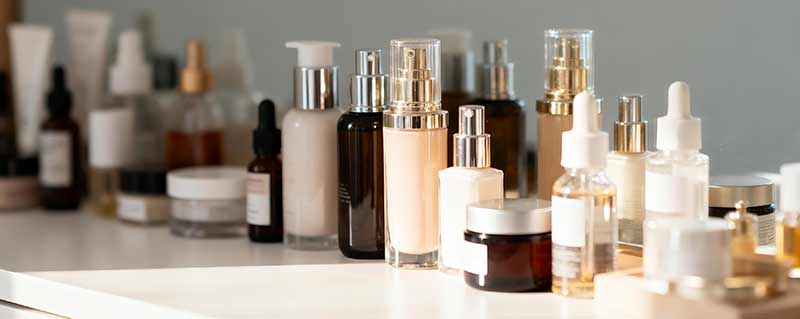
In cosmetics, LAE is widely used in creams, lotions, body milks, shampoos, deodorants and oral care products. In facial creams, it helps maintain product stability while soothing sensitive skin; in shampoos, it inhibits dandruff-causing bacteria and leaves hair feeling soft and smooth; in deodorants, it neutralizes odor-causing microorganisms without clogging pores. The National Medical Products Administration (NMPA) has set clear usage limits for LAE in cosmetics: up to 0.4% in most products, and up to 0.8% in soaps, anti-dandruff shampoos and non-spray deodorants.
4. Industry Outlook: LAE’s Expanding Role in Clean Beauty
With the global clean beauty market growing at a rapid pace, LAE’s multifunctional benefits and natural profile make it a valuable ingredient for cosmetics manufacturers looking to meet consumer demand and stay ahead of industry trends. As research continues to uncover new applications for LAE, its role in the cosmetics and personal care industry is set to expand, driving innovation and sustainability across the sector.
V. Conclusion:
As a naturally derived, safe antimicrobial agent synthesized from GRAS ingredients, Ethyl Lauroyl Arginate HCl (LAE) has gained global regulatory approval and plays a pivotal role in food, cosmetics, and oral care industries. With its regulatory compliance and multifunctionality, LAE is becoming indispensable for sustainable industry development—truly living up to its reputation as a transformative antimicrobial agent across key sectors.
Post time: Mar-20-2026