

Capsaicin is a major source of the heat in chili peppers. In food formulation, chili powder, pastes and capsicum oleoresins deliver that heat in different forms. The right form depends on the desired chili character, the way the ingredient distributes through the food and the heat consumers perceive in the finished product.
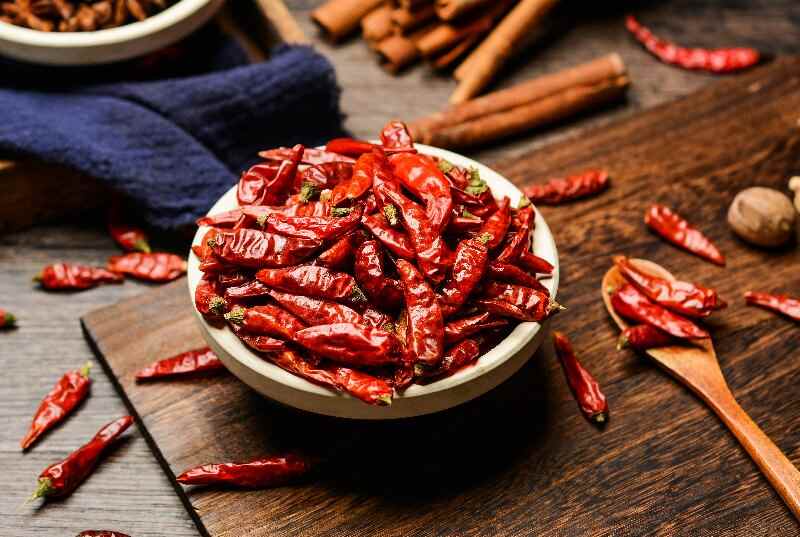
Flavoring with Chili Ingredients
Chili sauces, seasonings for instant noodles, snack coatings and marinades all use chili ingredients to build a particular heat profile. A sauce can use a chili paste for its color and texture, while a dry seasoning needs a chili ingredient that distributes evenly with the rest of the blend.
Capsicum oleoresin offers a concentrated extract format. Its pungency, color and carrier depend on the commercial grade. The FAO/WHO JECFA entry for paprika oleoresin identifies capsaicin as its major flavoring principle.

Ingredient Forms and Dispersion
| Ingredient form | Formulation consideration |
|---|---|
| Chili powder or paste | Adds a recognizable chili flavor and may contribute color or visible particles. |
| Capsicum oleoresin | A concentrated extract used in formats that can distribute its oil phase evenly. |
| Dispersed or encapsulated preparation | The carrier and delivery form affect how the chili ingredient disperses and releases heat. |
Capsaicin has limited water solubility. An oil phase or a suitable emulsion can help distribute a chili extract through an aqueous formulation. A study of chilli oleoresin emulsions illustrates how the carrier and emulsion design influence release in the tested system. The performance of a commercial preparation depends on its composition and the finished food.
Pungency in the Finished Food
The same concentration of capsaicin can produce a different perception of heat in a broth and a thicker sauce. In a sensory study of model soups and sauces, both the carrier and capsaicin concentration influenced how pungency developed over time. The finished food and its serving conditions determine the relevant sensory comparison.
Preservation remains a separate question. A food’s shelf life depends on its validated formulation, processing and storage conditions. Any preservation claim requires evidence from the finished product.
Capsaicin and Nonivamide Have Different Identities
PubChem lists capsaicin as CAS 404-86-4 and nonivamide as CAS 2444-46-4. Both are capsaicinoids with different molecular structures. The product page for Nonivamide (CAS 2444-46-4) lists the available product forms and specifications for that separate material.
Food use depends on the ingredient identity, commercial grade and target market. In the European Union, Article 6 and Annex III of Regulation (EC) No 1334/2008 prohibit the addition of capsaicin as such to food. Chili ingredients and flavouring preparations are assessed under the requirements that apply to their specific composition and use.
Learn more about Unilong and its supply support.
Post time: Nov-10-2026