

Anthraquinone (CAS 84-65-1) is a starting material for manufacturing anthraquinone-based colorants and their intermediates. The selected synthesis route determines which raw material characteristics matter most. Assay, moisture and ash are useful grade checks, and specific impurity limits can be relevant when a route is sensitive to minor components.
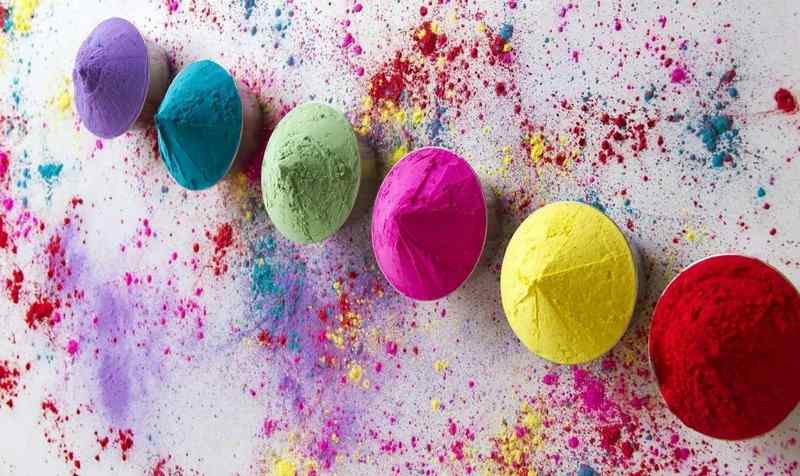
From Anthraquinone to Dye Intermediates
Industrial dye manufacturers use the anthraquinone structure as a starting point for making substituted intermediates and colorants. Vat dyes are one established outlet. The particular downstream structure determines the shade and application properties of the finished colorant. The incoming anthraquinone powder is assessed by its chemical specification. IARC monograph on anthraquinone.
Feedstock consistency matters when a plant runs the same synthesis across multiple batches. Incoming lots can share a minimum assay while differing in the profile of their minor constituents. For routes with tighter purification or shade requirements, the relevant impurity profile and the agreed test method help define the grade.
Industrial Powder Grade and Lot Consistency
Unilong lists a pale yellow to light-grey industrial powder with a minimum purity of 98.5%. The listed grade has a minimum melting point of 283 °C and separate maximum limits of 0.5% for moisture and 0.5% for ash. A 99% minimum is a separate grade requirement that calls for its own batch specification.
Assay records the main component content on the specified test basis. Moisture and ash are tracked separately. Moisture affects the mass of dry solids charged to a process, while ash characterizes residue after the specified ignition test. Keeping these values separate helps the receiving team compare lots against the same release criteria.
Other Industrial Uses
Anthraquinone also has a documented role in selected soda and kraft pulping systems. Trials have reported faster delignification and possible yield gains under particular cooking conditions. Wood furnish and mill conditions affect the result. The intended paper grade and end-use requirements govern whether this route is suitable. USDA Forest Products Laboratory review of AQ pulping.
In hydrogen peroxide manufacture, commercial autoxidation processes typically use specified alkylated anthraquinones in the working solution. The carrier is selected by its own chemical identity and process specification. Evonik technical overview of the process.
Commercial Supply from Unilong
The industrial powder listing specifies 25 kg drums as the standard pack. For the grade details, see Anthraquinone CAS 84-65-1 industrial powder. For company information, see About Unilong.
Post time: Nov-10-2026