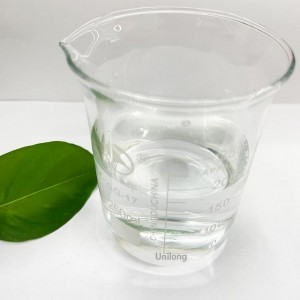

Citronella Oil CAS 8000-29-1


Citronella Oil for Commercial Fragrance Formulations
Citronella oil is obtained commercially by steam distillation of aromatic Cymbopogon grasses. The distillation feedstock consists of freshly cut or partially dried leaves and aerial plant material. This process yields a volatile essential oil for use in fragrance manufacturing. The oil contains a combination of volatile aromatic constituents, with the composition varying between botanical types. Its odor brings together citrus freshness, green grass and floral nuances. These combined notes make the whole oil relevant to fragrance compounds for manufactured goods, including personal care, household cleaning and home fragrance products.
The material is used as an aromatic ingredient within a formulated product. It also provides a source of individual perfumery chemicals, including citronellal, citronellol and geraniol. Direct use of the oil retains its combined scent character; separation into individual ingredients serves a different downstream manufacturing application. Unilong's product offering concerns citronella oil as the raw material, with commercial support for manufacturers and ingredient distributors.
Aroma Profile and Botanical Types
Java-type citronella oil comes from Cymbopogon winterianus. Its aroma is generally fresh and sweet, with citrus and grassy notes and a softer floral character. During dry-down, the profile can develop a somewhat woody character. The Java oil profile also includes geranyl acetate and limonene, alongside sesquiterpene constituents. The latter are associated with the softer woody impression that can appear as the more volatile notes recede.
Ceylon or Sri Lankan type comes from Cymbopogon nardus and has a different odor balance, including more noticeable camphoraceous notes. This gives Ceylon-type oils a different fragrance character from Java-type oils, especially in compositions where camphoraceous notes would be noticeable. Type-specific differences are particularly relevant to established fragrance formulas and to feedstock applications based on individual constituents.
Technical Characteristics and Selected Batch Data
| Characteristic | Product information |
|---|---|
| Odor | Characteristic fresh, grassy, citrus-like aroma |
| Oil compatibility | Oil-soluble aromatic material |
| Water compatibility | Not directly water-soluble |
| Main aromatic constituents | Citronellal, geraniol and citronellol; proportions vary by type |
The following historical results are recorded for batch JL20250728, with a manufacture and analysis date of 28 June 2025. They describe that batch, rather than guaranteed values for subsequent deliveries.
| Test item | Recorded result for batch JL20250728 |
|---|---|
| Appearance | Yellow or brown-yellow liquid; conforms |
| Citronellal content | 34.95% |
| Refractive index at 20°C | 1.4693 |
Request Product Specifications and Batch Documents
Applications
Fragrance Compounds and Perfumery
Citronella oil contributes a citrus and green accent to fragrance concentrates, with floral nuances within the aromatic profile. It is used in compounds for soaps, cosmetics and other scented manufactured goods. The fresh character forms part of the fragrance composition, together with the other selected aromatic ingredients. In this application, the whole oil is incorporated for its combined odor character, with the botanical type influencing the balance of citrus, grassy and camphoraceous impressions.
Soaps, Shampoos and Personal Cleansers
In bar soaps, liquid soaps, shampoos and cleansers, citronella oil is used for fragrance. Its lemon-like grass note suits herbal and botanical scent directions in rinse-off personal care products. Liquid formats place the aromatic oil within a surfactant or other suitable carrier system, while bar soap incorporates it within a solid product base. Oil distribution and clarity matter in transparent liquid products; scent expression in a solid bar involves a different formulation format.
Detergents and Household Products
Citronella oil supplies fragrance character in detergents and household cleaning products. Its recognizable citrus-grass note gives the fragrance a botanical direction that differs from a simple citrus peel impression. Suitable applications include scented washing and cleaning formulations where the oil is incorporated as part of the fragrance system. In water-rich products, the aromatic material needs an appropriate solubilizing or emulsifying system; the base formulation determines the resulting appearance and oil distribution.
Candles, Incense and Home Fragrance
Citronella oil is used in candle making and in the perfumery ingredients associated with incense and other home fragrance products. Its characteristic scent provides a botanical citrus direction for the fragrance composition. A candle carries the aromatic ingredients within wax, while incense uses a different carrier and manufacturing process. Fragrance release depends on the finished product format, so raw-oil aroma and the scent expressed during use are distinct aspects of these applications.
Aroma Chemical Feedstock
Citronella oil serves as a source of citronellal, citronellol and geraniol for perfumery ingredient production. These components are used individually in fragrance manufacturing after separation and further processing. For this application, the constituent profile of the oil is part of its suitability for the downstream process. Botanical type and composition distinguish feedstocks for individual aroma chemicals from oils purchased primarily for their whole-oil fragrance character.
Solubility and Formulation Fit
Citronella oil is compatible with appropriate oil and ethanol-based fragrance carriers. It does not dissolve directly in water to form a clear fragrance solution. Water-based cleansers therefore use a solubilizing or emulsifying system to incorporate the aromatic oil. In emulsions, the oil can form part of the appropriate oil phase or fragrance system, according to the formulation and manufacturing process.
Hydroalcoholic products have a different carrier balance from oil-based fragrance concentrates. Their water content and fragrance loading affect the incorporation of the essential oil. Clear liquid products, emulsions and solid scented products consequently use different formulation approaches. Fragrance loading is specific to the intended formula and product category.
Packaging and Storage
Citronella oil is supplied in drums for commercial handling of the liquid material. The net fill and container specification are included in the order's packing arrangement. The containers remain tightly closed during storage, with the material kept in a cool, dry place protected from light. Keep the original container closed between transfers and protect the oil from contamination during dispensing.
Handling requires ventilation and protection against contact with the concentrated oil. Keep the material away from heat and ignition sources. The supplied product's SDS provides the applicable handling and transport information. Transport arrangements depend on material classification, shipment quantity and route. The container specification and handling arrangements also reflect those shipment requirements.
Why Choose Unilong for Citronella Oil Supply
Product and Batch Documents
We coordinate the available specification, TDS, SDS and applicable batch COA for the selected material. Production evaluation samples can be arranged ahead of commercial supply.
Factory Visits and Audit Coordination
We help arrange supplier questionnaires, manufacturing-site visits and buyer-appointed third-party audits. Access, scope and timing are agreed with the relevant manufacturer.
Inspection and Pre-Shipment Sample Approval
Third-party inspection can be coordinated by arrangement. Orders requiring pre-shipment sample approval are held for the buyer's approval under the agreed release conditions.
Packaging and Export Support
We coordinate shipping marks, packing lists and transport documents. Agreed packaging and loading photographs can form part of the shipment records.
Procurement FAQ
Can you arrange samples for production evaluation?
Yes. Sample quantity, packaging and terms are arranged for the selected material and evaluation requirement.
What are the MOQ and current lead time?
MOQ and delivery timing are confirmed for the current order, based on quantity, packing requirements and destination.
Can you work with an existing purchasing specification?
We accept existing specifications for supply assessment. Availability against individual limits and test methods depends on the material and supporting documents.
Ordering from Unilong
For a bulk citronella oil enquiry, include the required botanical type or specification, intended application, estimated quantity, destination country and preferred packing. Any additional test or document requirements can be included in the same enquiry.