
2,6-Dichlorobenzyl Chloride CAS 2014-83-7


2,6-Dichlorobenzyl Chloride for Industrial Synthesis
2,6-Dichlorobenzyl chloride is a chlorinated organic intermediate used in isoconazole synthesis and the preparation of 2,6-dichlorobenzyl alcohol. Other synthesis applications include specialty aromatic ethers and routes to 2,6-dichlorobenzonitrile. Unilong handles commercial enquiries from intermediate manufacturers and industrial chemical distributors.
Product Details
| Item | Details |
|---|---|
| Product name | 2,6-Dichlorobenzyl chloride |
| CAS number | 2014-83-7 |
| EC number | 217-940-4 |
| Other names | α,2,6-Trichlorotoluene; 1,3-dichloro-2-(chloromethyl)benzene |
| Molecular formula | C7H5Cl3 |
| Molecular weight | 195.47 g/mol |
| Physical state at 20°C | Solid |
| Reference melting range | 36–39°C |
| Water solubility | Insoluble |
Physical Characteristics
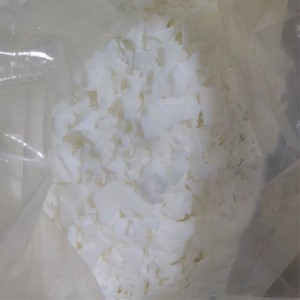
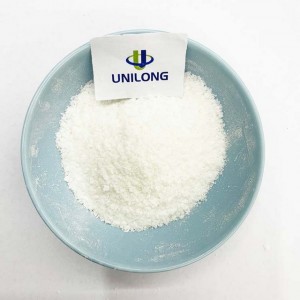
At 20°C, the material is a crystalline solid, typically white to off-white. Its low melting range allows the appearance to change from crystals or lumps to a clear liquid as the temperature rises. Material close to the melting range can contain both solid and liquid phases.
The product is insoluble in water and sensitive to moisture. These properties are relevant to storage, container opening and transfer into the production process. Dry, closed handling limits exposure to atmospheric moisture between receipt and use.
Synthesis Applications
Isoconazole Intermediate
2,6-Dichlorobenzyl chloride supplies the 2,6-dichlorobenzyl group in a synthesis route to isoconazole. It reacts with an imidazole-containing alcohol intermediate to form the required benzyl ether linkage. Ether formation precedes nitrate salt formation and final product purification in the corresponding route. This positions the material as an upstream chemical intermediate for isoconazole manufacture.
2,6-Dichlorobenzyl Alcohol
The product is a starting material for 2,6-dichlorobenzyl alcohol. One route converts it into 2,6-dichlorobenzyl acetate, followed by hydrolysis to the alcohol. The conversion changes the side-chain functionality while retaining the two aromatic chlorine substituents. This application supplies the alcohol intermediate for further fine chemical synthesis.
2,6-Dichlorobenzonitrile
2,6-Dichlorobenzyl chloride can serve as feedstock in catalytic ammoxidation routes to 2,6-dichlorobenzonitrile. The transformation converts the side chain into the nitrile group while retaining the aromatic substitution pattern. The nitrile is recovered through cooling, washing and solid separation in the corresponding process. This provides a feedstock route for chlorinated aromatic nitrile manufacture.
Specialty Aromatic Ethers
The material can introduce a 2,6-dichlorobenzyl group into substituted aromatic ethers. Reaction with a suitable phenolic substrate forms a 2,6-dichlorobenzyl ether linkage. Specific synthesis examples include imidazole-containing aromatic ethers in azole chemistry. Its role in these applications is as a chemical precursor for further manufacture.
Handling the Low-Melting Material
The low melting range affects drum emptying, weighing and reactor charging. Solid lumps require a different transfer arrangement from a molten phase, and material close to the melting range may remain only partly liquid. This physical behaviour is relevant to both drum handling and the receiving equipment.
Melt transfer follows the SDS for the supplied material and the plant's approved procedure. Heating conditions depend on the container and equipment as well as the material.
Storage and Container Protection
Keep the material tightly closed, dry and protected from moisture. Storage instructions, temperature limits and any inert-gas requirement follow the SDS for the supplied material. After opening, secure closure remains important because the intermediate is moisture-sensitive.
The substance has corrosive properties, making the product-contact container and closure system relevant to storage and shipment. Use the original compatible package and the handling precautions specified in the SDS. Any heating or transfer arrangement also needs to be compatible with the container.
Supply Assurance and Customer Support
Unilong supports industrial customers with factory-assessment coordination, independent shipment inspection and follow-up on supply concerns.
Factory Assessment Coordination
We assist with communication between your team and the relevant production site for a proposed factory assessment. Visits, assessment scope and access to records are arranged subject to the site's agreement.
Third-Party Pre-Shipment Inspection
Third-party inspection can be arranged on request before dispatch. The inspection scope is agreed for the material and shipment, covering the checks accepted by the appointed inspection provider.
Product and Batch Documentation
We coordinate product-information and batch-COA requests with the supplying party. Document availability and scope are established for the offered material, including any additional technical files needed for supplier qualification.
Quality and Quantity Issue Follow-Up
Our team assists with investigating reported quality or quantity discrepancies and communicating with the supplying party. Resolution follows the quality and commercial terms agreed for the order.
Ordering from Unilong
For an industrial supply enquiry, send the required specification, commercial quantity and destination. Packing, MOQ, availability and dispatch lead time are stated in the quotation.
Procurement FAQ
What is the MOQ for industrial supply?
MOQ depends on the offered specification and commercial packing and is stated in the current quotation.
Can the material form lumps during transport?
Yes. This low-melting material can form crystalline lumps. Warmer conditions may produce a partly molten or liquid phase.
How long does dispatch take?
Dispatch lead time is stated in the quotation for the order quantity and shipping arrangement.
Does Unilong accept laboratory orders for this product?
No. This product enquiry is for industrial production and commercial chemical distribution. Laboratory projects and laboratory orders are outside our supply scope.
Contact Unilong
Contact Unilong for commercial supply of 2,6-dichlorobenzyl chloride, CAS 2014-83-7.
Email: sales@unilongindustry.com